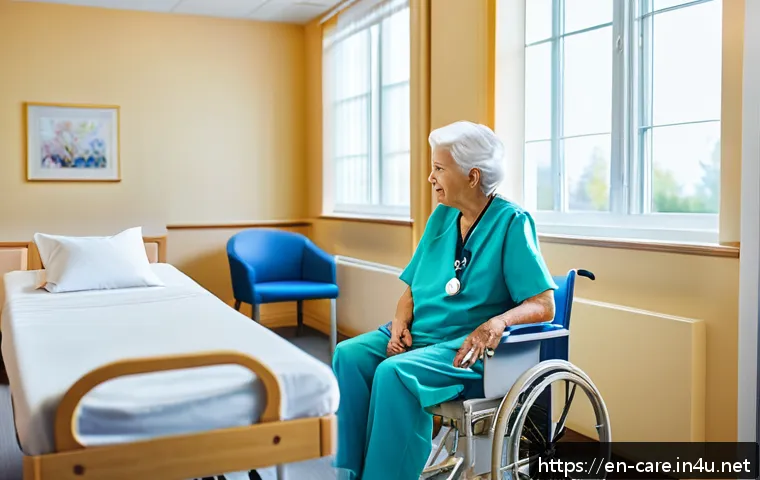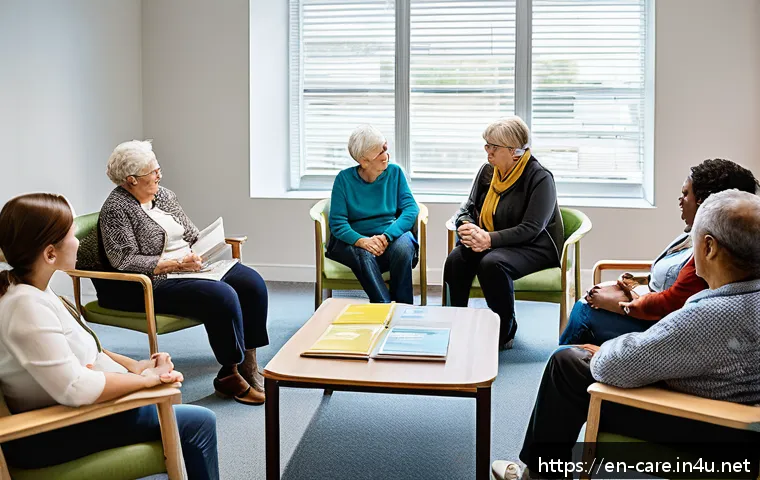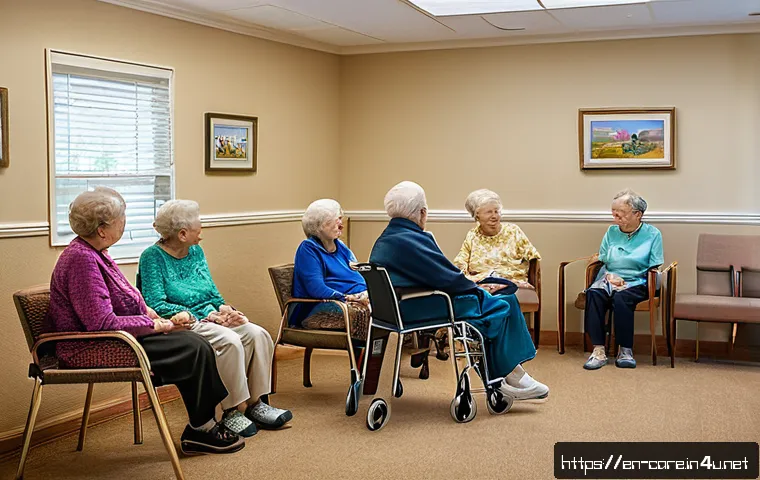
Nursing homes generally should support a resident’s right to receive visitors, but the practical rules can change based on resident preferences, safety needs, and current health conditions.

Before traveling, confirm the facility’s current check-in process, health precautions, and whether your relative wants or is able to visit. A clear visitation policy is also a useful care-quality comparison point when families are evaluating long-term care options.
It shows how a facility balances family involvement, privacy, infection control, and daily clinical routines. Families should also understand that access to medical updates is different from access to the resident.
The resident’s consent or legal authority may be needed before staff can discuss private health information.
At a Glance
- Rules vary by facility and by day: confirm current procedures before leaving home.
- Resident preference matters: privacy, consent, comfort, and care needs may affect a visit.
- Safety steps may apply: sign-in, identification, symptom screening, hand hygiene, or masking may be required.
| Family Access Policy to Ask About | Why It Matters | What a Clear Answer Sounds Like |
|---|---|---|
| Visiting hours and flexible access | Helps families plan regular contact and respond to changing needs. | “Here are our usual hours, and here is how we handle after-hours or urgent visits.” |
| Screening and infection precautions | Shows how the facility protects residents while keeping families informed. | “We will tell you what screening, masking, or hand hygiene is needed before you arrive.” |
| Family communication process | Regular communication can support care oversight and care planning. | “This is how authorized family members can request updates or join care conferences.” |
| Special visit arrangements | Children, pets, larger groups, virtual visits, and overnight stays may need planning. | “These visit types are available under these conditions, and this is who you contact.” |
What Families Can Usually Expect When Visiting a Nursing Home
Most families can expect a facility to support meaningful contact between residents and visitors while using reasonable procedures to protect privacy, safety, and daily care routines. The important point is that visitation is not only about getting through the front door. A good visit also depends on the resident’s wishes, current condition, energy level, and comfort.
Resident Choice, Privacy, and the Right to Receive Visitors
Residents generally have rights to receive visitors, but resident choice remains central. A relative may want a visit at one time and prefer quiet or rest at another. The resident may also ask for a private visit, decline a visitor, or limit who is present.
Privacy matters as well. If the resident shares a room, visitors should be mindful of the roommate’s space, conversations, and rest. A facility may suggest another area for a longer or more private conversation.
Why Each Facility May Have Different Practical Procedures
Facilities can use different procedures for visitor identification, sign-in, check-in screening, and infection-control practices. These are practical operating rules, not necessarily signs that a facility is unfriendly to families. What matters is whether the process is understandable, applied consistently, and explained respectfully.
Temporary precautions may be needed during an outbreak of respiratory or gastrointestinal illness. In those situations, ask what has changed, whether the change is temporary, and what options are available for staying in contact.
The Three Details to Confirm Before Leaving Home
First, confirm the current visiting procedure, including any screening or sign-in requirement. Second, ask whether there are special precautions because of illness activity, a resident care need, or a change in routine. Third, check whether your loved one is expecting the visit and whether a particular time is likely to be comfortable.
Compare Visitation Policies Before Choosing a Care Facility
When comparing nursing homes, family access should be considered alongside care services, communication practices, and long-term care planning. A policy does not need to be identical at every facility. It should, however, give families a practical way to remain involved without disrupting resident care or safety procedures.
Visiting Hours, Flexible Access, and After-Hours Arrangements
Ask about usual visiting hours, but do not stop there. Ask how the facility handles after-hours arrangements, urgent family circumstances, and visits that may require additional coordination. Exact access rules can vary, so request the current policy rather than relying on a general impression from a tour.
Health Screening, Outbreak Precautions, and Infection-Control Expectations
Ask how visitors are notified when infection precautions change. A clear facility answer should explain whether visitors may need to follow hand hygiene, masking, vaccination, or symptom-screening requirements when clinically appropriate. It should also explain what a family should do if they are not feeling well before a planned visit.
Family Communication, Care Conferences, and Authorized Medical Updates
Visiting a relative does not automatically mean you are authorized to receive private health information. Ask how the resident can authorize disclosure, or whether you have legal authority to participate in care decisions. Also ask how authorized family members can request updates or participate in care-planning discussions.
For families comparing long-term care providers, a reliable communication process can be as important as the posted visitation hours. The useful question is: “Who should we contact, and how does the facility handle a care concern or a request for a family meeting?”
Questions to Ask During a Facility Tour or Admissions Call
- What are the current visitor check-in and identification procedures?
- How are families told about temporary infection precautions?
- Can the resident choose who visits and when?
- How are authorized family members included in care conferences?
- What are the rules for children, pets, meal sharing, virtual visits, or larger groups?
- Who can explain a policy if a family member is unsure about it?
How to Prepare for a Smooth, Respectful Visit
A little preparation can prevent a disappointing arrival or an avoidable delay. It also helps staff focus on resident care rather than resolving basic check-in issues during a busy part of the day.
Check Current Rules on the Day of the Visit
Policies may change because of a temporary outbreak, the resident’s condition, or operational needs. Call or review the facility’s current visitor guidance before travel, especially if you are traveling a long distance or bringing other relatives.
Bring Identification and Follow Sign-In Procedures
Bring identification if the facility requires it. Follow sign-in, screening, and hand hygiene procedures carefully. These steps may feel routine, but they help the facility know who is present and support infection-control efforts.
Respect Roommate Privacy, Quiet Hours, and Staff Workflows
Try to avoid interrupting personal care, therapy, meals, or rest when possible. If staff need to assist the resident during your visit, ask whether you should step out briefly or move to another space. Respecting these moments supports both dignity and a calmer visit.
Know When to Postpone a Visit for Illness Symptoms
If you have symptoms of an illness, contact the facility before arriving. The facility may have a safer option or may ask you to postpone. This is especially important when residents may have increased care needs or when infection precautions are already in place.
Common Problems Families Encounter and How to Handle Them
Not every difficult visit means a facility has a poor policy. Still, families should feel comfortable asking for a plain explanation when a rule is unclear or when the experience does not match what was previously communicated.

You Arrive and Are Told Visitation Has Changed
Ask what changed, why it changed, and whether the precaution is temporary. Then ask what contact options are available. A calm request for current guidance is usually more useful than relying on an older schedule or a previous conversation.
The Resident Does Not Want Visitors or Becomes Tired Quickly
Respect the resident’s preference. A shorter visit, a different time of day, or a quieter format may work better. For residents with changing cognitive or medical needs, a planned visit may be more comfortable than an unannounced one.
You Need Care Information but Are Not Authorized to Receive It
Ask what authorization is needed for staff to discuss private health information with you. If the resident is able and willing, they may be able to clarify their preferences. If someone has legal authority for care decisions, the facility can explain the appropriate communication process.
A Policy Seems Unclear, Inconsistent, or Difficult to Understand
Start by asking the staff member in charge of visitor procedures for clarification. State the specific concern: for example, uncertainty about screening, scheduling, or how a temporary limit applies. If needed, ask who can explain the facility’s policy in more detail. Focus on getting a clear, current answer rather than making assumptions.
Special Situations That May Need Extra Planning
Some visits involve more than a standard family drop-in. Planning ahead can help the facility protect safety and privacy while making the visit more meaningful.
Visits for Residents With Dementia or Cognitive Changes
A resident with cognitive impairment or behavioral symptoms may need a quieter setting, a shorter visit, or staff guidance. Ask what time of day is usually most comfortable and whether supervision or scheduling is recommended for the resident’s care needs.
Children, Pets, Holidays, and Larger Family Groups
Rules for children, pets, holiday gatherings, meal sharing, and larger groups vary by facility. Do not assume these visits are permitted under normal visitor rules. Ask in advance about supervision, scheduling, location, and any health-related expectations.
Virtual Visits for Relatives Who Live Far Away
Virtual visits may be an option, but availability and support can differ. Ask whether the facility offers assistance with scheduling or connecting the resident, especially if the resident needs help using communication technology.
End-of-Life Visits and Urgent Family Circumstances
Urgent circumstances may require extra coordination. Contact the facility directly and explain the situation. Ask who can help arrange an appropriate visit while considering the resident’s care needs, privacy, and any active safety precautions.
Choosing a Facility: Family Access and Communication Checklist
Before choosing a nursing home or reviewing long-term care planning options, compare these practical points:
- Clear access rules: The facility can explain normal visits and temporary changes in plain language.
- Resident-centered choices: The policy recognizes consent, privacy, comfort, and care needs.
- Consistent infection precautions: Families know what may be required and how updates are communicated.
- Communication support: Authorized relatives know how to request medical updates or care conferences.
- Flexible planning: The facility can explain procedures for virtual, urgent, or specially arranged visits.
When comparing care facilities or private-pay long-term care planning services, look for the official policy details and current family communication process on the relevant provider page.
Final Thoughts
Family visitation is part of staying connected, noticing changes, and supporting a loved one’s quality of life. The best approach is simple: confirm the current rules, respect the resident’s preferences, and ask clear questions when something is uncertain. A nursing home’s approach to family access can also reveal how it handles communication, safety, and resident dignity. Policies may change, but families should be able to understand how and why.
Useful Information to Keep in Mind
Bring identification if required, and expect a sign-in process. Call before traveling when there may be illness precautions or special circumstances. Separate visitation from health-information access: staff may need resident authorization or legal authority before discussing private care details. Ask about alternatives if an in-person visit needs to be postponed.
Important Notes
Exact visiting hours, visitor limits, outbreak precautions, and special-visit options are facility-specific and can change. This information is general guidance, not a substitute for the nursing home’s current policy or an explanation of a resident’s individual care arrangements. Confirm the latest requirements directly with the facility before visiting.
Frequently Asked Questions
Q1. Can a nursing home stop family members from visiting?
A1. Nursing homes generally must support residents’ rights to receive visitors, subject to reasonable safety and operational requirements. Temporary precautions may apply during illness outbreaks or when a resident’s care needs require special planning. The resident’s own preferences and consent can also affect a visit.
Q2. What should I ask about visitation rules before choosing a nursing home?
A2. Ask about usual visiting hours, after-hours arrangements, sign-in and screening procedures, infection-control expectations, communication during outbreaks, and policies for children, pets, virtual visits, and larger groups. Also ask how authorized family members can join care-planning discussions.
Q3. Can staff give me updates about my relative’s health during a visit?
A3. Not necessarily. Visitors should not receive private health information unless the resident has authorized disclosure or the visitor has legal authority to participate in care decisions. Ask the facility what authorization is needed for medical updates.
Q4. Is it safe to visit a nursing home during a flu or respiratory illness outbreak?
A4. Infection outbreaks can lead to temporary precautions or limits. Contact the facility before visiting and follow its current guidance on symptoms, hand hygiene, masking, screening, or other clinically appropriate measures. If you feel unwell, ask whether the visit should be postponed or handled another way.