With healthcare constantly evolving, rehabilitation programs in skilled nursing facilities are gaining attention for their remarkable role in recovery.
As more people seek effective post-hospital care, understanding these specialized programs becomes essential. From personalized therapy to expert medical support, skilled nursing facilities offer unique advantages that can significantly boost healing.
If you or a loved one is navigating recovery, exploring these options could be a game-changer. Let’s dive into how these programs unlock potential and set the stage for a stronger comeback.
Tailored Approaches to Accelerate Healing
Individualized Therapy Plans
Every recovery journey is unique, and skilled nursing facilities truly get that. Unlike generic rehab programs, these facilities craft personalized therapy plans based on thorough assessments.
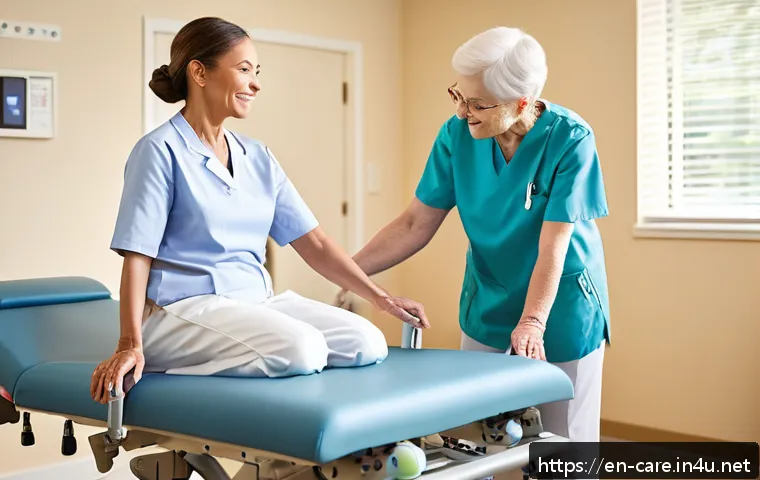
Physical therapists, occupational therapists, and speech therapists collaborate closely with patients, tailoring exercises and activities to target specific weaknesses or mobility issues.
From my experience visiting a relative in such a facility, I noticed how their daily routine adapted dynamically to their progress, which kept motivation high and prevented plateaus in recovery.
Multidisciplinary Team Support
One of the standout features is the seamless integration of multiple healthcare professionals. Nurses, therapists, dietitians, and physicians work hand-in-hand to monitor and adjust care in real time.
This multidisciplinary approach ensures that every aspect of the patient’s health—whether it’s wound care, nutrition, or mental health—is addressed concurrently.
The constant communication between team members means setbacks can be caught early, and treatment plans can pivot quickly, which is a huge advantage over traditional outpatient rehab.
Patient-Centered Goal Setting
Rather than just focusing on clinical milestones, skilled nursing rehab programs emphasize what truly matters to the patient. Goals are set collaboratively, factoring in personal preferences, home environment, and lifestyle aspirations.
For instance, a patient might prioritize walking independently to the kitchen or being able to participate in family activities. This personalized goal-setting process creates a strong sense of ownership and encourages patients to push through challenges because they see the direct relevance to their daily lives.
Advanced Technologies Enhancing Recovery Outcomes
Robotic-Assisted Therapy Devices
Many skilled nursing facilities now incorporate cutting-edge robotics to support rehabilitation. These devices help patients perform repetitive motion exercises with precision and consistency, reducing strain on therapists while maximizing patient effort.
For example, robotic exoskeletons assist patients relearning to walk, providing support and balance that build confidence gradually. From what I’ve observed, the blend of technology and hands-on therapy speeds up functional gains more than traditional methods alone.
Telehealth and Remote Monitoring
Incorporating telehealth allows specialists to oversee recovery remotely, offering consultations and modifying therapy plans without frequent hospital visits.
Remote monitoring devices track vital signs and movement patterns, alerting staff if any abnormalities arise. This continuous data stream means patients receive timely interventions, avoiding complications and unnecessary hospital readmissions.
It also offers family members peace of mind, knowing their loved ones are constantly cared for even outside direct supervision.
Virtual Reality for Cognitive and Physical Rehab
Virtual reality (VR) is becoming an exciting tool in rehabilitation, especially for cognitive recovery after strokes or brain injuries. VR environments simulate real-life scenarios, helping patients practice daily tasks in a controlled, engaging setting.
This immersive experience boosts motivation and neural plasticity, supporting both physical and mental healing. I had a chance to see VR sessions in action, and the enthusiasm from patients was palpable—they often forgot they were in therapy because it felt like a game.
Creating a Home-Like Atmosphere for Emotional Well-Being
Comfort and Familiarity in Design
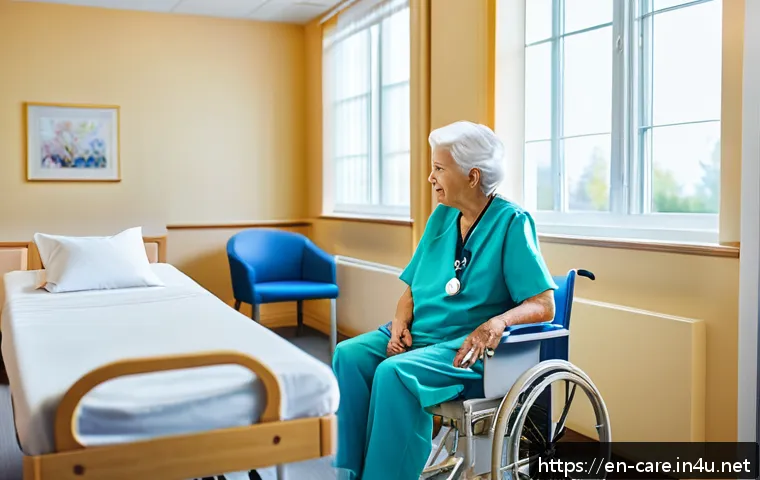
A welcoming environment is crucial for healing, and skilled nursing facilities are increasingly designed to resemble a home rather than a hospital. Warm colors, natural lighting, and personalized room decorations contribute to comfort.
This environment reduces stress and anxiety, which are often overlooked but powerful barriers to recovery. I’ve noticed that patients who feel emotionally safe and relaxed tend to engage more actively in therapy sessions and experience better overall outcomes.
Family Involvement and Social Activities
Rehabilitation is not just physical; emotional support plays a massive role. Facilities encourage family visits and participation in therapy goals, fostering a support network around the patient.
Additionally, group activities and social events are organized to combat loneliness and depression, common challenges during long recoveries. From conversations with patients, these social bonds offer motivation and a sense of normalcy, which can be as vital as any medical treatment.
Emphasis on Mental Health Services
Recognizing the emotional toll of recovery, skilled nursing programs often integrate counseling and psychiatric support. Addressing depression, anxiety, or cognitive impairments alongside physical rehab creates a holistic healing process.
Mental health professionals work closely with the rehab team to tailor interventions that complement physical therapy. Patients who receive this dual support often report feeling more hopeful and resilient, which translates into better participation and faster progress.
Structured Monitoring and Outcome Tracking
Regular Functional Assessments
Frequent evaluations are key to understanding progress and adjusting care plans. Skilled nursing facilities conduct comprehensive assessments covering mobility, strength, cognitive function, and daily living skills.
These evaluations are not just a formality but a vital feedback loop that empowers therapists and patients alike to celebrate small wins or troubleshoot issues.
I’ve seen how transparent sharing of these results with patients motivates them by showing tangible evidence of improvement.
Data-Driven Adjustments to Therapy
Using collected data from assessments and monitoring devices, therapy programs are continuously refined. This responsiveness ensures that patients are neither under-challenged nor overwhelmed, striking a balance that promotes steady improvement.
Therapists often customize exercise intensity and frequency based on real-time insights, which I find particularly effective compared to rigid rehab schedules.
Outcome Documentation for Future Care
All progress and setbacks are meticulously documented, creating a valuable record for future healthcare providers. This comprehensive history supports smoother transitions back to home care or outpatient services and informs long-term health strategies.
Families also appreciate having clear documentation to understand the recovery trajectory and plan ongoing support accordingly.
Comparing Skilled Nursing Rehabilitation with Other Care Options
Differences in Care Intensity and Expertise
Skilled nursing facilities provide a higher level of medical supervision and specialized therapy compared to home health care or outpatient rehab. The presence of licensed nurses and therapists onsite 24/7 offers immediate response to complications.
This contrasts with outpatient settings where patients might have less frequent contact and limited monitoring, which can slow recovery or miss early warning signs.
Cost and Insurance Considerations
While skilled nursing rehab can be more expensive upfront, insurance often covers a significant portion, especially after hospital stays. The comprehensive nature of care may reduce long-term costs by preventing rehospitalizations and complications.
Comparing out-of-pocket expenses and potential benefits is essential when deciding on post-acute care options.

Patient Suitability and Preferences
Not every patient requires or benefits from skilled nursing rehab. Those with complex medical needs or who need intensive therapy tend to thrive in this setting.
Conversely, patients with milder conditions or strong home support might find outpatient rehab sufficient. Understanding individual circumstances and preferences helps families make informed decisions that balance medical needs with comfort and independence.
| Aspect | Skilled Nursing Facility Rehab | Outpatient Rehab | Home Health Care |
|---|---|---|---|
| Medical Supervision | 24/7 nursing and physician oversight | Periodic therapist visits, limited medical staff | Therapist visits with minimal medical monitoring |
| Therapy Intensity | Multiple daily sessions, multidisciplinary | 1-2 sessions per week, focused therapy | Therapy tailored to home environment, less frequent |
| Environment | Structured, supportive, home-like setting | Clinic or hospital outpatient setting | Patient’s own home |
| Cost | Higher initial cost, often covered by insurance | Lower cost, variable insurance coverage | Moderate cost, insurance dependent |
| Best For | Complex, intensive rehab needs | Mild to moderate rehab needs | Limited therapy needs with home support |
Nutrition’s Role in Supporting Recovery
Customized Dietary Plans
Nutrition often flies under the radar in rehab discussions, but it’s a cornerstone of healing. Skilled nursing facilities offer tailored meal plans that address individual dietary restrictions and recovery goals.
Whether it’s boosting protein intake for muscle repair or managing blood sugar levels, these plans are crafted by dietitians who work closely with the rehab team.
I remember how my relative’s appetite improved when meals were adjusted to both taste preferences and medical needs, which made a big difference in their energy levels.
Hydration and Supplementation Strategies
Proper hydration supports circulation, joint flexibility, and cognitive function during recovery. Facilities monitor fluid intake carefully and introduce supplements like vitamins or minerals when deficiencies are detected.
This proactive approach helps prevent common setbacks such as fatigue or delayed wound healing. Observing this level of attention to detail reassured me that recovery was being supported holistically.
Education for Long-Term Healthy Habits
Beyond immediate recovery, skilled nursing rehab programs educate patients and families on maintaining healthy nutrition post-discharge. Workshops and counseling sessions teach practical tips for meal preparation, portion control, and managing chronic conditions.
Empowering patients in this way helps sustain gains made during rehab and supports overall wellness, making a lasting impact beyond the facility stay.
Embracing Mobility and Independence Early
Early Mobilization Protocols
Getting patients moving as soon as medically possible is a key principle in skilled nursing rehab. Early mobilization reduces risks like muscle atrophy, blood clots, and pneumonia.
Therapists employ safe, progressive techniques to encourage standing, walking, or chair transfers even when patients feel weak. I found that this proactive approach fosters a mindset of capability and independence, which is crucial for long-term success.
Adaptive Equipment and Assistive Devices
Facilities provide access to a wide range of assistive devices—walkers, braces, wheelchairs, and more—that support safe mobility. Training on their use is integrated into therapy to build confidence and ensure patients can navigate their environment securely.
This hands-on experience with equipment reduces fear of falls and encourages functional independence, which I witnessed firsthand during family visits.
Transition Planning for Safe Home Return
Preparing patients for life after discharge involves thorough assessments of their home environment and capabilities. Skilled nursing teams coordinate with families to recommend modifications like grab bars, ramps, or specialized furniture.
They also arrange for home health services if needed. This careful transition planning minimizes risks and supports sustained independence, making the leap from facility to home less daunting.
Building Confidence Through Consistent Encouragement
Positive Reinforcement in Daily Therapy
Recovery can be a rollercoaster emotionally, with highs and lows that challenge motivation. Skilled nursing staff excel at providing consistent encouragement, celebrating small victories, and reframing setbacks as temporary hurdles.
From what I’ve seen, this supportive atmosphere creates a sense of camaraderie and hope that helps patients keep pushing forward, even on tough days.
Peer Support and Group Rehabilitation
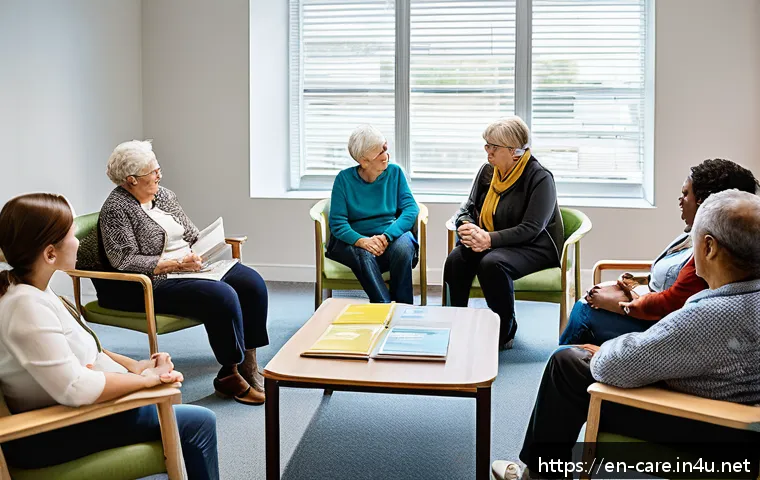
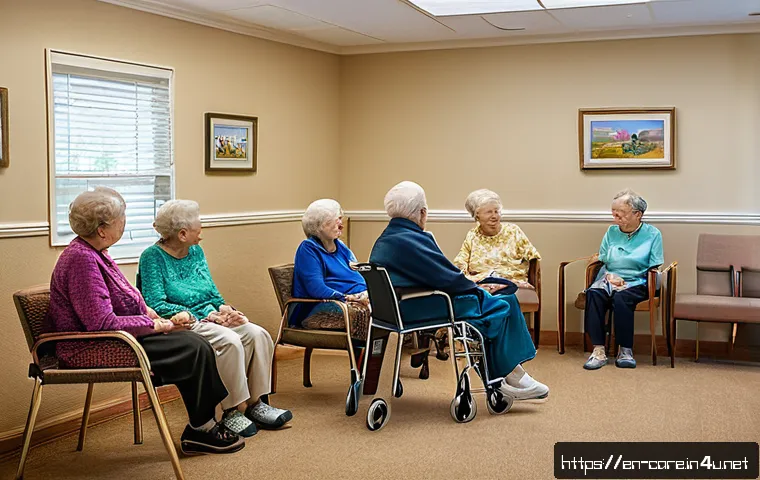
Many facilities organize group therapy sessions where patients share experiences and support one another. This peer interaction fosters a community spirit, reduces feelings of isolation, and provides role models of progress.
Patients often find inspiration in seeing others overcome similar challenges, which I believe adds a powerful emotional boost to the rehab process.
Family Education and Involvement
Educating families about what to expect during recovery and how to support their loved ones is a vital part of building confidence. Skilled nursing programs offer training and resources to caregivers, helping them understand therapy goals and techniques.
This involvement not only reassures patients but also creates a more informed and engaged support system, which is essential for sustained recovery success.
Conclusion
Skilled nursing rehabilitation offers a comprehensive, personalized approach that truly supports both physical and emotional recovery. Through advanced therapies, multidisciplinary care, and a home-like environment, patients gain the confidence and tools needed for lasting independence. From what I’ve seen, this holistic model not only accelerates healing but also empowers patients to reclaim their daily lives with renewed strength and hope.
Helpful Information
1. Skilled nursing rehab combines medical supervision with personalized therapy for complex recovery needs.
2. Advanced technologies like robotic-assisted devices and virtual reality enhance rehabilitation outcomes effectively.
3. Emotional well-being is prioritized through family involvement, social activities, and mental health services.
4. Nutrition plays a critical role, with customized dietary plans supporting energy and healing.
5. Early mobilization and careful transition planning promote safety and independence after discharge.
Key Takeaways
Understanding the benefits of skilled nursing rehabilitation helps in making informed decisions about post-acute care. This option is ideal for those requiring intensive, multidisciplinary support with continuous monitoring. The integration of technology and emotional care distinguishes it from outpatient or home health alternatives. Cost considerations and patient preferences should also guide the choice, ensuring recovery plans align with individual needs and goals for a smooth and successful healing journey.
Frequently Asked Questions (FAQ) 📖
Q: What types of rehabilitation therapies are typically offered in skilled nursing facilities?
A: Skilled nursing facilities usually provide a range of rehabilitation therapies tailored to individual needs. This often includes physical therapy to improve mobility and strength, occupational therapy to help regain daily living skills, and speech therapy for communication or swallowing difficulties.
Many facilities also offer specialized programs for stroke recovery, orthopedic rehabilitation, or cardiac rehab. From my experience visiting patients, having these therapies available under one roof with coordinated care significantly speeds up recovery compared to isolated outpatient sessions.
Q: How does the care in skilled nursing facilities differ from other post-hospital rehabilitation options?
A: Skilled nursing facilities combine intensive medical oversight with personalized rehabilitation, which sets them apart from home health care or outpatient rehab.
They have licensed nurses and therapists available around the clock, ensuring immediate response to any health changes. This comprehensive setup supports patients with complex medical needs or those who require close monitoring during their recovery.
I’ve seen firsthand how this integrated approach prevents complications and promotes safer, more effective healing, especially for older adults or those with multiple conditions.
Q: How can I determine if a skilled nursing facility’s rehab program is the right choice for my loved one?
A: Choosing the right rehab program involves assessing the patient’s medical complexity, rehabilitation goals, and support system. It’s important to visit facilities, ask about their therapy intensity, staff qualifications, and success rates with similar cases.
Also, check if they coordinate well with your doctor and provide clear communication. From my conversations with families, those who felt involved in care planning and saw steady progress were much more confident in their choice.
Don’t hesitate to request a trial stay or speak with past patients to get a real sense of the facility’s environment and effectiveness.