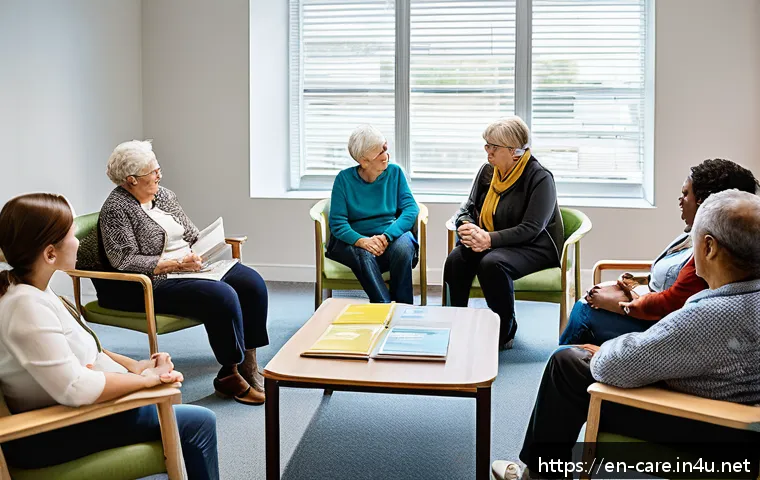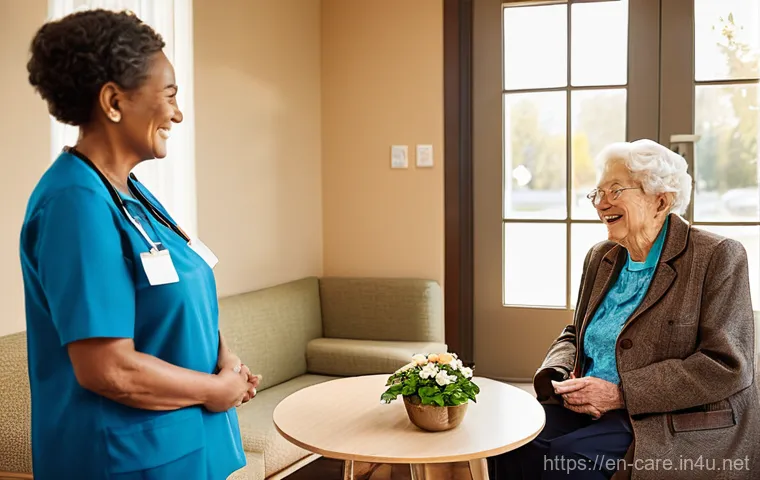
Navigating the world of nursing homes for a beloved family member can feel like stepping into a labyrinth. Believe me, I’ve walked that path, wrestling with countless choices and the emotional weight of such a significant decision.
It’s more than just finding a bed; it’s about ensuring genuine care, a comfortable environment, and profound peace of mind for everyone involved. With so much at stake, preparing for those crucial visit consultations is absolutely essential – you want to ask the right questions and spot the subtle red flags.
I’ve learned firsthand what truly matters, and I’m here to simplify this often overwhelming process for you. Let’s dive in and explore exactly what you need to know to make the best choice!
Unpacking the Vibe: First Impressions and Gut Instincts

When you first step into a nursing home, it’s not just about what you see on the surface; it’s about the feeling you get. I’ve learned that my initial gut reaction often tells me more than any perfectly manicured brochure ever could.
You’ll want to pay close attention to the general atmosphere, the sounds, and even the smells. Does it feel welcoming and warm, or clinical and cold? Are residents engaged in activities, or do they seem listless?
Are there staff members interacting genuinely with residents, or are they rushing past? Trust your instincts here. If something feels off, it probably is.
I’ve always made it a point to observe how the reception staff handles incoming calls or unexpected visitors – it’s a small window into their overall responsiveness and professionalism.
A cheerful, efficient front desk can be a good sign, while a chaotic or indifferent one might hint at deeper issues. It’s not just about polished floors; it’s about the genuine warmth that permeates the space.
Look for common areas that invite social interaction and personal touches that make it feel less institutional and more like a home.
Beyond the Shiny Facade: What True Cleanliness Looks Like
We all want a clean environment, but I’ve found that true cleanliness in a nursing home goes beyond just a freshly mopped floor. It’s about the subtle cues.
Does the facility smell clean, or are strong air fresheners masking something else? Are residents’ rooms tidy and personalized, or do they look neglected?
Check the bathrooms – are they spotless and accessible? I once visited a place that looked pristine in the common areas, but when I peeked into a resident’s room (with permission, of course!), I noticed dust on the windowsills and a general sense of disarray.
That instantly raised a red flag for me. It showed a disconnect between the public-facing image and the actual care behind closed doors. You want to see that staff are regularly tending to residents’ personal spaces, not just the hallways.
The Silent Language of Residents: Observing Their Well-being
This is probably one of the most crucial aspects I’ve learned to focus on. Forget the marketing spiel for a moment and just watch the residents. Are they dressed appropriately for the time of day?
Do they look well-groomed and comfortable? Are they smiling, laughing, or engaging with others? Or do they appear isolated, bored, or even distressed?
I always try to make eye contact with a few residents, offering a friendly nod. Sometimes, their non-verbal cues can tell you a story. Are they slumped in wheelchairs without any stimulation, or are they actively participating in a group activity?
A truly good facility will have residents who seem content and engaged, not just existing. It speaks volumes about the quality of care and the positive environment they foster.
Peeking Behind the Curtain: Staffing, Training, and True Care
Finding a facility with excellent staff is like striking gold, but it takes careful observation and smart questioning. It’s not just about numbers; it’s about the quality of interaction and the genuine dedication you witness.
I’ve always prioritized seeing how staff members interact with residents and each other. Are they patient, kind, and respectful, even when a resident is being difficult?
Do they speak directly to the residents, or do they talk over them to family members? My personal rule of thumb is to look for smiles, gentle touches, and genuine conversations, not just task-oriented efficiency.
A high staff-to-resident ratio is important, yes, but it means little if the staff aren’t compassionate and well-trained. I’ve seen places with plenty of staff but a noticeable lack of heart, and conversely, places where fewer staff members radiated incredible warmth and dedication.
It’s truly a blend of both.
The Heart of the Home: Staff Interactions and Resident Dignity
Pay close attention to how care staff communicate with residents. Do they address them by their preferred name? Do they knock before entering a room?
Are they explaining procedures before performing them, even for simple tasks? These small acts of respect contribute immensely to a resident’s dignity and sense of self-worth.
I remember watching a caregiver patiently help a gentleman with his meal, chatting with him about his day and making him laugh. It wasn’t rushed; it was human.
That’s the kind of interaction you want to see consistently. It suggests a culture where residents are seen as individuals, not just patients on a schedule.
Also, observe staff turnover if you can. A stable team often indicates a supportive work environment, which translates to better, more consistent care for your loved one.
Training Matters: Expertise in Action
Don’t be shy about asking about staff training, especially for specialized needs like dementia care or rehabilitation. What ongoing education do they provide?
Are their certifications current? It’s one thing to say they have specialized care; it’s another to demonstrate how their staff are equipped to deliver it effectively and compassionately.
I’ve personally asked about specific scenarios: “How would your team handle a resident who refuses medication?” or “What protocols are in place for managing aggressive behaviors in dementia patients?” Their answers should reflect a clear understanding of best practices and a human-centered approach.
You want to know that the people caring for your family member aren’t just doing a job, but are skilled professionals who genuinely care and know how to handle complex situations with grace and expertise.
Nourishment and Nurturing: Food, Fun, and Daily Life
When we talk about a nursing home, it’s easy to focus on the medical aspects, but the daily rhythm of life – what residents eat, how they spend their time, and their opportunities for joy – is just as vital.
I’ve always felt that good food and engaging activities are cornerstones of a high quality of life. It’s not just about sustenance; it’s about providing comfort, enjoyment, and a sense of normalcy.
Imagine eating bland, repetitive meals day in and day out – it would quickly erode anyone’s spirit. Similarly, without stimulating activities, days can blend into an uninspiring monotony.
During my visits, I always try to time it so I can see meal service or witness an activity in progress. It gives you a real feel for the facility’s commitment to nourishing both body and soul.
Taste and Nutrition: The Mealtime Experience
Food is such a fundamental part of our lives, and it shouldn’t be overlooked in a nursing home. Ask to see a weekly menu, and if possible, try a meal yourself.
Are the meals varied, nutritious, and appealing? Do they accommodate dietary restrictions and personal preferences? I recall one facility that proudly showed me their kitchen, and the chef was passionate about sourcing fresh ingredients and offering resident favorites.
That made a huge difference to me. On the flip side, I’ve seen places where meals looked unappetizing and uninspired. Observe the dining experience: Is it a pleasant, social occasion, or a rushed, silent affair?
Do residents have choices, or are they given whatever is served? Good nutrition and an enjoyable mealtime contribute significantly to a resident’s overall health and happiness.
More Than Just Bingo: Engaging Activities and Social Life
A vibrant activities program is a strong indicator of a facility that values its residents’ mental and emotional well-being. Go beyond just looking at the activity calendar; ask yourself if the activities truly cater to a wide range of interests and abilities.
Are there opportunities for intellectual stimulation, creative expression, physical exercise, and social interaction? I’ve seen some incredible programs – residents tending a garden, participating in art therapy, enjoying live music, or even connecting with schoolchildren.
These activities foster a sense of purpose and community. It’s easy for facilities to list “Bingo” every day, but a genuinely engaging program offers variety and caters to individual preferences.
Your loved one shouldn’t just be existing; they should have opportunities to thrive and find joy in their daily life.
The Dollars and Sense: Decoding the Financial Landscape
Navigating the financial side of nursing home care can feel like solving a complex puzzle. Believe me, I’ve spent countless hours trying to decipher pricing structures, insurance policies, and potential hidden fees.
It’s absolutely crucial to get a clear, comprehensive understanding of all costs upfront, because surprises down the line are the last thing you need when managing such a sensitive situation.
Don’t be afraid to ask detailed questions and even request a written breakdown of all charges. This is where you need to switch from emotional observer to savvy negotiator, making sure every dollar spent translates to quality care and peace of mind.
Remember, transparency here is key, and if a facility is hesitant to provide clear answers, that’s a significant warning sign.
Unmasking the Costs: Beyond the Sticker Price
The advertised monthly rate is often just the beginning. You need to ask about all potential “extra” charges. Are medications included?
What about personal care items, laundry services, or transportation to medical appointments? Is there a separate charge for physical therapy, occupational therapy, or speech therapy?
What about specialized dietary needs? I’ve discovered that these add-ons can significantly inflate the total bill, sometimes to an unexpected degree. Get a detailed list of what’s included in the basic rate and what constitutes an additional charge.
Don’t assume anything is covered unless it’s explicitly stated. For example, some facilities charge extra for things like hairdressing or even a personal telephone line in the room.
Clarity now prevents headaches later.
Navigating Funding: Medicare, Medicaid, and Beyond
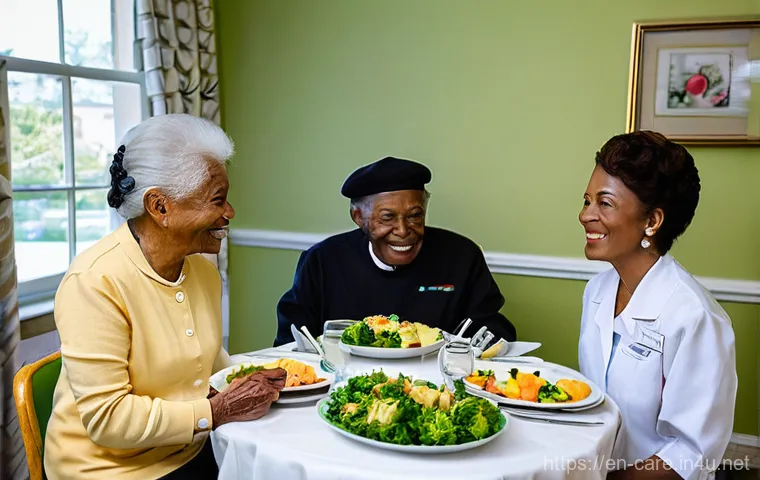
Understanding how to pay for long-term care can be overwhelming, especially with systems like Medicare and Medicaid, which have very specific eligibility requirements and coverage limits.
Medicare generally covers short-term skilled nursing care for rehabilitation after a hospital stay, but it doesn’t typically cover long-term custodial care.
Medicaid, on the other hand, is a state-federal program that can cover long-term care for individuals with limited income and assets, but the application process can be complex.
You’ll also want to inquire about private long-term care insurance policies and how they integrate with the facility’s billing. Ask if the facility accepts these different payment methods and if they have staff who can assist with the application processes or provide guidance.
It’s a financial minefield, and having informed support from the facility can be invaluable.
| Category of Inquiry | Key Questions to Ask During Your Visit | What to Observe |
|---|---|---|
| Care & Staffing | What is your staff-to-resident ratio for each shift? How do you handle medical emergencies or changes in a resident’s condition? What specialized training do staff receive (e.g., dementia care)? | Staff interaction with residents, staff responsiveness to calls, general demeanor of caregivers. |
| Daily Life & Activities | Can I see a typical weekly activity calendar? How are individual preferences for activities accommodated? What are the meal options, and can residents provide feedback on food? | Residents participating in activities, dining area atmosphere, variety and enthusiasm of scheduled events. |
| Health & Wellness | How often are residents seen by a doctor? What is your medication management protocol? What services are available for physical, occupational, or speech therapy? | Cleanliness, availability of medical equipment, presence of therapy rooms or dedicated spaces. |
| Safety & Security | What security measures are in place (e.g., controlled access, alarm systems)? What is your emergency preparedness plan (fire, natural disaster)? How often are safety drills conducted? | Visible security cameras, emergency exits clearly marked, condition of walkways and handrails. |
| Costs & Contracts | Please provide a detailed breakdown of all inclusive and additional charges. Do you accept Medicare, Medicaid, or private long-term care insurance? What is your policy on rate increases? | Transparency in answers, willingness to provide written documentation, clarity of contract terms. |
Safety Protocols and Preparedness: Ensuring Peace of Mind
When you’re entrusting a loved one to a nursing home, safety isn’t just a buzzword; it’s a fundamental requirement. I’ve spent a lot of time poring over regulations and asking pointed questions about what measures are truly in place to protect residents.
It goes beyond just locking the doors; it encompasses everything from infection control to emergency response and ensuring a secure living environment.
My biggest takeaway from this process has been to look for a facility that doesn’t just meet minimum standards, but actively strives for excellence in safeguarding its residents.
A transparent and proactive approach to safety can ease so much of the anxiety that comes with this monumental decision. You want to feel confident that your family member is not only cared for but genuinely protected.
Beyond Locked Doors: Comprehensive Security Measures
When I first started looking, I thought security primarily meant locked doors. While essential, it’s so much more. Ask about controlled access to the facility, especially at night or in specialized units like memory care.
Are visitors screened? Are there surveillance cameras in common areas? How do they prevent residents from wandering off, particularly those with cognitive impairments?
I once visited a facility that had a coded entry system and individual alarms on resident room doors, which offered an extra layer of reassurance. It’s also worth inquiring about theft prevention – unfortunately, it can be an issue in any shared living environment, so knowing what measures are in place to protect residents’ personal belongings is important.
A good facility will have a clear, well-communicated security plan.
Ready for Anything: Emergency Preparedness and Infection Control
In today’s world, emergency preparedness and infection control are paramount. You absolutely must ask about their emergency plans for everything from fires and natural disasters to power outages.
How quickly can they evacuate residents? Where will they go? What provisions do they have for essential services during an extended emergency?
Equally critical is their approach to infection control. What are their protocols for preventing the spread of illness, especially seasonal flu or more serious outbreaks?
Do staff consistently practice good hand hygiene? Is the facility clean and regularly disinfected? I was particularly impressed by a facility that had clear signage for handwashing protocols and a dedicated staff member whose primary role was infection prevention.
These proactive steps demonstrate a commitment to keeping residents healthy and safe.
Listening to Your Intuition: The Art of Post-Visit Reflection
After all the tours, the questions, and the observations, you’ll inevitably find yourself back home, trying to make sense of everything. This is where your intuition becomes your most powerful tool.
I’ve learned that while data and facts are crucial, the overall feeling you’re left with after each visit truly matters. It’s about synthesizing all the information, reflecting on your loved one’s unique needs, and critically assessing whether a particular environment truly aligns with their well-being and your family’s peace of mind.
Don’t rush this stage. Give yourself time to process, discuss with family, and revisit any lingering doubts. This decision is too important to be made on facts alone; your gut instinct, honed by careful observation, will be your best guide.
Connecting the Dots: Weighing Pros, Cons, and Priorities
Once you’ve toured a few places, sit down and make a list of pros and cons for each, but go beyond just the objective points. How did each place make you *feel*?
Did you feel a sense of warmth, security, or anxiety? Consider your loved one’s personality and what would truly make them comfortable and happy. For example, if your parent is very social, a bustling facility with lots of group activities might be better than a quiet, more subdued one, even if the latter has a slightly higher staff ratio.
Think about their specific needs – is skilled medical care their top priority, or is it a vibrant social life? I often found myself going back to my initial emotional response, weighing it against the facts I had gathered.
Sometimes, the “perfect” place on paper didn’t feel right in my heart, and that’s a valid consideration.
Red Flags and Deal Breakers: When to Walk Away
Throughout this process, you’ll encounter things that just don’t sit right. These are your red flags, and you need to pay attention to them. For me, a major red flag was a lack of transparency – if a facility was hesitant to answer questions or provide information, it immediately made me suspicious.
Other deal breakers might include persistent foul odors, residents appearing neglected or overly sedated, high staff turnover, or a dismissive attitude from management.
Don’t rationalize away these feelings. If a facility seems understaffed, if the residents seem unhappy, or if you feel a general sense of unease, it’s often a sign that this isn’t the right fit.
It’s okay to walk away, even if it means starting your search again. Your peace of mind, and more importantly, your loved one’s well-being, is absolutely worth it.
Wrapping Things Up
Navigating the complex world of nursing home selection is undeniably one of life’s tougher challenges. It’s a journey filled with emotions, hard facts, and countless considerations. But remember, you’re not just finding a facility; you’re seeking a home, a community, and a place where your loved one can continue to live with dignity and joy. My hope is that by sharing what I’ve learned, you feel a little more prepared and a lot more confident in trusting your instincts. This decision is profound, and taking the time to truly see, feel, and understand each option is the greatest gift you can give your family.
Pro Tips for Your Nursing Home Search
1. Visit Multiple Times, Unannounced: While scheduled tours are helpful, try to drop by at different times of day and on various days of the week, if the facility allows. An unannounced visit during a mealtime or an activity session can give you a much more authentic glimpse into the daily life and atmosphere of the home. I’ve found that seeing how things run when they aren’t expecting you often reveals the true operational rhythm and staff engagement levels. It’s about catching them in their natural state, not just their polished performance.
2. Engage with Residents and Their Families (Respectfully): If possible and appropriate, try to have brief, friendly conversations with current residents or their visiting family members. They are a treasure trove of firsthand experience. Ask them about their general satisfaction, the staff, the food, and activities. Of course, always be respectful of their privacy and space, but I’ve personally gained some of the most invaluable insights from these informal chats. Their candid feedback often uncovers details you won’t find in any brochure.
3. Don’t Shy Away from Your Gut Feelings: I cannot stress this enough – your intuition is a powerful compass. If something feels off, even subtly, pay attention to it. It could be a persistent smell, a lack of staff attentiveness, or a general sense of unease. Don’t dismiss these feelings as irrational. Often, these gut reactions are an accumulation of subconscious observations. I’ve learned to trust my internal alarm bells; they’ve saved me from making less-than-ideal choices more than once.
4. Prepare a Comprehensive Checklist, But Stay Flexible: Before each visit, arm yourself with a detailed checklist covering all the crucial areas: cleanliness, staffing, activities, food, safety, and financial transparency. This ensures you cover all your bases and don’t forget important questions in the moment. However, be prepared to be flexible; sometimes the “perfect” facility on paper might not feel right in person, and vice versa. It’s a dynamic process, and your list is a guide, not a rigid set of rules.
5. Inquire About Family Involvement and Communication: A facility that genuinely values family involvement and maintains open lines of communication is paramount. Ask how they keep families informed about a resident’s well-being, any changes in condition, or upcoming events. Do they have family councils? What’s their policy on visiting hours? A truly supportive environment encourages family participation and views relatives as partners in care. My experience shows that strong communication fosters trust and ensures your loved one receives the best possible attention.
The Essentials: What Really Matters
Ultimately, selecting a nursing home boils down to a holistic evaluation, blending objective facts with your deeply personal observations and gut feelings. It’s about much more than just the advertised amenities; it’s about the heart and soul of the place. You must meticulously investigate the quality of care, the genuine warmth and professionalism of the staff, the engagement opportunities through activities, and the nutritional value of the meals. Equally important are robust safety protocols, transparent financial dealings, and a clear understanding of what’s truly included. Never hesitate to ask tough questions, revisit facilities, and above all, listen intently to your inner voice. This isn’t a decision to be rushed, but rather one to be approached with thoughtful diligence, ensuring that the environment you choose genuinely champions the well-being and dignity of your loved one, providing true peace of mind for everyone involved in this significant transition.
Frequently Asked Questions (FAQ) 📖
Q: When I first visited nursing homes, I felt so overwhelmed. What are the absolute most important things I should be looking for and asking about during those crucial initial visits to truly gauge a place?
A: Oh, believe me, I’ve been there! That knot in your stomach, trying to remember everything. When I was navigating this, I quickly learned to look beyond the shiny brochure and really tune into the atmosphere.
First, watch the staff. Are they smiling? Do they seem genuinely engaged with residents, not just performing tasks?
Do residents seem happy, or are they withdrawn? Don’t be afraid to linger in common areas and observe. Next, the smell.
A pervasive smell of urine or disinfectant is a huge red flag – it often indicates staffing shortages or a lack of attention to cleanliness. And please, please ask about staff-to-resident ratios, especially during evenings and weekends.
That’s when things can get stretched thin. Also, ask about resident activities and how they encourage engagement. It’s not just about bingo; it’s about meaningful interaction.
I remember one facility where residents were just sitting in front of a TV, looking utterly bored, and I knew right then it wasn’t the right fit. Push for transparency and don’t feel rushed.
Your instincts are incredibly valuable here.
Q: It’s easy to be swayed by a nice lobby, but how can I really tell if a nursing home provides excellent, compassionate care beneath the surface? What are the biggest red flags that suggest I should definitely look elsewhere?
A: You’ve hit the nail on the head – a fancy entrance doesn’t equal quality care. What truly hit home for me was understanding that the heart of a good nursing home lies in its people and its culture.
Beyond the surface, look for consistency in care. Do you see the same staff members interacting with residents day after day? High staff turnover is a massive red flag because it indicates deeper problems.
Another deep dive: ask about their approach to personalized care plans. Are they genuinely tailored to each resident’s needs and preferences, or are they just generic templates?
I actually asked to see a sample, discreetly, of course! A major red flag for me was when call bells weren’t answered promptly, or when I noticed residents looking disheveled, unkempt, or with untouched meal trays.
It sounds simple, but observing how residents are dressed, groomed, and whether they’re actually eating their meals tells you a profound story about the daily care they receive.
Lack of genuine warmth, transparency about their last inspection reports, or an unwillingness to let you speak directly with current residents’ families are also huge no-gos.
Trust your gut if something feels off; it usually is.
Q: This is such an emotional journey. How can I best prepare my loved one for this huge transition, and what practical advice do you have regarding the financial aspects, which frankly, scare me?
A: Oh, the emotional weight of this decision is immense, and it’s something I truly understand. Preparing your loved one is probably the hardest part, and it requires so much empathy.
My biggest piece of advice is to involve them in the process as much as possible, if their condition allows. We talked about it openly, focusing on the positives, like having companionship and professional care around the clock.
Bring familiar items from home – photos, a favorite blanket, cherished trinkets – to make their new room feel like theirs. It really helps ease the transition and gives them a sense of continuity.
Practically, try to establish a routine quickly after they move in. Visit frequently, especially in the beginning, to show your unwavering support and help them settle.
Now, onto the finances – that was a major source of stress for me too, feeling like I was stepping into a financial labyrinth! While costs vary wildly, it’s crucial to understand your options early.
Explore any long-term care insurance policies they might have, look into financial assistance programs in your area, and don’t shy away from consulting with a financial advisor specializing in elder care.
They can help you navigate everything from understanding asset protection to potential government programs. It’s a lot to take in, but there are resources out there, and you absolutely don’t have to figure it all out alone.