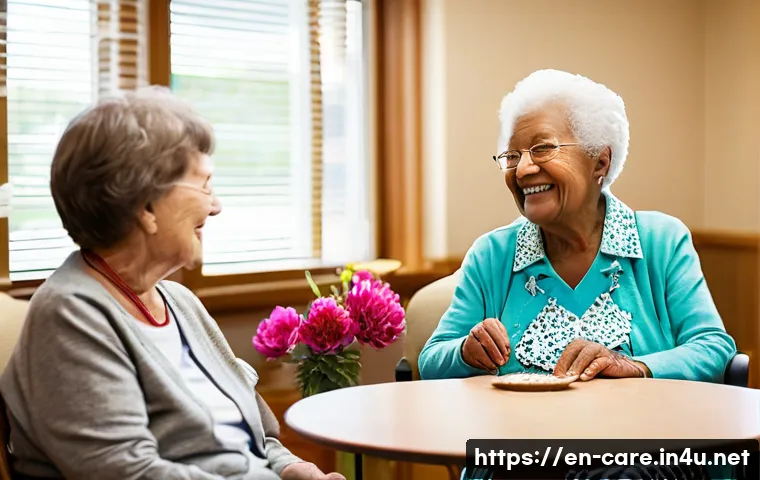
Caring for elderly patients with chronic conditions requires a specialized approach that goes beyond typical healthcare. Nursing facilities dedicated to managing age-related diseases provide not just medical support but also emotional and social care tailored to seniors’ unique needs.
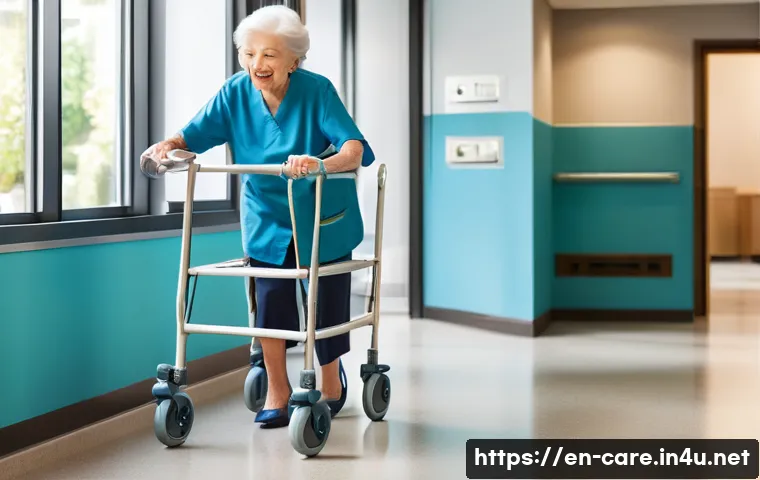
These centers play a crucial role in enhancing quality of life, preventing complications, and promoting independence whenever possible. With an aging population, the demand for expert care environments is growing rapidly.
Understanding how these facilities operate and what services they offer can make a significant difference for families seeking the best options. Let’s dive deeper into the essentials of senior care nursing homes and explore what sets them apart.
I’ll guide you through everything you need to know!
Comprehensive Care Models Tailored for Seniors
Personalized Medical Management
One of the standout features of senior-focused nursing facilities is their dedication to personalized medical care. These centers understand that elderly patients often have multiple chronic conditions that require careful coordination among specialists, primary care providers, and nursing staff.
Unlike typical hospital settings, where treatment tends to be more reactive, these facilities emphasize proactive monitoring. Regular assessments, medication reviews, and adjustments are carried out with the senior’s overall well-being in mind.
In my experience visiting such centers, the collaboration between geriatricians and nursing teams creates a seamless flow of information that reduces hospital readmissions and medication errors.
This personalized approach not only treats existing conditions but also anticipates complications before they escalate, offering peace of mind to families.
Emotional and Psychological Support Systems
Beyond medical management, emotional well-being is a critical pillar of care in these environments. Elderly patients frequently face isolation, depression, or anxiety, especially when dealing with chronic illnesses.
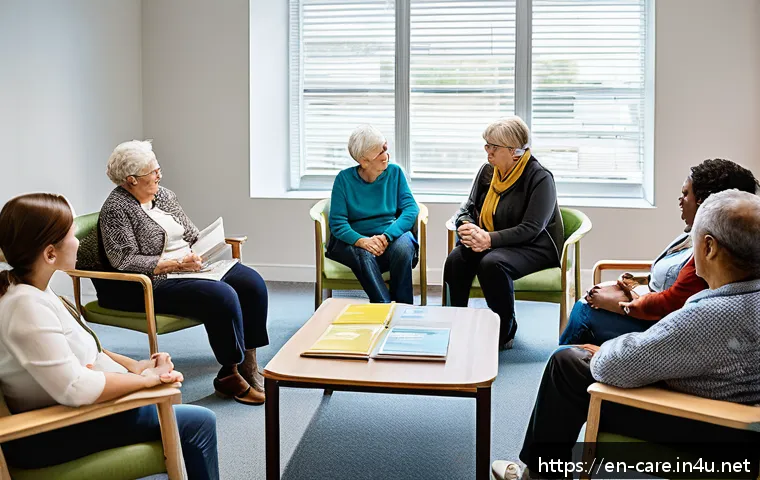
The best nursing homes integrate mental health professionals and social workers into the care team, providing counseling, group therapy, and recreational activities that foster social engagement.
From what I’ve observed, seniors who participate in these social programs tend to maintain higher spirits and better cognitive function. It’s not just about medicine—it’s about creating a supportive community where residents feel valued and understood.
This emotional support often translates into improved physical health outcomes, demonstrating the inseparable link between mind and body in senior care.
Family Involvement and Communication
A unique advantage of these specialized care facilities is their commitment to involving families in the care process. Frequent updates, family meetings, and educational sessions empower relatives to make informed decisions and feel connected despite physical distance.
I’ve witnessed caregivers who proactively reach out with progress reports or changes in care plans, which can drastically reduce anxiety for family members.
This transparency builds trust and reassures everyone that their loved one is in capable hands. Also, many facilities offer training on how families can support ongoing care at home, which is invaluable for transitions back to less intensive environments.
Adaptive Environments Designed for Safety and Comfort
Physical Layouts Catering to Mobility Needs
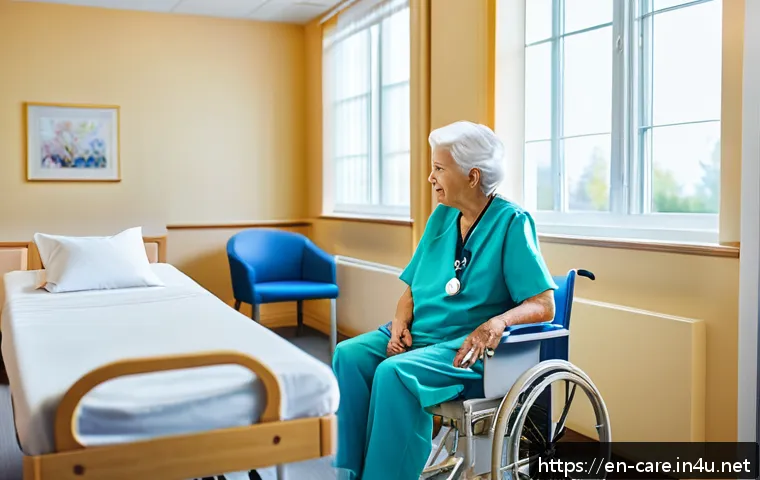
Senior care facilities are thoughtfully designed to accommodate the physical limitations common among elderly patients. Wide hallways, non-slip flooring, and strategically placed handrails are standard features that minimize fall risks.
In my visits, I’ve noticed how these adaptations allow residents to move more freely and confidently, which is essential for preserving independence. Additionally, rooms are often equipped with adjustable beds, emergency call buttons, and easy-to-use lighting controls tailored to diminished vision or dexterity.
These elements combine to create a safer, more comfortable living space that encourages activity without sacrificing security.
Technological Innovations Enhancing Care Quality
Technology plays an increasingly vital role in senior care, particularly in chronic disease management. Facilities often utilize electronic health records (EHR) systems that enable real-time data sharing among caregivers.
I’ve seen devices such as remote monitoring sensors that track vital signs or detect falls, alerting staff immediately to potential emergencies. These advancements improve response times and allow for more precise adjustments in treatment plans.
Moreover, some centers incorporate telemedicine, making it easier for residents to consult with specialists without the stress of travel. This integration of tech not only improves health outcomes but also boosts family confidence in the care provided.
Creating a Home-Like Atmosphere
Comfort extends beyond physical safety; emotional comfort is equally prioritized. Many nursing homes strive to replicate a homely environment through personalized décor, communal dining areas, and spaces for hobbies or spiritual activities.
During my conversations with residents, it’s clear that feeling “at home” significantly reduces anxiety and fosters a sense of belonging. Staff often encourage personal touches like family photos or favorite furniture to make rooms feel familiar.
This attention to emotional ambiance supports mental health and motivates residents to engage actively with their surroundings.
Specialized Therapeutic Programs for Chronic Conditions
Rehabilitation and Physical Therapy Services
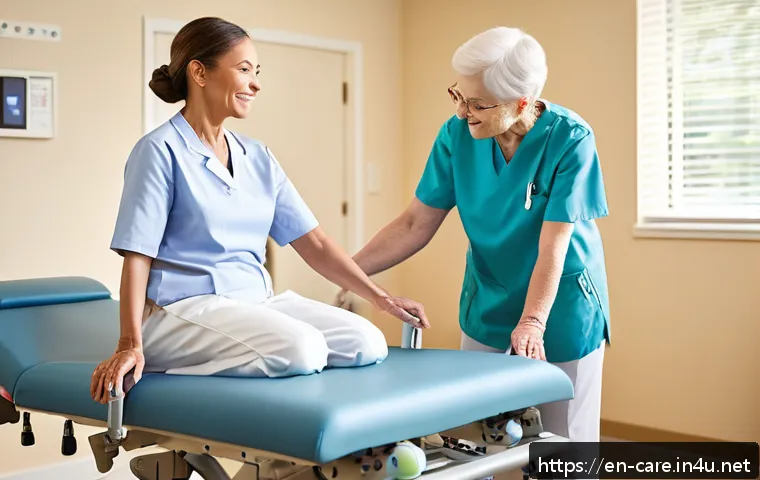
Rehabilitation is a cornerstone of chronic condition management in senior care facilities. Tailored physical therapy programs help maintain or improve mobility, balance, and strength, which are crucial for preventing falls and preserving autonomy.
I’ve personally seen how therapists adapt exercises to each resident’s capabilities, often incorporating assistive devices or aquatic therapy when appropriate.
Consistency and customization make a huge difference; residents who stick with therapy tend to experience less pain and fewer hospitalizations. Moreover, therapy sessions often double as social interactions, adding an emotional boost to the physical benefits.
Nutrition and Dietary Management
Proper nutrition is often overlooked but plays a huge role in managing chronic diseases like diabetes, heart failure, and osteoporosis. These nursing facilities employ dietitians who craft individualized meal plans based on medical needs, preferences, and cultural considerations.
From my observations, meals are not only nutritious but also appealing, which encourages better eating habits. Regular nutritional assessments help prevent malnutrition and weight loss, common issues in the elderly.
Educating residents about their diets also empowers them to make healthier choices independently, supporting long-term wellness.
Cognitive and Memory Care Programs
For seniors facing dementia or Alzheimer’s, specialized cognitive therapies are essential. Many nursing homes offer structured memory care units where activities focus on maintaining cognitive skills and managing behavioral symptoms.
Activities like puzzles, music therapy, and reminiscence sessions are designed to stimulate brain function and provide comfort. I’ve noticed that these programs not only slow cognitive decline but also reduce agitation and improve mood.
Staff trained in dementia care create a calm, predictable environment that helps residents feel secure, which is critical for quality of life.
Staff Training and Multidisciplinary Team Approach
Geriatric Expertise and Continuous Education
The quality of care largely depends on the expertise of the staff, and the best nursing homes invest heavily in ongoing training. Nurses, aides, therapists, and physicians receive specialized education in geriatric syndromes, chronic disease management, and elder abuse prevention.
From firsthand conversations with staff, it’s clear that continuous learning helps them stay current with best practices and emerging treatments. This dedication fosters confidence and ensures residents receive the highest standard of care.
Collaborative Care Teams
A multidisciplinary approach is fundamental in managing the complex needs of elderly patients. Teams typically include doctors, nurses, social workers, dietitians, therapists, and pharmacists who meet regularly to discuss each resident’s progress and challenges.
I’ve witnessed how this collaboration leads to more comprehensive care plans that address physical, emotional, and social needs simultaneously. The synergy created by diverse expertise ensures no aspect of the resident’s health is overlooked, leading to better outcomes and more personalized interventions.
Emphasis on Compassionate Caregiving
Beyond clinical skills, empathy and patience are crucial traits among caregivers in senior nursing homes. Many staff members share stories of forming deep bonds with residents, which makes a meaningful difference in daily life.
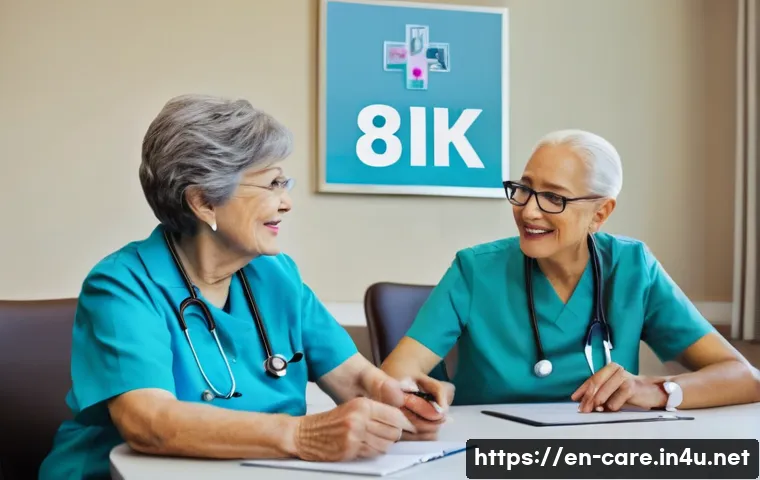
From what I’ve experienced, when caregivers approach their work with genuine kindness, it creates a positive atmosphere that residents can feel. This emotional connection supports healing and comfort, proving that care is not just about procedures but about human relationships.
Key Services and Amenities Enhancing Resident Experience
24/7 Medical Supervision and Emergency Response
Around-the-clock medical supervision is a hallmark of quality senior care facilities. Continuous monitoring ensures that any sudden health changes are promptly addressed.
I’ve seen how rapid response teams are trained to handle emergencies ranging from falls to cardiac events. This constant vigilance reassures families that their loved ones receive immediate attention whenever needed, significantly reducing risks associated with chronic conditions.
Social and Recreational Activities
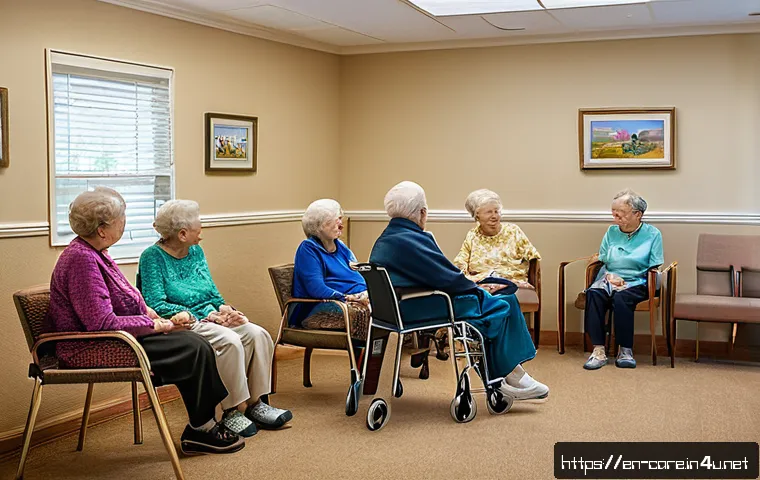
Engagement in social and recreational activities is vital for maintaining mental health and preventing loneliness. Nursing homes offer a variety of programs, including arts and crafts, gardening, movie nights, and holiday celebrations.
From personal visits, I’ve noticed how these activities foster friendships and create a lively community spirit. Participation in meaningful pastimes not only enriches daily life but also encourages physical movement and cognitive stimulation.
Transportation and Community Integration
Many facilities provide transportation services that enable residents to attend medical appointments, social outings, or religious services outside the center.
This access to the broader community helps reduce feelings of isolation and keeps seniors connected to their interests and support networks. I’ve found that being able to leave the facility regularly positively impacts mood and overall quality of life, making these services a valuable component of comprehensive care.
Comparing Types of Senior Care Facilities
| Facility Type | Primary Focus | Typical Length of Stay | Level of Medical Care | Cost Range (Monthly) |
|---|---|---|---|---|
| Skilled Nursing Facility (SNF) | Post-hospital rehabilitation, complex medical care | Short to medium-term (weeks to months) | High – 24/7 nursing, physician oversight | $7,000 – $15,000 |
| Assisted Living Facility | Support with daily activities, social engagement | Long-term | Moderate – limited medical care, on-call nursing | $3,000 – $6,000 |
| Memory Care Unit | Dementia and Alzheimer’s specialized care | Long-term | Moderate to high – specialized staff, secured environment | $5,000 – $10,000 |
| Continuing Care Retirement Community (CCRC) | Comprehensive care from independent to skilled nursing | Long-term | Variable – based on resident needs | $2,000 – $10,000+ |
This comparison helps families weigh options based on medical needs, desired independence levels, and budget. Choosing the right type of facility can dramatically influence the elderly patient’s health trajectory and overall happiness.
Financial Planning and Insurance Considerations
Understanding Medicare and Medicaid Coverage
Navigating insurance coverage for senior care can be daunting. Medicare typically covers short-term skilled nursing care following hospitalization but does not pay for long-term custodial care.
Medicaid, on the other hand, may assist with long-term care costs but requires eligibility based on income and assets. From advising friends and family, I know how important it is to consult with a financial planner or elder law attorney to clarify these details early in the process.
Understanding what is covered—and what isn’t—helps avoid unexpected expenses and ensures that care choices align with financial realities.
Long-Term Care Insurance Benefits
Long-term care insurance can be a valuable resource, especially for those concerned about future nursing home costs. Policies vary widely in coverage, premiums, and waiting periods.
I’ve encountered several families who found peace of mind through such plans, enabling access to higher-tier services without depleting savings. However, purchasing this insurance requires careful evaluation of terms and timing, ideally before significant health issues arise.
Financial Assistance Programs and Planning Tips
Many states and nonprofit organizations offer financial assistance programs to help seniors access quality care. These may include veterans’ benefits, subsidized housing, or grants for home modifications.
When discussing options with families, I always recommend exploring these resources alongside personal savings and insurance. Creating a comprehensive financial plan that includes contingency funds for medical emergencies or care transitions can reduce stress and keep care consistent over time.
Building Trust and Choosing the Right Facility
Visiting and Evaluating Facilities
Selecting a nursing home is a deeply personal decision that requires hands-on evaluation. I encourage families to visit multiple facilities, observe daily routines, and interact with staff and residents.
Pay attention to cleanliness, staff responsiveness, and the general atmosphere. During my visits, the difference between places that feel sterile and impersonal versus warm and engaging is striking.
Asking specific questions about staff training, emergency protocols, and resident satisfaction surveys can uncover insights not visible at first glance.
Resident and Family Testimonials
Hearing from current residents and their families provides invaluable perspective. Many facilities provide references or online reviews that highlight strengths and weaknesses.
I’ve found that candid testimonials often reveal how well a facility handles challenges, such as sudden health declines or behavioral issues. These stories can guide expectations and help avoid surprises after moving in.
Ongoing Communication and Advocacy
Once a choice is made, maintaining open communication with the care team is essential. Families should feel empowered to advocate for their loved ones and request adjustments as needed.
From personal experience, facilities that welcome family involvement and feedback tend to provide more responsive and personalized care. Establishing a partnership with the care providers ensures that residents’ evolving needs are met with respect and professionalism.
글을 마치며
Choosing the right senior care facility is a profound decision that impacts both the resident’s quality of life and peace of mind for their families. Comprehensive care models, thoughtful environments, and compassionate staff come together to create supportive communities where seniors can thrive. By understanding the various options and services available, families can confidently select a setting that meets medical, emotional, and social needs.
알아두면 쓸모 있는 정보
1. Personalized medical management in senior care centers significantly reduces hospital readmissions by anticipating complications early.
2. Emotional and psychological support, including group activities and counseling, greatly enhances seniors’ mental health and overall well-being.
3. Family involvement through regular communication and education fosters trust and smoother care transitions.
4. Technological tools like remote monitoring and telemedicine improve safety and healthcare accessibility for residents.
5. Understanding insurance options like Medicare, Medicaid, and long-term care policies is essential for effective financial planning.
중요 사항 정리
When selecting a senior care facility, prioritize those that offer personalized, proactive medical management alongside strong emotional support systems. Look for environments designed for safety and comfort, enhanced by modern technology and tailored therapeutic programs. Ensure the staff is well-trained in geriatrics and that multidisciplinary teams collaborate closely. Finally, maintain ongoing communication with care providers and involve family members to build trust and ensure the highest quality of life for your loved one.
Frequently Asked Questions (FAQ) 📖
Q: What types of chronic conditions do nursing facilities for the elderly typically manage?
A: Nursing facilities specialized in senior care commonly manage chronic conditions such as dementia, Alzheimer’s disease, arthritis, diabetes, heart disease, and stroke-related disabilities.
These centers are equipped with trained healthcare professionals who understand the complexities of these illnesses and tailor care plans accordingly.
From medication management to physical therapy and cognitive support, the goal is to maintain stability, reduce flare-ups, and improve daily functioning.
Having been involved with family members in such settings, I noticed how crucial it is for staff to not only address physical health but also provide emotional reassurance and social engagement, which can significantly impact recovery and well-being.
Q: How do senior care nursing homes support the emotional and social needs of elderly residents?
A: Beyond medical treatment, these nursing homes prioritize emotional and social care by offering activities like group exercises, art therapy, social outings, and memory-enhancing games.
Staff members often build personal relationships with residents, creating a comforting environment that helps reduce feelings of isolation and depression.
From my experience visiting multiple facilities, the ones that integrate social programs effectively see better moods and even physical health improvements among residents.
This holistic approach ensures seniors feel valued and connected, which is just as important as managing their chronic conditions.
Q: What should families consider when choosing a nursing facility for an elderly loved one with chronic illnesses?
A: Families should look at several factors including the facility’s staff qualifications, the range of medical and supportive services offered, cleanliness, safety protocols, and the overall atmosphere.
Visiting the facility in person, observing how staff interact with residents, and asking about personalized care plans are essential steps. Cost and insurance coverage also play a big role, so understanding financial options upfront can prevent surprises later.
When I helped a friend find a nursing home, we found that facilities with transparent communication and a genuine focus on resident dignity made all the difference.
It’s important to choose a place where your loved one feels comfortable, respected, and well cared for.