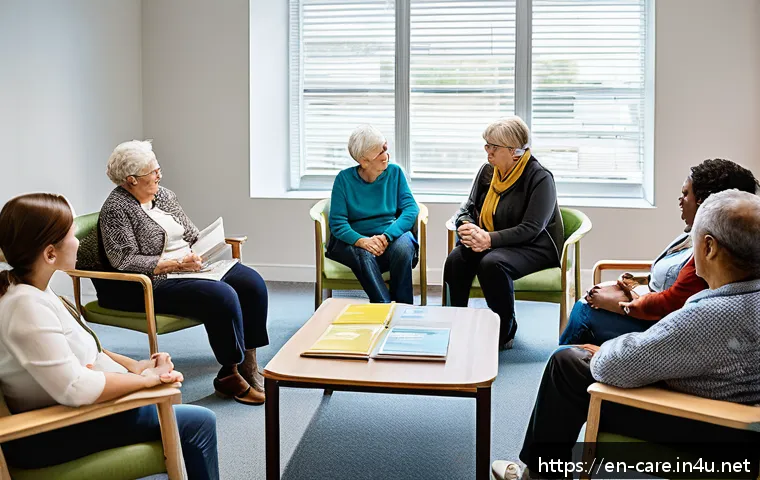
Let’s be honest, the thought of visiting an assisted living or long-term care facility for a loved one can stir up a whirlwind of emotions. I know it certainly did for me recently when I found myself navigating this incredibly personal and often overwhelming journey.

It’s more than just checking off a list of amenities; it’s about finding a place where our cherished family members can truly thrive, feel respected, and maintain their dignity, a place that genuinely feels like home.
With our global population aging, and care options constantly evolving, understanding what truly makes a facility exceptional has never been more crucial.
From innovative tech integrations making daily life smoother and safer, to the warmth of the staff and the vibrancy of the community, there’s so much to consider that often goes beyond glossy brochures.
I’ve learned firsthand that approaching this decision with a proactive mindset, armed with the right questions, can transform a daunting task into a truly empowering one for both you and your loved one.
I’ve recently had the chance to dive deep into what truly makes a difference in these environments, exploring everything from the latest person-centered care models to how modern facilities are embracing technology for better engagement and health outcomes.
Trust me, the landscape of senior care is changing rapidly, offering more personalized and enriching experiences than ever before. If you’re wondering how to approach this significant decision, or simply curious about the modern face of long-term care, you’re absolutely in the right place.
Let’s dive in and explore this further together!
Understanding the Spectrum of Senior Living Options
When my family started looking into care for my loved one, I honestly felt like I was drowning in a sea of terminology. Assisted living, skilled nursing, memory care – it was all so confusing, and frankly, a bit overwhelming.
But I quickly learned that understanding these different options is your first and most crucial step in finding the perfect fit. It’s not a one-size-fits-all world, and what works beautifully for one person might be entirely wrong for another.
I remember thinking, “Surely there’s a simple guide for this!” And while there isn’t one perfect answer, getting clear on the distinctions really brought a lot of peace of mind to our decision-making process.
It felt like I was finally speaking the right language to the professionals, which made all the difference in asking the right questions and getting accurate information.
We dove deep into what each facility offered, not just on paper, but by truly seeing the daily life there.
Assisted Living vs. Skilled Nursing: Knowing the Difference
This was a big one for me to wrap my head around. Assisted living, as I came to understand it, is perfect for seniors who can largely maintain their independence but might need a little help with daily activities like bathing, dressing, medication management, or meal preparation.
Think of it as supportive living where they have their own apartment-style space, a vibrant community, and scheduled activities, but help is always at hand if needed.
It’s about maintaining autonomy while getting that extra layer of support. On the other hand, skilled nursing facilities, often called nursing homes, provide a higher level of medical care and supervision.
This is for individuals who require 24/7 skilled nursing care, rehabilitation services, or have complex medical needs that necessitate constant professional oversight.
My own experience showed me that facilities often have both, but understanding the primary focus of each wing or building is essential. It truly highlighted how important it is to assess the current and projected future needs of your loved one, not just their present situation.
It’s a huge distinction in terms of the environment, the level of medical intervention, and naturally, the cost.
Memory Care Units: Specialized Support
Navigating the nuances of memory care was particularly eye-opening. When a loved one is dealing with Alzheimer’s disease or other forms of dementia, their needs are incredibly specific and require a different kind of environment and approach.
Memory care units are specially designed spaces within assisted living or skilled nursing facilities, or sometimes standalone communities, that cater to these unique challenges.
I found that these units often feature secure environments to prevent wandering, specialized programming designed to engage residents with cognitive impairment, and staff extensively trained in dementia care techniques.
It’s not just about safety; it’s about creating a calm, structured, and stimulating environment that reduces anxiety and promotes a sense of purpose. I saw firsthand how staff in these units have a remarkable patience and understanding that is truly vital.
They often use person-centered approaches, focusing on the individual’s history and preferences to create a more meaningful daily experience. For families facing these particular challenges, identifying facilities with robust, dedicated memory care programs is absolutely non-negotiable.
Navigating the Financial Maze: Costs and Funding Options
Let’s be honest, talking about money for long-term care can feel like walking through a minefield. It’s easily one of the most daunting aspects of this entire journey, and I certainly felt the weight of it.
The costs can be staggering, and it’s natural to feel overwhelmed by the numbers you see. I remember my jaw hitting the floor a few times when I looked at monthly fees.
But what I quickly realized is that while the sticker price can be shocking, there are numerous avenues and resources available to help make these essential services more accessible.
It really is about rolling up your sleeves, doing your homework, and not being afraid to ask every single question you have. My advice? Don’t assume anything.
Get every detail in writing and understand exactly what’s included and what might incur additional charges. This part of the journey requires a fair bit of research and advocacy, but it’s absolutely worth the effort to ensure your loved one receives the best possible care without completely depleting family resources.
Breaking Down the Monthly Bill
Understanding what exactly you’re paying for is key. The monthly cost for assisted living or skilled nursing typically covers a base rate that includes room and board, meals, utilities, and some level of personal care.
However, what I found surprising were the “extras” that could quickly add up. Services like laundry, transportation to appointments, medication management, or specialized therapies might be charged separately, often based on a tiered system related to the level of care required.
Some facilities offer “all-inclusive” pricing, which can be simpler, but you still need to verify what “all-inclusive” truly means for *them*. I made sure to get a detailed breakdown of every potential charge, from personal hygiene items to incontinence supplies.
Don’t forget to ask about entry fees, often called “community fees,” which are typically a one-time charge. These fees can vary wildly, and sometimes they’re negotiable.
I learned that having a transparent conversation about all potential costs upfront, including potential increases over time, is absolutely critical for financial planning and avoiding unwelcome surprises down the road.
Exploring Medicare, Medicaid, and Long-Term Care Insurance
These three programs are often the first things people think of when considering financial aid for long-term care, and understanding their roles is crucial.
What I discovered is that Medicare, our federal health insurance program, generally *does not* cover long-term custodial care – meaning help with daily activities.
It might cover short-term skilled nursing care after a hospitalization, but that’s usually for a limited period. This was a common misconception I had.
Medicaid, on the other hand, is a joint federal and state program that *does* cover long-term care for individuals with limited income and assets. The eligibility requirements are stringent and vary by state, but it’s a vital lifeline for many.
Long-term care insurance is a private option that helps cover these costs, but it needs to be purchased well in advance of needing care. I personally looked into this for myself after going through this process!
The policies have waiting periods and benefit caps, so understanding the specifics of your policy, or a loved one’s policy, is absolutely paramount. It can feel like deciphering a complex legal document, but it’s worth the time and effort to consult with a financial advisor specializing in elder care.
| Funding Source | What It Generally Covers | Key Considerations |
|---|---|---|
| Medicare | Short-term skilled nursing (post-hospitalization), home health care (limited). | Does NOT cover long-term custodial care. Time limits apply. |
| Medicaid | Long-term custodial care (nursing home, some assisted living), home & community-based services. | Income and asset limits; eligibility varies by state. |
| Long-Term Care Insurance | Assisted living, skilled nursing, home care, adult day care (depends on policy). | Private insurance; requires pre-planning; deductibles and benefit caps. |
| Veterans Benefits (e.g., Aid & Attendance) | Monthly cash benefit to help pay for care (home, assisted living, nursing home). | For eligible veterans and surviving spouses; specific service/disability requirements. |
| Private Pay / Savings | Any type of care. | Depletes personal assets; no financial eligibility requirements. |
The Human Touch: Staffing and Community Vibe
When I finally started visiting facilities, I quickly realized that beyond the brochures and the sparkling common areas, the true heart of any senior living community lies in its people.
You can have the most beautiful building, but if the staff isn’t compassionate, engaged, and genuinely caring, it falls flat. I’ve always believed that the energy of a place comes from its people, and this is profoundly true in long-term care.
It’s not just about checking boxes for qualifications; it’s about observing the interactions, feeling the warmth (or lack thereof), and trusting your gut.
I remember one facility where the staff members knew every resident by name, even remembering their favorite type of coffee or their pet’s name. That attention to detail, that genuine connection, spoke volumes to me.
It made me feel like my loved one wouldn’t just be another face in the crowd but a truly valued individual.
Staff-to-Resident Ratios and Training
This is a critical, though often overlooked, factor. A high staff-to-resident ratio usually means more individualized attention and quicker responses to needs.
I made it a point to ask about this directly during my visits. While there isn’t one magic number, a facility that openly discusses their ratios and demonstrates a commitment to adequate staffing often indicates a higher quality of care.
Beyond numbers, I also delved into staff training. What kind of ongoing education do they receive, especially concerning specific conditions like dementia or mobility issues?
Are they trained in first aid and emergency procedures? I found that facilities with robust training programs often had more confident and capable staff, which, in turn, led to a more secure and comfortable environment for residents.
It truly reflects an investment in their team, and by extension, in the well-being of the residents. It’s a powerful indicator of how much a place truly values its residents’ safety and comfort.
Engagement and Activities: A Vibrant Life
For me, the goal wasn’t just to find a safe place; it was to find a place where my loved one could continue to *live* a vibrant and fulfilling life. That’s where the activity programming comes in.
I meticulously reviewed activity calendars, not just to see what was offered, but to gauge the variety and the level of resident engagement. Are there options for different interests and physical capabilities?
Do they encourage social interaction, intellectual stimulation, and physical activity? I looked for evidence of residents actively participating, laughing, and enjoying themselves.
Seeing residents genuinely engaged in a painting class or a lively discussion group was a huge green light for me. It’s easy for facilities to list a dozen activities, but seeing them in action, and seeing the joy they bring, is an entirely different matter.
It shows that the facility understands that life doesn’t stop when you move into assisted living; it simply continues in a new, supportive environment.
Technology’s Role in Enhanced Care and Safety
Back when I was first considering care options, I honestly didn’t give much thought to technology beyond a basic call button. But let me tell you, the landscape has changed dramatically!
I’ve been so impressed by how modern facilities are integrating innovative tech to not only enhance safety but also to truly improve the quality of life for residents.
It’s not about replacing human interaction; it’s about augmenting it and providing an extra layer of peace of mind. From discreet monitoring systems to engaging communication tools, technology is truly transforming what’s possible in senior care.
I remember seeing one system that could detect subtle changes in a resident’s gait, potentially signaling a fall risk *before* an accident even happened.
That kind of proactive approach, powered by tech, is a game-changer.
Smart Monitoring and Safety Systems
The advancements in smart monitoring have been particularly impressive. Forget just the standard pull cord; we’re now talking about sophisticated systems that learn a resident’s routine and can alert staff to unusual activity, like a sudden departure from their room at an odd hour or prolonged absence from their bed.
Some facilities even use discreet motion sensors or pressure pads that can detect if a resident has fallen and automatically alert staff without needing them to press a button.
This was a huge comfort to me, knowing that even in the quiet hours of the night, there’s an invisible safety net. Moreover, I’ve seen how some facilities utilize specialized alarm systems for memory care units that don’t sound a jarring noise, but rather send a silent alert to staff, maintaining a calmer environment for residents.
It’s all about making environments safer and allowing staff to respond more efficiently and effectively.
Engagement Through Digital Connections
Beyond safety, technology is also playing a fantastic role in keeping residents connected and engaged. I’ve encountered facilities that provide tablets pre-loaded with brain-stimulating games, video calling capabilities so residents can easily connect with family, and even virtual reality experiences that allow them to “travel” the world from the comfort of their chairs.
Imagine being able to revisit your childhood home or take a virtual tour of Paris! This kind of digital engagement is particularly wonderful for residents who might have limited mobility but still possess a vibrant curiosity.
It helps combat feelings of isolation, which can be a real concern in long-term care. I even saw one facility using digital photo frames that families could update remotely, creating a constant stream of new, cherished memories for their loved ones.
It’s a wonderful way to bridge distances and keep those vital family connections strong.
Personalized Care Plans: Beyond One-Size-Fits-All
One of the biggest lessons I learned on this journey is that truly exceptional care is never generic. Every single person has a unique life story, individual preferences, and specific needs, and a care plan should reflect that.
I was initially worried that my loved one would just become a number, another resident in a large facility. But my experience showed me that the best places understand this profoundly.
They don’t just ask about medical history; they ask about hobbies, routines, favorite foods, even preferred times to wake up or go to bed. It’s this deep dive into the individual that truly elevates care from adequate to outstanding.
It shows respect and a genuine desire to maintain their dignity and quality of life, something I deeply valued. It’s about remembering that behind every need for care is a whole, vibrant person.

Developing an Individualized Service Plan
When you’re touring facilities, ask pointedly about how they develop an “Individualized Service Plan” or ISP. This isn’t just a formality; it should be a living document that outlines every aspect of a resident’s care, from medication schedules to dietary restrictions, personal care assistance, and even social preferences.
I found that the best facilities involved the resident and their family actively in the creation of this plan. They listened carefully to our input and made sure our loved one’s voice was heard, even if it was through us.
This process felt empowering, like we were co-creating their future. It’s a comprehensive approach that considers not just physical health, but also emotional well-being, spiritual needs, and social engagement.
Make sure to ask how often these plans are reviewed and updated, as needs can change over time.
Flexibility and Adaptability in Care
Life is unpredictable, and needs can evolve. What might be appropriate care today could change significantly in six months. This is why I stressed the importance of a facility’s flexibility and adaptability when discussing care plans.
Can they seamlessly adjust the level of support as needed? For instance, if a resident’s mobility declines, can they easily transition to a higher level of physical assistance without having to move to an entirely new facility?
What if they require temporary rehabilitation services after a hospital stay? The ideal scenario is a community that offers a continuum of care, allowing residents to age in place as much as possible, surrounded by familiar faces and environments.
This reduces the stress and disruption of multiple moves, which can be particularly hard on seniors. It truly reflects a facility that puts the resident’s long-term comfort and stability at the forefront.
Red Flags and Green Lights: What to Look For
Visiting multiple assisted living and long-term care facilities can feel a bit like detective work, but it’s absolutely essential. I quickly developed an intuitive sense for what felt right and what raised a tiny alarm bell in my head.
Beyond the pristine lobbies and glossy brochures, there are subtle cues that tell a much deeper story about the quality of care and the overall atmosphere.
Trust me, your gut feeling is a powerful tool here. Don’t dismiss those little whispers of concern, and conversely, pay close attention to the places that just *feel* right.
This is where your personal experience and observations become invaluable, far more so than any checklist alone. It’s about truly immersing yourself in the environment and observing life as it unfolds there, not just as presented during a scheduled tour.
Spotting the Subtle Warning Signs
During my visits, I made a point of looking for things that might indicate underlying issues. Unanswered call lights, even for a short time, were a definite red flag.
The smell of urine or strong deodorizers could suggest inadequate cleanliness or staffing issues. Observe the residents: do they seem engaged or are many of them just sitting idly with little interaction?
Are they well-groomed and appropriately dressed for the weather? What about the staff? Do they seem rushed, overwhelmed, or do they take time to chat with residents and visitors?
A high staff turnover rate, which you can sometimes infer from casual conversations or by asking directly, can also be a warning sign of a challenging work environment that might impact care quality.
Don’t be afraid to visit at different times of the day, unannounced if possible, to get a more accurate picture.
Embracing the Positive Indicators
Conversely, there were so many positive indicators that truly stood out. A welcoming, clean, and well-maintained environment is a given, but look deeper.
Are residents actively participating in activities, laughing, and interacting with each other and staff? Do staff members seem genuinely happy in their work and show warmth and respect towards residents?
Good communication is another huge green light – does the staff readily answer your questions, and do they seem transparent? Look for personalized touches in resident rooms, indicating that individuals are encouraged to make their spaces their own.
Delicious and varied meal options, with residents genuinely enjoying their food, also speak volumes about attention to detail and quality of life. Ultimately, a facility where you can envision your loved one thriving, feeling safe, respected, and genuinely cared for, is the biggest green light of all.
Making the Move: Transitioning Smoothly
Okay, so you’ve done your research, asked all the tough questions, and finally made “the decision.” Congratulations! That’s a huge step. But trust me, the journey doesn’t end there.
The actual transition itself can be a really emotional and challenging time, both for your loved one and for your entire family. I remember feeling a mix of relief that we’d found a place, but also a pang of guilt and sadness about the change.
It’s totally normal to feel a whirlwind of emotions. My biggest takeaway? Preparation and communication are your best friends during this phase.
It’s about minimizing surprises and maximizing comfort, making the new environment feel as welcoming and familiar as possible. This isn’t just a physical move; it’s an emotional and psychological one that deserves thoughtful planning.
Preparing for the Big Day
Preparation really is everything. Before the move, involve your loved one in the process as much as they are able. Let them choose what personal items, photos, and cherished mementos they want to bring.
Familiar items can provide immense comfort and a sense of continuity in a new setting. I made sure to pack their favorite blanket, a few beloved books, and a special framed photo.
Talk to the facility about what furniture and belongings are allowed and what they provide. Discuss their daily routine with the staff so they can help maintain as much normalcy as possible.
If your loved one has pets, ask about the facility’s pet policy – sometimes they can bring a small companion, which can be incredibly soothing. The more details you can iron out beforehand, the less stress there will be on moving day.
Supporting Emotional Adjustment
The emotional adjustment period can vary greatly from person to person. Some might adapt quickly, while others may experience sadness, confusion, or even anger.
This is where patience and understanding come into play. I found that frequent, but not overwhelming, visits in the initial weeks were helpful. It showed continuous support without creating too much disruption.
Engage them in activities at the facility, introduce them to other residents and staff, and help them explore their new surroundings. Encourage them to personalize their room.
Open communication with the facility staff is also crucial – they are experienced in helping residents adjust and can offer valuable insights and support.
Remember, it’s a marathon, not a sprint. There will be good days and challenging days, but with consistent support and a loving presence, the transition can become a positive new chapter.
Your Peace of Mind: Post-Placement Follow-Up
Finding the right long-term care facility for a loved one is a huge undertaking, and when the move is done, you might feel a sense of accomplishment. I certainly did.
But I quickly realized that the process doesn’t end the day they move in; in fact, a new, important phase begins: ongoing advocacy and follow-up. It’s about maintaining communication, staying involved, and continually ensuring that the care being provided aligns with your loved one’s needs and the standards you expect.
This isn’t about being overbearing; it’s about being an engaged and informed family member who plays an active role in their well-being. My experience taught me that being present and proactive is the best way to ensure consistent, high-quality care.
Staying Connected and Engaged
Regular visits are, of course, essential. But it’s not just about showing up. Use your visits as opportunities to observe.
How does your loved one seem? Are they happy, comfortable, and well-cared for? Observe their interactions with staff and other residents.
Look for changes in their demeanor, hygiene, or appetite. Beyond visits, maintain an open line of communication with the care staff. Get to know the nurses, caregivers, and activity coordinators.
They are on the front lines and can offer invaluable insights. Ask for regular updates on your loved one’s health, participation in activities, and any changes in their routine or needs.
My family established a primary point of contact at the facility, which streamlined communication immensely and ensured we were always in the loop regarding any important developments.
Advocacy and Addressing Concerns
Even in the best facilities, issues can arise. This is where your role as an advocate truly shines. If you notice something that concerns you, or if your loved one expresses dissatisfaction, address it promptly and respectfully with the appropriate staff members.
Start with the direct caregiver or nurse, then if needed, escalate to the charge nurse, director of nursing, or facility administrator. Keep a record of your concerns, whom you spoke with, and the resolution.
Most facilities genuinely want to provide excellent care and will be responsive to feedback. However, if concerns are not addressed to your satisfaction, remember that there are resources like ombudsman programs, state licensing agencies, and elder care attorneys who can provide guidance and intervention.
Being prepared to advocate for your loved one ensures that their voice is heard and their needs are continuously met.
Concluding Thoughts
This journey of navigating senior living options can feel like a marathon, full of emotional ups and downs. From deciphering the jargon of different care levels to wrestling with the financial complexities, and finally, finding a place where your loved one can genuinely thrive, it’s a profound experience.
What I’ve truly learned is that while it’s challenging, it’s also incredibly rewarding to be an advocate, to ask the tough questions, and to trust your intuition.
Ultimately, it’s about ensuring their golden years are filled with dignity, comfort, and the warmest care possible.
Useful Information to Know
1. Dive deep into understanding the different types of care—Assisted Living, Skilled Nursing, and Memory Care—before you even start visiting facilities. This clarifies your search and ensures you’re looking at the right places for your loved one’s specific needs.
2. Don’t shy away from the financial conversation. Explore all avenues, including Medicare, Medicaid, long-term care insurance, and veterans’ benefits. A financial advisor specializing in elder care can be an invaluable resource to help you navigate the costs.
3. Visit multiple facilities at different times of the day, and trust your gut. Pay close attention to the staff’s interactions with residents, the overall cleanliness, and the vibrancy of the community. These observations are often more telling than any brochure.
4. Prioritize open and consistent communication with the facility staff. Establish a primary point of contact and ask for regular updates on your loved one’s well-being and any changes in their care plan. Being an engaged family member makes all the difference.
5. Remember that the transition is an ongoing process. Provide emotional support, personalize their new space with familiar items, and patiently encourage engagement. Your loving presence and advocacy are crucial for a smooth and positive adjustment.
Key Takeaways
Finding the perfect senior living solution is a deeply personal journey that demands research, patience, and a whole lot of heart. My experience has shown me that truly great care comes from a place that values not just medical needs, but also the emotional well-being and individual dignity of each resident.
By staying informed, asking incisive questions, and maintaining a constant, loving presence, you can confidently navigate this landscape and secure a supportive, enriching environment for your loved ones.
It’s about building a partnership with a community that feels like home, ensuring peace of mind for everyone involved.
Frequently Asked Questions (FAQ) 📖
Q: Beyond the impressive amenities and beautiful grounds, what truly makes an assisted living or long-term care facility stand out and feel like a genuine home for our loved ones?
A: Oh, this is such a critical question, and one I grappled with personally. When you’re touring facilities, it’s easy to get swept away by the luxurious common areas or the promise of gourmet meals, and those are certainly lovely.
But what I’ve learned, what truly resonated with me and made a real difference, is the heart of the place. It’s about the people and the culture they create.
Does the staff genuinely know the residents by name? Do they understand their quirks, their favorite hobbies, that silly inside joke they might have? I remember visiting one facility where a caregiver knew exactly how one resident liked her tea prepared, down to the precise amount of sugar and a little lemon wedge, without even being asked.
It’s those small, heartfelt interactions that scream “I see you, I value you” far louder than any fancy chandelier. Look for a place that champions person-centered care, where the individual’s preferences, past experiences, and personality are truly woven into their daily life, not just a one-size-fits-all schedule.
When residents feel respected, heard, and understood, that’s when a facility transforms from just a building into a vibrant, living home where dignity truly flourishes.
It’s about the warmth, the genuine smiles, and that undeniable feeling of being part of a connected community where everyone matters.
Q: With technology evolving so quickly, how are modern assisted living facilities leveraging innovations to enhance the lives of residents, and what should families be looking for in terms of tech integration?
A: It’s incredible how much technology is transforming senior care, and honestly, it’s a game-changer! When I first started looking, I was picturing basic call buttons, but the reality now is so much more advanced and truly meaningful.
Modern facilities are embracing everything from sophisticated fall detection systems that alert staff instantly, to smart home features that can adjust lighting or temperature based on a resident’s preferences, promoting independence and comfort.
I was particularly impressed by facilities using virtual reality (VR) for therapeutic purposes, allowing residents to “travel” to exotic places or revisit their childhood homes from the comfort of their chairs.
Imagine the joy of seeing your childhood street again! Beyond safety and comfort, technology is fostering connection. Many places offer easy-to-use tablets for video calls with family, ensuring those precious faces are always just a tap away, even if miles separate you.
Some even have interactive “memory walls” displaying family photos and stories, which is just heartwarming. When you’re evaluating, ask about their approach to resident safety technology, but also push further: How do they use tech for engagement, for communication, and for personal enrichment?
Does it feel integrated and intuitive, or like an afterthought? The best facilities are using these tools not just for efficiency, but to genuinely enrich lives, spark joy, and maintain vital family connections.
Q: For families just starting this journey, what’s the most empowering advice you can give to navigate the often emotional and overwhelming process of choosing long-term care for a loved one?
A: Oh, this is deeply personal for so many of us, and I completely understand that “whirlwind of emotions” feeling. My biggest piece of advice, something I wish I’d fully grasped from the very beginning, is to approach it proactively and with an open heart.
Don’t wait until a crisis hits, because that just magnifies the stress. Start researching and visiting facilities before it feels urgent. This gives you time to absorb information, ask all your questions without pressure, and truly get a feel for different environments.
Secondly, and this is so crucial, involve your loved one in the conversation as much as possible, as early as possible. Frame it as exploring options for their future comfort and well-being, rather than making a decision for them.
I found that by presenting it as a collaboration, where their preferences and feelings were at the forefront, it diffused a lot of potential resistance.
Let them voice their concerns, their hopes, and what truly matters to them. Finally, trust your gut. While checklists are important, that undeniable feeling you get when you walk into a place, the way staff interact with residents, the overall vibe – that’s invaluable.
If something feels off, it probably is. This journey is intensely personal, and it’s okay to feel overwhelmed, but remember you’re seeking a place where your loved one can continue to live a fulfilling life.
Arm yourself with questions, involve everyone you can, and most importantly, listen to that inner voice. You’ve got this.