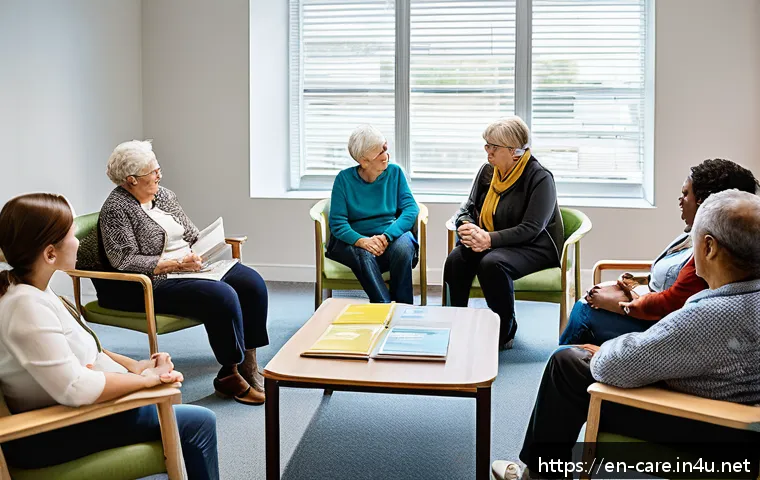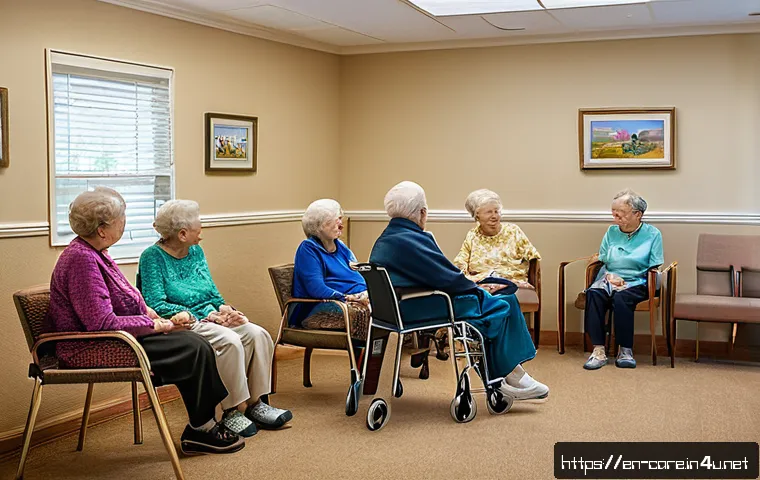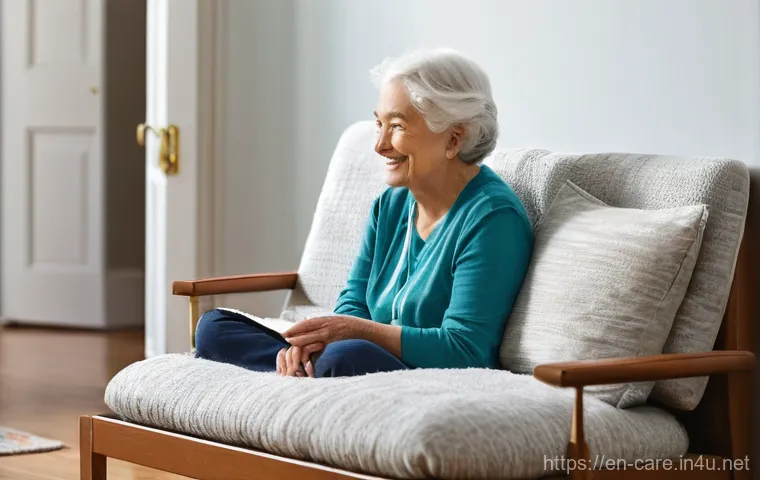
Alright, so you’ve just brought your loved one home from the nursing home – phew! That initial sigh of relief is huge, isn’t it? After weeks or even months of navigating appointments, therapy schedules, and endless paperwork, the thought of returning to the comfort of your own space feels like a true victory.
But then, as the dust settles, a new set of questions often starts to bubble up. What now? How do we keep this momentum going?
I’ve seen firsthand, and many of my friends have shared, that the transition from a structured nursing home environment back to home life can feel like stepping onto a whole new battlefield.
It’s not just about medication reminders or physical therapy; it’s about adapting routines, preventing readmissions, and really, truly thriving. With the advent of incredible telehealth solutions and personalized home care models becoming more accessible, navigating this period has new layers of opportunity, but also new challenges to understand, from managing unexpected financial considerations to ensuring the emotional well-being of everyone involved.
Trust me, you’re not alone in feeling a little overwhelmed or even excited about this next chapter. Let’s dive into some truly game-changing strategies and practical tips that can make all the difference.
Creating Your Comfort Zone: Making Home Truly Home Again
Bringing your loved one back from a nursing home isn’t just about getting them through the door; it’s about transforming your living space into a haven that supports their recovery and well-being. From my own experience, and what I’ve heard from countless others, this step is often underestimated. You might think, “Oh, we’ll just move their bed,” but it’s so much more. Think about safety first. I mean, seriously, tripping hazards are everywhere once you start looking. Rugs, loose wires, even poorly placed furniture can be a real problem. I remember helping my aunt set up her place after her hip surgery, and we spent an entire afternoon just clearing pathways and securing everything that could possibly lead to a fall. It’s not just about mobility aids, either; lighting plays a huge role. Dim corners can be disorienting, especially at night. Consider motion-sensor lights in hallways or bathrooms. Also, think about accessibility in the bathroom – grab bars, a shower chair, and a raised toilet seat aren’t just for hospitals; they’re vital for maintaining independence and dignity at home. It’s about creating an environment where they feel safe, comfortable, and, most importantly, capable. Don’t forget about personal touches too – familiar photos, their favorite blanket, music – these seemingly small things can make a monumental difference in their emotional adjustment and sense of belonging. This stage is about more than just physical adjustments; it’s about crafting a space that feels utterly safe and welcoming.
Simple Home Modifications for Enhanced Safety
When you’re thinking about adapting your home, start with the basics. Look at your floor plan through a new lens – what obstacles would be difficult for someone with limited mobility? Remove all throw rugs, secure any loose carpeting, and ensure clear, wide pathways, especially to the bathroom, bedroom, and kitchen. Trust me, you’d be surprised how many things can become trip hazards when you’re not looking. I personally found that even a beloved ottoman in the living room became a major obstacle. Installing grab bars in the shower and next to the toilet is a non-negotiable; this isn’t just about preventing falls, it’s about empowering your loved one to manage their personal care more independently. Good lighting, particularly in stairwells, bathrooms, and entryways, is crucial. Nightlights are your best friend here, especially in those late-night trips to the bathroom. Think about simple lever handles instead of doorknobs if hand dexterity is an issue. These modifications, while perhaps a bit of effort upfront, pay dividends in peace of mind and significantly reduce the risk of accidents.
Ergonomic Setups for Daily Living
Beyond safety, consider how you can make daily tasks easier and less strenuous. This often involves adjusting the height of frequently used items or creating dedicated ‘stations’. For instance, a comfortable chair with armrests and good back support can be a godsend. If they’re using a wheelchair or walker, ensure tables and countertops are at an accessible height. I helped a friend set up a small “hydration station” for her mom with water, a cup, and snacks easily within reach, preventing unnecessary trips to the kitchen. Think about where they’ll spend most of their time and optimize that area. Is their remote control, reading glasses, or phone always within easy reach? Small changes like these can minimize frustration and physical strain. Consider adaptive equipment like long-handled grabbers for reaching items, or specialized cutlery if fine motor skills are challenged. The goal here is to reduce the physical burden of everyday living, fostering independence and allowing them to conserve their energy for more meaningful activities or therapy exercises. It’s about thoughtful design, not just expensive equipment.
Mastering the Medication Maze and Appointment Juggling Act
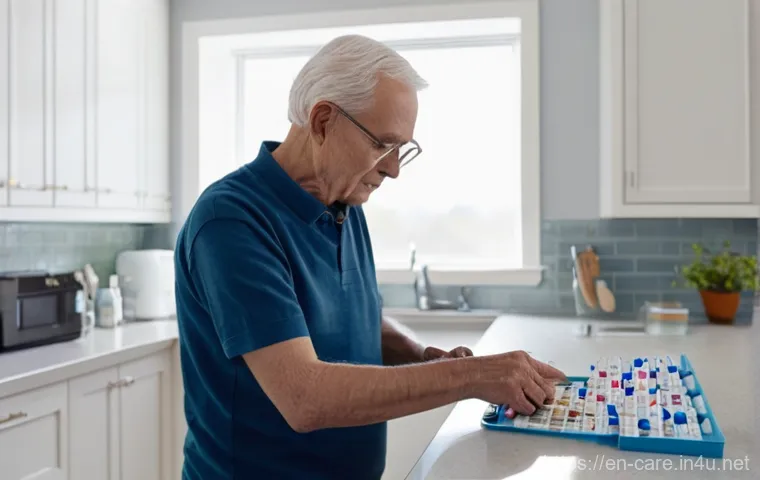
Let’s be real, managing medications after a nursing home stay can feel like trying to solve a Rubik’s cube blindfolded. I’ve been there, staring at a pile of prescriptions, each with its own dosage, time, and specific instructions, feeling completely overwhelmed. It’s not just about remembering to give the pills; it’s understanding *why* each one is important, what side effects to watch for, and how they interact. My best advice, something I learned the hard way, is to get a detailed, written medication schedule from the nursing home or hospital BEFORE discharge. Don’t leave without it. And then, double-check everything with their primary care physician or pharmacist. Seriously, ask all the “dumb” questions you have. We all know healthcare professionals are busy, but this is your loved one’s health we’re talking about. A good pill organizer, or even a smart dispenser that sends reminders, can be an absolute lifesaver. And then there are the follow-up appointments – physical therapy, occupational therapy, doctor check-ups, specialists. It’s a full-time job just scheduling and coordinating these! I found that creating a shared digital calendar or even a large whiteboard calendar in a central location really helped our family keep track. Communication is key here, not just with healthcare providers, but within your own family. Designate someone to be the primary point person, but ensure everyone knows the schedule. This whole process is daunting, but with a bit of organization and persistence, it becomes manageable.
Streamlining Medication Management Safely
Medication errors are a real and serious concern, especially during transitions of care. To prevent them, the absolute first step is a comprehensive medication reconciliation. Before discharge, sit down with the nursing home staff or hospital pharmacist and review every single medication, including over-the-counter drugs, supplements, and vitamins. Ask about the purpose of each medication, dosage, timing, and potential side effects. Don’t be afraid to ask for this information in writing. Once home, implement a robust system. A weekly pill organizer, clearly labeled for days and times, is a basic but incredibly effective tool. For those managing multiple medications, or with cognitive challenges, consider a smart medication dispenser that dispenses pills at programmed times and provides audible or visual reminders. I’ve personally seen these drastically reduce stress for caregivers. Keep a detailed medication log, noting when doses are given and any observed effects or side effects. This log will be invaluable for doctor appointments. Store all medications safely, out of reach of children or pets, and in a cool, dry place as instructed. Finally, establish a routine for refills well in advance, so you never run out of essential medications.
Mastering the Follow-Up Appointment Schedule
After discharge, the sheer volume of follow-up appointments can feel overwhelming. From post-op checks to ongoing physical therapy, occupational therapy, and specialist visits, it can quickly become a scheduling nightmare. My trick is to create a master calendar – whether it’s a large wall calendar or a shared digital calendar like Google Calendar – and input every single appointment immediately. Include the date, time, location, doctor’s name, and contact number. I also make it a habit to confirm appointments 24-48 hours beforehand. Transportation is another big hurdle; consider if medical transport services are needed, or if family members can coordinate rides. For physical and occupational therapy, consistency is vital. Try to schedule these at times that fit well within your loved one’s energy levels. If possible, attend these therapy sessions with your loved one to learn the exercises and techniques, so you can reinforce them at home. Don’t hesitate to ask therapists for printed instructions or even videos of exercises. Effective communication with all healthcare providers is crucial; make sure they are aware of each other’s roles in your loved one’s care. Remember, these appointments are critical for continued recovery and preventing setbacks.
Assembling Your A-Team: The Indispensable Support Network
You know, there’s this unspoken pressure when you bring a loved one home from a nursing home – this feeling that you have to be able to do it all yourself. I certainly felt it, and it nearly broke me. But let me tell you, that mindset is a one-way ticket to burnout. You absolutely, positively need a support system, an “A-Team” of people and resources who can step in. This isn’t a sign of weakness; it’s a sign of strength and smart caregiving. Start by identifying who’s in your immediate circle. Family, close friends, even neighbors who offer to help – take them up on it! Seriously, if someone asks, “What can I do?” don’t say, “Oh, nothing.” Have a list ready: pick up groceries, sit with them for an hour so I can nap, prepare a meal. I once had a friend drop off a week’s worth of frozen casseroles, and it was like a divine intervention. Beyond personal connections, explore professional support. This is where home health aides, skilled nursing visits, and even social workers come into play. Many agencies offer a range of services, from helping with personal care to administering medications. And don’t forget about respite care! Even a few hours or a day away can recharge your batteries more than you’d believe. Building this network is an ongoing process, but it’s foundational to sustainable caregiving. You’re not alone in this journey, even if it sometimes feels that way.
Leveraging Family and Friends for Daily Support
When it comes to caregiving, thinking you can do it all yourself is a recipe for exhaustion. I learned that lesson the hard way. The first step in building your support network is to openly communicate with family and friends. Don’t wait for them to offer; proactively reach out. Be specific about your needs. Instead of a vague “I need help,” try, “Could you sit with Mom on Tuesday afternoons for two hours so I can run errands?” or “Would you be able to pick up prescriptions once a week?” People genuinely want to help but often don’t know how. Assigning specific tasks, even small ones like meal preparation, light housekeeping, or grocery shopping, can significantly lighten your load. I even found a shared online calendar where family members could sign up for different shifts or tasks, which made coordination so much smoother. Regular family meetings, even short ones, can ensure everyone is on the same page and feels involved. Remember, shared responsibility doesn’t just benefit you; it allows other family members to connect with your loved one and contribute to their well-being. This collaborative approach fosters a stronger, more resilient care environment for everyone involved.
Tapping into Professional Home Care Services
While family and friends are invaluable, sometimes you need specialized, professional help. This is where home care services become essential. These services can range from skilled nursing for wound care or medication administration to physical and occupational therapy, and even non-medical assistance like personal care (bathing, dressing) or companionship. Navigating the options can be a bit of a maze, but it’s worth the effort. Start by checking what services are covered by insurance (Medicare, Medicaid, or private insurance often have specific criteria for home health). Agencies like Visiting Angels, Home Instead, or local non-profits can provide certified caregivers. When interviewing agencies, ask about their caregiver vetting process, training, and how they match caregivers to clients. I always recommend asking for references. A good home health aide can provide crucial support, not just for your loved one, but for your own well-being by giving you much-needed breaks. This professional assistance can ensure your loved one receives consistent, high-quality care while preventing caregiver burnout. Don’t view hiring help as a failure; view it as a strategic investment in long-term, sustainable care.
Navigating the Financial Landscape: Costs and Coverage
Let’s talk about the elephant in the room: money. Bringing a loved one home can quickly become a significant financial undertaking, and honestly, it’s rarely something you’re fully prepared for. Beyond the initial medical bills, there are ongoing costs for medications, adaptive equipment, professional home care, and even things like special dietary needs. I’ve seen families caught completely off guard, thinking insurance would cover everything, only to find themselves drowning in out-of-pocket expenses. This is why a proactive approach to understanding your financial situation and available resources is absolutely critical. Start by thoroughly reviewing their insurance policies – Medicare, Medicaid, private health insurance, long-term care insurance – whatever they have. Understand what’s covered for home health, durable medical equipment (DME), and therapy. Don’t just assume; call the insurance company directly and ask for clarification, preferably in writing. Look into community resources and state programs. Many states have waiver programs that can help cover the costs of home care for eligible individuals. It’s a lot of paperwork, sure, and sometimes feels like jumping through endless hoops, but that financial relief can be a game-changer. Consider consulting with a financial planner who specializes in elder care; they can often uncover resources you didn’t even know existed. Budgeting for these new expenses is paramount. Being realistic about the costs and exploring all avenues for assistance will help alleviate a huge source of stress during this transition.
Understanding Insurance Coverage and Benefits
Deciphering insurance policies can feel like reading a foreign language, but it’s absolutely essential for managing the financial aspects of home care. Start by thoroughly reviewing all relevant policies: Medicare, Medicaid, private health insurance, and any long-term care insurance your loved one might have. For Medicare, understand the difference between Part A (hospital insurance) and Part B (medical insurance), as home health care is primarily covered under Part A and sometimes Part B under specific conditions, often requiring skilled services and being homebound. Medicaid offers more comprehensive home and community-based services, but eligibility is income and asset-based. Private insurance plans vary wildly, so a direct call to their customer service is non-negotiable. Ask specific questions: what services are covered (e.g., skilled nursing, physical therapy, occupational therapy, home health aides)? What are the limits (e.g., number of visits, duration)? What are the co-pays, deductibles, and out-of-pocket maximums? I always recommend documenting every conversation, including the date, time, and the representative’s name. This paper trail can be incredibly helpful if disputes arise. Don’t be shy about asking for written confirmation of coverage details; it’s your right and your safeguard.
Exploring Community Resources and Financial Assistance Programs
Beyond traditional insurance, a wealth of community and governmental resources can provide significant financial relief and support for home care. Many states offer Medicaid waiver programs (often called Home and Community-Based Services waivers) that can cover the cost of services like personal care, case management, and respite care for eligible individuals, allowing them to stay at home instead of a nursing facility. These programs often have specific eligibility criteria, so it’s crucial to research what’s available in your state. Local Area Agencies on Aging (AAAs) are fantastic resources; they can connect you to various programs, support groups, and financial aid options for seniors. Non-profit organizations specializing in specific conditions (e.g., Alzheimer’s Association, American Heart Association) often have assistance programs or grants for equipment and care. Veterans’ benefits, if applicable, can also be a significant source of aid, including Aid & Attendance benefits for certain wartime veterans and their spouses. Don’t overlook local senior centers or hospitals, which often have social workers or navigators who can help you identify and apply for these often underutilized programs. It’s a bit of legwork, but these resources can truly make home care sustainable.
| Aspect of Care | Key Considerations for Home Transition | Potential Resources/Tips |
|---|---|---|
| Home Environment | Safety hazards, accessibility, comfort, familiarity. | Grab bars, ramp installation, clear pathways, motion sensor lights, beloved personal items. |
| Medical Management | Medication schedule, understanding side effects, managing appointments. | Medication reconciliation, pill organizers, digital calendars, asking questions to providers. |
| Support Network | Caregiver burnout, need for breaks, specialized assistance. | Family/friend delegation, professional home health aides, respite care, support groups. |
| Financial Planning | Insurance coverage, out-of-pocket costs, community aid. | Review policies, consult financial advisors, explore Medicaid waivers, Area Agencies on Aging. |
| Emotional Well-being | Depression, anxiety, isolation for both patient and caregiver. | Open communication, counseling, social activities, caregiver self-care, pet therapy. |
Nurturing Mental and Emotional Health: Theirs and Yours

Okay, so we’ve covered the physical space, the meds, and the logistics. But honestly, for me, the emotional aspect was the most challenging and often overlooked part of bringing my loved one home. It’s a huge adjustment for everyone involved. Your loved one might experience a mix of relief, anxiety, confusion, or even depression. After the structured environment of a nursing home, the freedom of home can sometimes feel overwhelming, leading to feelings of isolation or a loss of purpose. I remember my dad struggling with the quietness after being surrounded by people and activities. It’s crucial to acknowledge these feelings, validate them, and create opportunities for engagement. Encourage social interaction, even if it’s just a phone call with a friend or a short visit from a family member. If they were involved in activities at the nursing home, try to find similar options in the community or adapt them for home. And don’t forget *your* emotional well-being. Caregiver burnout is real, and it hits hard. You might feel guilty taking a break, but you absolutely need to. Find a support group, talk to a trusted friend, or even consider counseling. I know it sounds cliché, but you truly can’t pour from an empty cup. Prioritizing mental health for both the care receiver and the caregiver isn’t a luxury; it’s a necessity for a successful and harmonious transition.
Addressing Emotional Challenges in Your Loved One
The transition from a nursing home back to home can trigger a complex array of emotions in your loved one. While there’s often immense relief, feelings of anxiety, fear of re-injury, depression, or even a sense of loss for the social connections made in the facility are not uncommon. It’s vital to be observant and empathetic. Look for subtle changes in mood, appetite, or sleep patterns. Create a predictable daily routine, which can provide a sense of security and control. Encourage engagement in hobbies and interests they enjoyed before, even if adapted. If they miss the social interaction of the nursing home, explore local senior centers, adult day programs, or even virtual social groups. Simple things like regular family visits, phone calls from friends, or gentle walks outdoors (if permissible) can make a huge difference. If you notice persistent sadness, withdrawal, or significant changes in behavior, don’t hesitate to contact their doctor. They might benefit from a consultation with a mental health professional, as depression is common in this demographic. Validating their feelings and providing consistent emotional support is just as important as managing their physical health.
Prioritizing Caregiver Mental Health and Support
While focusing on your loved one’s emotional well-being, it’s absolutely critical not to neglect your own. Caregiving is incredibly rewarding, but it’s also profoundly demanding, both physically and emotionally. I can’t stress this enough: caregiver burnout is a very real threat, and it can creep up on you without warning. Make a conscious effort to schedule “me time,” even if it’s just 30 minutes to read a book, take a walk, or listen to music. Respite care, whether through family, friends, or professional services, is not a luxury; it’s a necessity to recharge your batteries. Connecting with other caregivers in support groups, either in person or online, can provide an invaluable sense of community and shared understanding. Hearing others’ experiences and realizing you’re not alone in your struggles is incredibly validating. Don’t hesitate to seek professional help yourself if you’re feeling overwhelmed, persistently sad, or experiencing symptoms of anxiety or depression. A therapist can provide coping strategies and a safe space to process your emotions. Remember, taking care of yourself isn’t selfish; it’s essential for you to continue providing the best possible care for your loved one without sacrificing your own health.
Embracing Modern Solutions: Telehealth and Smart Home Tech
Okay, let’s talk about the future, which is pretty much the present now, when it comes to home care. Telehealth and smart home technology are no longer just buzzwords; they’re truly game-changing tools that can make managing care at home so much smoother and less stressful. I mean, think about it: instead of packing up your loved one, navigating traffic, and waiting endlessly at a doctor’s office for a quick follow-up, you can have a video consultation right from your living room! This has been a godsend for countless families, reducing exposure to germs, saving travel time, and often making appointments more accessible for those with mobility issues. But it’s not just about virtual doctor visits. Smart home devices can offer incredible peace of mind. Things like smart doorbells with cameras, fall detection sensors, and even medication reminders integrated into voice assistants can provide an extra layer of safety and monitoring without being intrusive. I’ve heard stories of families using smart plugs to turn lights on and off remotely, or smart thermostats to ensure comfort. It’s all about using technology to empower independence and enhance safety, allowing you to provide attentive care without being physically present every single second of the day. Embracing these innovations can truly elevate the quality of home care.
Maximizing Telehealth for Convenient Care
Telehealth has revolutionized how we access medical care, and for individuals transitioning home from a nursing facility, it’s an absolute blessing. Imagine avoiding the arduous process of getting your loved one dressed, into a car, and into a doctor’s waiting room for routine check-ups or medication reviews. With telehealth, many follow-up appointments, specialist consultations, and even mental health sessions can be conducted via video call from the comfort of home. This not only saves immense time and effort but also reduces exposure to potential infections, which is critical for vulnerable individuals. Make sure your loved one has a comfortable, quiet space for these calls, and that their device (tablet, smartphone, computer) is charged and ready. Test the audio and video beforehand. I always recommend having a list of questions and observations ready for the doctor, just as you would for an in-person visit. Telehealth isn’t meant to replace all in-person care, but it significantly streamlines routine management and allows for quicker access to advice when non-urgent concerns arise, making continuous care more accessible and less disruptive to their daily life.
Integrating Smart Home Technology for Enhanced Safety and Independence
Smart home technology offers an incredible array of tools that can enhance both the safety and independence of your loved one at home. Think beyond basic smart speakers. Devices like smart fall detection sensors, which can alert you or emergency services if a fall occurs, provide an invaluable layer of security, especially when you can’t be there 24/7. Smart medication dispensers can be programmed to release doses at specific times, with audible reminders and alerts sent to your phone if a dose is missed. Smart home cameras, strategically placed (with consent, of course), can allow you to check in visually and provide peace of mind. Consider smart plugs that can turn lights on automatically in the evening or if someone gets up at night, reducing trip hazards. Voice-activated assistants can be set up to make calls, control lights, or even play calming music. The key is to introduce these technologies thoughtfully, explaining their benefits to your loved one and ensuring they feel comfortable with them. These tools aren’t about surveillance; they’re about empowering individuals with increased safety and autonomy, allowing them to age in place more confidently while offering caregivers a much-needed sense of security.
Proactive Steps to Sidestep Readmissions: Staying Home for Good
The last thing any of us wants after bringing a loved one home is for them to end up back in the nursing home or hospital. It’s a gut-wrenching thought, and honestly, the cycle of readmission is all too common if we’re not vigilant. The good news is, a lot of it is preventable with proactive planning and consistent effort. I’ve seen firsthand how a little foresight can go a long way. It’s not just about managing the current illness; it’s about understanding the underlying vulnerabilities. For instance, are they eating and drinking enough? Dehydration and malnutrition are silent culprits that can lead to a host of problems. Are they following their physical therapy exercises, even when it feels tedious? Consistency here is key to regaining strength and mobility. And let’s not forget about monitoring for subtle changes. A slight cough, a change in mood, or a small increase in swelling might seem minor, but these are often the early warning signs that something bigger is brewing. My personal rule of thumb is: when in doubt, call the doctor. It’s always better to be overly cautious than to wait until a small issue becomes an emergency. Establishing clear communication channels with their primary care physician and having a low threshold for reaching out can make all the difference in keeping them home and healthy.
Vigilant Monitoring for Early Warning Signs
One of the most critical aspects of preventing readmission is becoming an astute observer of your loved one’s health and well-being. This isn’t about being paranoid; it’s about being proactive. Regularly monitor their vital signs if you have the equipment, such as blood pressure or blood sugar, as advised by their doctor. Pay close attention to changes in appetite, hydration levels, and sleep patterns. A sudden loss of appetite or refusal to drink can quickly lead to dehydration or electrolyte imbalances, which are common causes of rehospitalization. Observe their mobility and gait; any new unsteadiness or reluctance to move could indicate pain or weakness. Be alert for signs of infection, such as fever, chills, increased pain, or changes in wound appearance. Mental status changes, like increased confusion, lethargy, or agitation, also warrant immediate attention. Keep a simple log where you note any concerning symptoms, when they started, and what you’ve done about them. This detailed information will be invaluable when communicating with healthcare providers, enabling them to diagnose and intervene quickly before a minor issue escalates into a crisis requiring rehospitalization.
Maintaining an Active and Engaging Lifestyle at Home
Preventing readmissions isn’t solely about medical management; it’s also profoundly about maintaining physical and cognitive engagement. After a nursing home stay, many individuals lose strength and motivation. Encouraging continued physical activity, within their limits and as advised by therapists, is crucial. This could mean daily walks, seated exercises, or simply moving around the house more frequently. Consistency with prescribed physical and occupational therapy exercises is paramount for regaining and maintaining functional independence. Beyond the physical, keeping their minds active is just as important. Engage them in activities they enjoy, such as reading, puzzles, card games, listening to music, or light gardening. Social interaction is also a powerful preventive measure; loneliness and isolation can significantly impact both physical and mental health, increasing vulnerability to illness. Arrange for regular visits from family and friends, or explore local senior social programs. The goal is to create an environment that fosters continued recovery, promotes overall well-being, and reduces the risk factors that often lead to a return to institutional care. A vibrant, engaged life at home is truly the best defense.
Wrapping Things Up
Bringing a loved one back home from a nursing facility is truly a journey, not a sprint. It’s filled with moments of immense joy, unexpected challenges, and incredible learning opportunities for everyone involved.
My biggest takeaway, after watching countless families navigate this intricate path, is that while it takes immense effort and thoughtful planning, the profound reward of seeing your loved one thrive and reclaim their independence in their own familiar space is absolutely priceless.
Remember to extend grace to yourself and your loved one throughout this entire transition, celebrating every single small victory and acknowledging the big steps.
You’re not just managing care; you’re building a stronger foundation for their continued well-being, and that, my friends, is an extraordinary act of love and dedication.
Handy Tips to Keep in Mind
1. Medication Reconciliation is Crucial: Before discharge, insist on getting a written, detailed list of ALL medications, including over-the-counter drugs, their dosages, and precise timing. Don’t hesitate to double-check every single item with their primary care physician or pharmacist. This proactive step alone can prevent so many potential dangers and reduce daily stress immensely.
2. Build Your Support Squad: Trust me on this one: you absolutely cannot, and should not, try to do this alone. Proactively identify family members, close friends, or professional home care services that can provide much-needed respite, assist with errands, or simply offer companionship. Learning to delegate tasks isn’t a sign of weakness; it’s the hallmark of smart, sustainable caregiving.
3. Perform a Thorough Home Safety Audit: Go room by room, seeing your living space through the eyes of someone with limited mobility. Identify and immediately remove all potential tripping hazards like loose rugs, electrical wires, or clutter. Ensure you install sturdy grab bars where needed, optimize lighting, and arrange furniture to create clear, wide pathways. Safety always comes first!
4. Prioritize Your Own Well-being: This is non-negotiable. Caregiver burnout is a very real threat that can sneak up on you. Make a conscious effort to schedule regular “me-time,” even if it’s just 30 minutes to read, take a walk, or listen to music. Connect with other caregivers in support groups. Remember, you are the foundation of your loved one’s care, and an empty cup truly can’t pour.
5. Embrace Modern Solutions: Don’t shy away from technology! Look into how telehealth can provide convenient, virtual appointments, saving you time and stress. Explore smart home technologies like discreet fall detection sensors, automated medication reminders, or voice-activated assistants. These tools can significantly enhance safety and independence, offering invaluable peace of mind for everyone.
Key Takeaways for a Smooth Transition
Bringing a loved one home is a significant undertaking, truly a marathon rather than a sprint, and achieving lasting success hinges on a few core pillars that I’ve seen work wonders. First and foremost, proactive planning for a safe, accessible, and comfortable home environment is absolutely non-negotiable, addressing everything from ensuring clear pathways to installing crucial grab bars. Secondly, meticulous medication management and diligent coordination of follow-up appointments are paramount to prevent any setbacks and keep their recovery on track. Thirdly, building a robust and reliable support network – drawing on the help of family, friends, and professional home care services – is crucial not only for your loved one’s ongoing care but, just as importantly, for safeguarding your own well-being. Seriously, don’t shy away from asking for and accepting help! Fourth, understanding the financial landscape and leveraging all available insurance benefits and community resources can significantly alleviate what is often a huge source of stress. Finally, and perhaps the most impactful insight, nurturing the emotional health for both the care recipient and the caregiver is foundational for a truly successful, harmonious, and sustainable transition back home. Every thoughtful step you take towards creating a supportive and loving home environment is a powerful testament to your unwavering dedication.
Frequently Asked Questions (FAQ) 📖
Q: How can I ensure a smooth transition and maintain their health routine at home, especially with medication and therapies?
A: Oh, this is the big one, isn’t it? When my Aunt Carol came home, I thought I had everything mapped out. Boy, was I wrong!
It’s not just about picking up prescriptions; it’s about weaving their entire care plan into the fabric of your daily life. My number one piece of advice?
Create a visual schedule. I literally used a big whiteboard in the kitchen, listing meds, therapy times, and even meal reminders. This isn’t just for them; it’s a lifesaver for you too, especially on those hazy mornings.
What truly made a difference for us was leveraging technology. Remember how the nursing home had their therapists? We found incredible success with telehealth physical therapy sessions.
It saved us trips out, and my aunt felt more comfortable doing her exercises in her own space. We also scheduled regular check-ins with her doctor via video calls.
This kept everyone on the same page and made it feel less like a clinical ordeal and more like a supportive team effort. Don’t be afraid to reach out to the nursing home’s discharge planner for a detailed care summary and ask about any specific challenges they observed.
They’ve seen it all, and their insights are golden. And honestly, for medications, a good pill organizer with alarms – not just any, but one that really nags you – is a non-negotiable.
I use one that connects to my phone, and it’s been a game-changer for my own peace of mind, knowing I won’t accidentally miss a dose.
Q: What are some unexpected financial aspects or costs I should be prepared for when bringing my loved one home?
A: This is where things can get a little tricky, and it’s often the area most people feel blindsided by. When my friend Sarah brought her dad home, she was ready for the prescription costs, but totally unprepared for the hidden expenses that piled up.
Beyond the obvious, like increased grocery bills or co-pays for follow-up appointments, think about home modifications. Even seemingly small things like grab bars in the bathroom, a shower chair, or a ramp for a couple of steps can add up fast.
And if your loved one needs specific medical equipment – a commode, a walker, or even specialized bedding – insurance might cover some, but often not all, and the upfront cost can be a shocker.
Then there are the utility bills. Suddenly, you’re running the AC more, doing extra laundry, or using medical devices that draw power. It sounds small, but over months, it’s noticeable.
And don’t forget the potential need for respite care or even a few hours of professional home care support if you need a break or have to work. That’s a significant line item!
My advice? Start a dedicated “caregiving” savings pot now. Even if it’s just a few dollars a week, it gives you a buffer for those unexpected costs.
And really dig into what your loved one’s insurance, be it Medicare, Medicaid, or private, actually covers for home health services, durable medical equipment, and rehabilitation.
Don’t assume anything; call them directly and get everything in writing. It’s tedious, but it will save you headaches and hundreds, if not thousands, of dollars down the road.
Q: Beyond physical care, how can I best support my loved one’s emotional well-being and prevent feelings of isolation or a return to the nursing home?
A: This is probably the most crucial, yet often overlooked, part of the transition. We focus so much on the physical recovery, but the emotional journey is just as vital.
When my grandma came home, she initially felt a huge sense of relief, but after a few weeks, a quiet sadness started to creep in. She missed the daily interactions, even the mundane ones, at the nursing home.
What I learned, and what I really want to emphasize, is the power of purpose and connection. Try to re-engage them in hobbies they loved before. Even if they need modifications – maybe they loved gardening but now need raised garden beds, or they enjoyed reading but now need large print books or an e-reader with adjustable font.
These small acts of re-connection can make a world of difference. Encourage social interaction, not just with family, but with old friends or community groups.
Sometimes a simple video call with a friend can brighten their entire day. For my grandma, we found a local senior center that offered virtual book clubs, and it was like a light switched back on.
It gave her a sense of belonging outside of our immediate family. Also, be incredibly mindful of their psychological state. Loneliness and depression are real risks, and they can absolutely contribute to a decline that might necessitate another nursing home stay.
Look for subtle changes in mood, appetite, or sleep. And honestly, for yourself, find a caregiver support group. Hearing how others handle similar situations, and just having a safe space to vent, is incredibly therapeutic.
Because when you feel supported, you’re better equipped to support them emotionally, too. It’s a marathon, not a sprint, and giving them back a sense of purpose and connection is key to truly thriving at home.