Navigating the complexities of senior care can feel overwhelming, can’t it? As someone who’s seen firsthand how families grapple with these tough choices, I know just how vital it is to understand all your options.
For many, the terms “nursing home” and “hospice” might sound similar, or even interchangeable, but trust me, they serve incredibly different purposes, each designed for distinct stages of life and levels of care.
It’s a common misconception, especially with the rapid evolution in elderly care options we’re witnessing today, fueled by incredible advancements in technology and a growing emphasis on personalized, holistic well-being.
We’re moving away from the old “one-size-fits-all” approach, with a significant push towards home-based care and person-centered models that truly respect individual autonomy and preferences.
Thinking about what lies ahead, especially with our aging population set to reach 80 million by 2040, understanding these differences isn’t just helpful, it’s absolutely crucial for making informed decisions that ensure dignity and comfort.
From wearable health monitors to telemedicine and smart home technologies, the landscape of senior support is constantly shifting, offering more choices than ever before.
So, let’s peel back the layers and clearly distinguish between nursing home care and hospice care, and why knowing the right fit matters so much. Let’s dive into the details and sort this out precisely.Navigating the complexities of senior care can feel overwhelming, can’t it?
As someone who’s seen firsthand how families grapple with these tough choices, I know just how vital it is to understand all your options. For many, the terms “nursing home” and “hospice” might sound similar, or even interchangeable, but trust me, they serve incredibly different purposes, each designed for distinct stages of life and levels of care.
It’s a common misconception, especially with the rapid evolution in elderly care options we’re witnessing today, fueled by incredible advancements in technology and a growing emphasis on personalized, holistic well-being.
We’re moving away from the old “one-size-fits-all” approach, with a significant push towards home-based care and person-centered models that truly respect individual autonomy and preferences.
Thinking about what lies ahead, especially with our aging population set to reach 80 million by 2040, understanding these differences isn’t just helpful, it’s absolutely crucial for making informed decisions that ensure dignity and comfort.
From wearable health monitors to telemedicine and smart home technologies, the landscape of senior support is constantly shifting, offering more choices than ever before.
So, let’s peel back the layers and clearly distinguish between nursing home care and hospice care, and why knowing the right fit matters so much. Let’s dive into the details and sort this out precisely.
Understanding the Core Mission: Why Care Paths Diverge

Focusing on Goals: From Recovery to Comfort
It’s so easy to get these two confused, isn’t it? When my own grandmother was facing a really tough time, the terms “nursing home” and “hospice” were thrown around interchangeably by well-meaning friends, and it just added to the stress.
But here’s the honest truth, and it’s a huge distinction: nursing homes, or skilled nursing facilities as they’re often called, are primarily focused on rehabilitative care and long-term supervision.
Think about it – someone recovering from a stroke, a bad fall, or a major surgery. They need consistent medical attention, therapy to regain strength, and a safe environment for an extended period.
The goal is often to improve their condition, manage chronic illnesses, and help them get back to a certain level of independence, possibly even returning home.
It’s about getting better or at least maintaining stability. On the other hand, hospice care enters the picture when the focus shifts entirely. It’s not about curing an illness anymore; it’s about providing the absolute best quality of life possible during a terminal illness, typically when a patient has six months or less to live, as certified by a doctor.
This transition is incredibly difficult for families, but understanding that hospice prioritizes comfort, dignity, and peace, rather than aggressive medical treatments, can bring a surprising amount of clarity and even comfort during such a challenging time.
It’s a profound shift from striving for recovery to embracing comfort.
The Underlying Philosophy: Healing vs. Palliative Care
This distinction in goals feeds directly into the underlying philosophy of each type of care. A nursing home operates under a philosophy of ongoing medical management and restorative care.
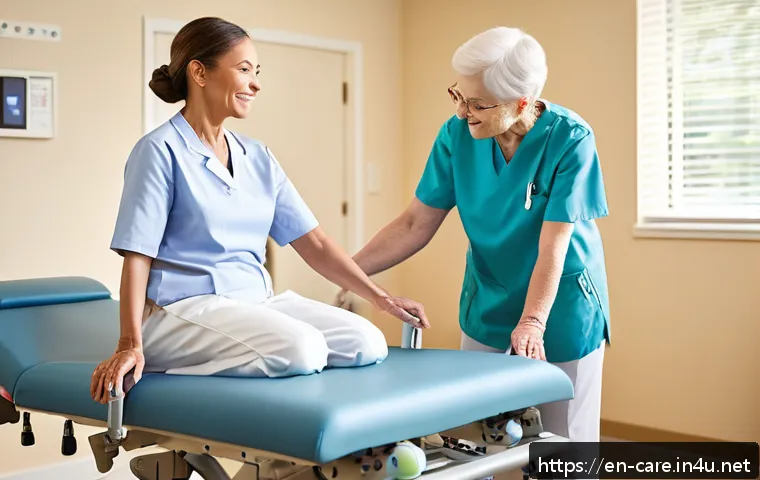
You’ll find a full spectrum of medical professionals on staff – doctors, nurses, physical therapists, occupational therapists, speech therapists – all working to address immediate medical needs, prevent complications, and help residents achieve their highest possible functional level.
It’s a proactive approach to health. My friend Sarah’s dad, after a hip replacement, spent a few months in a skilled nursing facility, and the daily therapy sessions were relentless, but exactly what he needed to walk again.
Hospice, however, is rooted in palliative care, meaning comfort care. This isn’t just about managing pain, though that’s a huge part of it. It’s about comprehensive support for the patient’s physical, emotional, and spiritual well-being, and just as importantly, for their family.
The hospice team—doctors, nurses, social workers, chaplains, and volunteers—works together to ensure comfort, reduce suffering, and support the entire family through the end-of-life journey.
They focus on alleviating symptoms, whether physical pain, nausea, or anxiety, and creating an environment of peace. It’s a holistic approach that truly respects the natural course of life.
Daily Life and the Scope of Care: What to Expect
A Day in a Nursing Home: Structure and Support
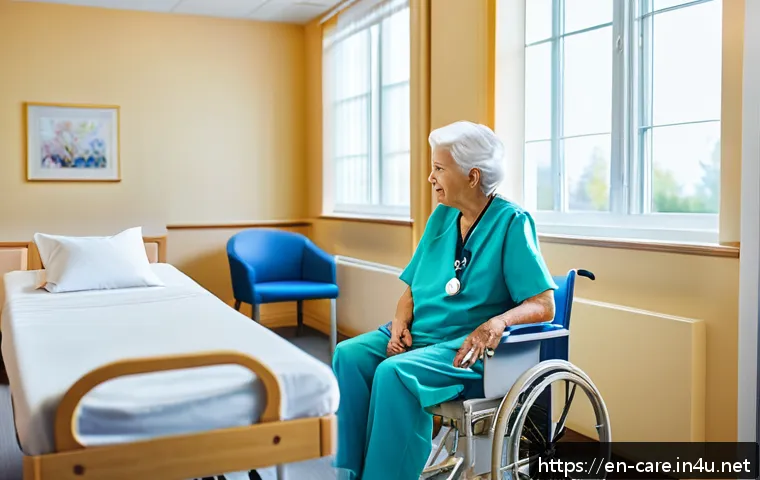
Stepping into a nursing home, you’ll immediately notice the structure. It’s a 24/7 supervised environment, designed to provide constant medical care and assistance with daily living activities for residents who can no longer safely live independently.
This often includes help with bathing, dressing, eating, and medication management. For someone with advanced dementia, for example, a nursing home offers a secure setting where they can receive specialized memory care, ensuring their safety and dignity while managing complex behaviors.
I remember visiting a nursing home where my aunt stayed after a series of small strokes, and the staff were incredible, helping her with everything from morning routines to evening tuck-ins, while keeping her engaged with daily activities.
There are scheduled meals, organized social activities like bingo or craft sessions, and regular check-ups by medical staff. The routine can be very comforting for residents, providing a sense of normalcy and community.
It’s a vibrant, albeit medically focused, community where many residents live for months or even years, establishing new friendships and routines.
Hospice Care: Embracing Comfort and Dignity
Hospice care, in stark contrast, is less about a fixed physical location and more about a philosophy of care. While there are dedicated hospice facilities, the vast majority of hospice care is provided right where the patient lives – whether that’s their own home, a relative’s home, or even within a nursing home or assisted living facility.
This focus on “home” is a cornerstone of hospice, aiming to keep patients in their familiar surroundings, surrounded by loved ones. The daily rhythm is much more patient-driven.
A hospice nurse might visit a few times a week, a home health aide could come daily for personal care, and social workers or chaplains offer emotional and spiritual support as needed.
When my neighbor’s husband was on hospice at home, the team helped them manage his pain, taught his wife how to care for him, and were always just a phone call away for any concerns.
It’s about empowering the family to be active participants in care, while providing professional support for symptom management and emotional well-being.
The emphasis is on comfort, peace, and maintaining dignity in their final chapter, rather than adhering to a rigid schedule.
| Feature | Nursing Home Care | Hospice Care |
|---|---|---|
| Primary Goal | Rehabilitative care, long-term supervision, managing chronic illness, improving/maintaining function. | Comfort, pain management, and quality of life for terminally ill patients. |
| Patient Condition | Requires 24-hour skilled nursing care or extensive assistance with daily living due to chronic illness, injury, or disability. | Terminal illness with a life expectancy of typically six months or less, not seeking curative treatment. |
| Location of Care | Primarily in a dedicated facility (skilled nursing facility). | Mostly at home, but also in assisted living, nursing homes, or dedicated hospice facilities. |
| Medical Focus | Curative treatments, ongoing medical management, therapies (PT, OT, ST). | Palliative care, symptom management, emotional and spiritual support. |
| Typical Duration | Long-term, can be months to years. | Short-term, focused on the final months of life, but can extend if patient remains eligible. |
| Cost Coverage | Mainly private pay, Medicaid (with eligibility), long-term care insurance. Limited Medicare. | Largely covered by Medicare, Medicaid, and most private insurance plans. |
| Staffing | Doctors, RNs, LPNs, CNAs, therapists (PT, OT, ST), social workers. | Doctors, RNs, LPNs, home health aides, social workers, chaplains, volunteers. |
The Financial Landscape: Understanding the Costs Involved
Navigating Nursing Home Expenses: A Complex Web
Let’s be real, the cost of long-term care can be a huge source of anxiety for families, and it’s definitely not a simple thing to understand. Nursing home costs vary widely across the country, but they are generally very significant.
We’re talking about an average of $8,000 to $10,000 per month for a private room in many states. For instance, the national median cost for a private room was around $10,646 a month in 2024, and a semi-private room was about $9,277 a month.
Yes, you read that right – *per month*! This covers room and board, skilled nursing care, personal care assistance, and often rehabilitation services.
How do people pay for this? Well, it’s a mix. Medicare typically doesn’t cover long-term custodial care, only short-term skilled nursing care after a hospitalization, and only for up to 100 days.
Medicaid can cover nursing home costs, but only for those who meet strict income and asset requirements, which often means “spending down” assets. Many families rely on private savings, long-term care insurance (if they were forward-thinking enough to get it years ago!), or a combination of these.
It’s a financial puzzle that often requires careful planning and professional guidance to navigate, and it can truly drain a family’s resources if not prepared for.
Hospice Funding: Relief in a Difficult Time
Now, here’s where hospice care often provides a significant financial relief during an already emotional time. The good news is that hospice care is largely covered by Medicare, Medicaid, and most private insurance plans.
The Medicare Hospice Benefit, in particular, is incredibly comprehensive. It covers virtually all services related to the terminal illness, including nursing care, physician services, medications for symptom management and pain relief, medical equipment (like hospital beds or wheelchairs), and even grief support for the family.
This means that for eligible patients, the out-of-pocket costs for hospice care are typically minimal, if not zero. It’s designed to remove the financial burden so families can focus on what truly matters: spending precious time with their loved one.
When my uncle was in hospice, his family was so relieved they didn’t have to worry about the mounting medical bills; it allowed them to just be with him, which was truly invaluable.
This funding structure is a testament to the recognition of hospice as an essential, humane service.
Navigating Eligibility and the Referral Process
Who Qualifies for Nursing Home Admission?
The path to a nursing home often begins with a medical necessity, or a significant decline in a person’s ability to care for themselves safely at home.
Typically, an individual needs 24-hour supervision, daily skilled nursing care, or extensive assistance with activities of daily living (ADLs) like eating, bathing, dressing, and mobility.
A doctor’s order is usually required, and often a hospital discharge planner will help facilitate the transition if the patient is coming from an inpatient stay.
For example, if an elderly person experiences a severe fall, breaks a hip, and requires intensive physical therapy and wound care that can’t be adequately provided at home, a skilled nursing facility becomes the appropriate next step.
It’s about meeting a specific medical or functional need that requires a higher level of institutional care than what can be managed in an assisted living facility or with home health services alone.
The process can feel bureaucratic, but it’s designed to ensure that those entering a nursing home truly require that intensive level of support.
Meeting the Criteria for Hospice Care
Hospice eligibility is quite distinct and very specific. The primary requirement is a prognosis from a physician (and often a second physician confirming it) that the patient has a life expectancy of six months or less if the illness runs its natural course.
It’s a recognition that the patient is no longer seeking curative treatment for their terminal illness, but rather shifting to comfort-focused care. This doesn’t mean giving up hope; it means changing the focus of hope from cure to quality of life.
Patients can still receive treatments for conditions unrelated to their terminal illness. For example, if someone with end-stage heart failure decides to enter hospice, they can still get medication for their arthritis.
The referral can come from a doctor, a family member, or even the patient themselves, though a doctor’s certification is always necessary for admission.
It’s a brave decision to embrace hospice, and it’s about choosing peace and dignity in the face of a terminal illness. My grandmother entered hospice after her cancer progressed beyond curative options, and it gave her incredible comfort and peace in her final months.
Emotional Support and Family Involvement: A Crucial Component
Family’s Role in Nursing Home Life
When a loved one moves into a nursing home, the family’s role shifts but remains incredibly vital. While the staff handles daily care, families become advocates, companions, and emotional anchors.
They’re involved in care planning meetings, ensuring their loved one’s preferences are respected and their needs are met. Regular visits, participating in activities, and simply being present can make a world of difference in a resident’s quality of life.
I’ve seen families become the loudest cheerleaders for their loved ones during therapy, celebrating every small victory. It can be a tough adjustment, moving from being the primary caregiver to a supportive family member, but it allows for a different kind of connection, one focused on emotional bonding rather than the stresses of daily tasks.
It also means families can still enjoy holidays and special occasions together, often within the facility itself, fostering a sense of community and continued family connection.
The Holistic Embrace of Hospice Care for Families
Hospice care profoundly recognizes that a terminal illness affects the entire family, not just the patient. That’s why family support is an integral, non-negotiable part of the hospice model.
From day one, the hospice team offers emotional and practical support to family members. Social workers provide counseling, help navigate difficult conversations, and connect families with community resources.
Chaplains offer spiritual guidance, regardless of religious affiliation, helping families find peace and meaning. Crucially, hospice also provides bereavement support, which often continues for up to a year after the patient’s passing.
This can include grief counseling, support groups, and resources to help families cope with their loss. My friend’s mother received hospice care, and the support the family got—from the nurses explaining what to expect, to the social worker helping them talk about difficult topics, and the bereavement support afterward—was absolutely invaluable in navigating an incredibly painful time.
It’s a testament to the understanding that healing from loss is a journey, and families don’t have to walk it alone.
The Evolving Face of Senior Care: Innovations and Future Trends
Technology’s Impact on Care Delivery
The world of senior care, both in nursing homes and hospice, is constantly evolving, thanks in no small part to incredible technological advancements.
In nursing homes, we’re seeing more smart room technologies – sensors that monitor residents’ movements to prevent falls, smart beds that adjust to prevent bedsores, and even AI-powered systems that analyze data to predict potential health issues before they become emergencies.
Telemedicine is also a game-changer, allowing residents to consult with specialists without leaving the facility, reducing stress and improving access to care.
It’s all about making care more proactive, personalized, and efficient. Imagine a future where a resident’s smartwatch alerts staff to a subtle change in their heart rhythm, allowing for early intervention.
This isn’t science fiction anymore; it’s becoming our reality, enhancing safety and responsiveness in residential care settings and ensuring a higher standard of living for our elders.
Personalized and Holistic Approaches: The Future of Comfort
Beyond technology, there’s a significant shift towards more personalized, holistic care models across the board. In hospice, this means an even greater emphasis on individualized care plans that respect a patient’s unique wishes, cultural background, and spiritual needs.
It’s moving beyond just physical comfort to truly nurturing the mind and spirit. We’re seeing more creative therapies integrated into hospice, like music therapy, art therapy, and even pet therapy, all designed to enhance quality of life and provide moments of joy and peace.
The focus is increasingly on “aging in place” and “dying in place,” meaning supporting individuals to remain in their preferred environment for as long as possible.
This push for person-centered care, whether in a nursing home or through hospice, acknowledges the individuality of each person and their desire for autonomy, fostering an environment where dignity and personal choice are at the forefront of every care decision.
It’s a beautiful evolution, allowing for truly customized support during incredibly sensitive times.
Wrapping Things Up
Whew, we’ve covered a lot today, haven’t we? I know diving into topics like nursing homes and hospice care can feel heavy, but truly understanding the profound differences between them is one of the most loving and empowering things we can do for our families. It’s about recognizing that whether the goal is rehabilitation and a chance to regain independence, or embracing comfort and peace during life’s final chapter, both paths are paved with dignity and care. My hope is that by untangling these concepts, you feel a little more prepared, a little less overwhelmed, and ready to make the most informed choices for your loved ones when these crucial moments arise.
Handy Tips to Keep in Mind
1. Don’t go it alone! Navigating senior care can be incredibly complex, so reach out to professionals. Elder care attorneys, financial advisors specializing in long-term care, and geriatric care managers are invaluable resources who can help you understand your options, costs, and legal implications. They can provide personalized advice tailored to your specific situation, saving you time, stress, and potential pitfalls in the long run. Their expertise is truly worth its weight in gold when facing such significant decisions.
2. Always, always check your insurance coverage thoroughly. While Medicare has clear guidelines for hospice, and limited coverage for skilled nursing, private insurance, Medicaid, and long-term care policies vary wildly. Before making any commitments, get a detailed understanding of what services are covered, for how long, and what your out-of-pocket expenses might be. A clear picture of the financial landscape will prevent nasty surprises and help you plan effectively.
3. Visit facilities, if applicable. If you’re considering a nursing home or a dedicated hospice facility, nothing beats an in-person visit. Pay attention to the atmosphere, the staff-to-resident ratio, cleanliness, and how residents are engaged. Talk to current residents and their families if possible. Trust your gut feeling – a warm, caring environment is just as important as medical proficiency. It helps you envision your loved one thriving or finding peace in that setting.
4. Prepare essential documents in advance. Having legal documents like a Power of Attorney for healthcare, a living will, and an advance directive in place can make decision-making infinitely smoother during stressful times. These documents ensure that your loved one’s wishes regarding medical treatment and end-of-life care are respected, even if they can no longer communicate them themselves. It’s a gift to your family and a testament to your foresight.
5. Prioritize the patient’s wishes and comfort above all else. Remember, this is about their journey. While family input is crucial, the individual’s preferences, values, and sense of dignity should always guide the decisions. Whether they desire aggressive treatment or a peaceful, comfort-focused approach, honoring their wishes provides immense solace and empowers them in their own care path. Open communication is key to ensuring their voice is heard and respected.
Key Takeaways
Understanding the distinction between nursing home and hospice care is fundamental for making compassionate, informed decisions for our loved ones. Nursing homes focus on rehabilitation and long-term medical support, aiming to improve or maintain health over an extended period. Hospice care, conversely, is centered on providing comfort, dignity, and holistic support for patients with a terminal illness, focusing entirely on quality of life rather than cure. The financial structures, eligibility criteria, and daily care experiences differ significantly, highlighting the importance of early planning and open communication within families to ensure choices align with the patient’s needs and wishes. Ultimately, both serve vital roles in senior care, but for very different stages and goals in a person’s life journey.
Frequently Asked Questions (FAQ) 📖
Q: So, what’s the absolute core difference between a nursing home and hospice care? They both involve care for seniors, but where do they really diverge?
A: Oh, this is such a crucial question, and honestly, it’s where most of the confusion lies! From what I’ve seen firsthand, the biggest, most fundamental difference boils down to their primary goals and the stage of life they address.
Think of a nursing home, or skilled nursing facility as it’s often called, as a place focused on long-term residential care, often with a heavy emphasis on medical support, rehabilitation, and daily assistance.
It’s for folks who need help with everyday activities like bathing, dressing, and eating, or who require ongoing medical attention that just can’t be managed at home, perhaps after a hospital stay or due to a chronic condition.
The aim here is generally to help residents live as fully as possible, providing medical treatment and therapy to maintain or improve their health. On the other hand, hospice care is a specialized type of care for individuals with a life-limiting illness, typically when a doctor believes they have six months or less to live if the illness runs its natural course.
The goal here shifts from curing the illness to providing comfort, dignity, and a better quality of life. It’s all about managing pain and other symptoms, and offering emotional and spiritual support not just to the patient, but to their family too.
It’s truly about living well in the time that remains, focusing on comfort rather than curative treatments. I’ve personally seen the profound difference this distinction makes when families are making these incredibly tough decisions.
Q: Can someone receive hospice care while they are living in a nursing home? It seems like these services could overlap.
A: That’s a brilliant question, and yes, absolutely! This is one of those areas where understanding how these services can actually work together is so empowering for families.
It’s a common misconception that you have to choose one or the other as completely separate entities. In my experience, it’s quite common for someone residing in a nursing home to also receive hospice services.
When a nursing home resident is diagnosed with a life-limiting illness and meets the eligibility criteria for hospice (usually a prognosis of six months or less), a hospice agency can come right into the nursing home to provide their specialized care.
This means the nursing home staff continues with their regular care – personal assistance, medication administration, daily routines – while the hospice team provides that additional layer of comfort, pain management, and emotional support.
They work hand-in-hand, truly becoming a collaborative team. It’s a wonderful example of how our healthcare system is evolving to provide more integrated, person-centered care, ensuring that someone gets the best of both worlds: their long-term living situation combined with the specialized, compassionate support of hospice.
It makes a real difference in maintaining comfort and continuity.
Q: What about the cost? How are nursing home care and hospice care typically paid for in the US?
A: re there major differences families should be aware of? A3: Ah, the million-dollar question – literally! Understanding the financial aspects is often one of the biggest stressors for families navigating senior care, and there are indeed significant differences.
For nursing home care, the costs can be substantial, often ranging from $7,000 to over $10,000 a month depending on the location and level of care needed.
Typically, this is primarily paid for out-of-pocket by the individual or their family until their assets are depleted. Once that happens, Medicaid, a joint federal and state program, often steps in to cover the costs for eligible low-income individuals.
Private long-term care insurance can also cover some or all of these expenses, but Medicare (the federal health insurance for people 65 and older) generally only covers short-term skilled nursing facility stays for rehabilitation after a qualifying hospital stay, not long-term custodial care.
Now, for hospice care, it’s a completely different ballgame, and usually a huge relief for families. Hospice is covered 100% by Medicare, Medicaid, and most private insurance plans.
This coverage is incredibly comprehensive, usually including medications for symptom control and pain relief, medical equipment (like wheelchairs or oxygen), nursing care, aide services, therapies, and even grief counseling for the family.
The aim is to remove the financial burden during such a sensitive time, allowing families to focus entirely on their loved one. From what I’ve witnessed, this difference in coverage often plays a pivotal role in how families plan and what options they feel are truly accessible to them.