Facing a stroke can be incredibly daunting, and the road to recovery often feels long and uncertain. Finding the right support system and rehabilitation program is crucial for regaining independence and improving quality of life.
I’ve seen firsthand how specialized stroke rehabilitation facilities can make a significant difference in helping individuals rebuild their strength, skills, and confidence after a stroke.
It’s not just about physical therapy; it’s about a holistic approach that addresses the emotional, cognitive, and social challenges that often accompany stroke recovery.
Recent trends in stroke rehabilitation emphasize personalized treatment plans, incorporating technology like virtual reality and robotics to enhance motor skills and cognitive function.
The future points toward even more innovative approaches, such as brain-computer interfaces and regenerative medicine, offering hope for improved outcomes.
Let’s delve deeper into the world of stroke rehabilitation and see how these dedicated facilities are helping people reclaim their lives. Let’s explore this topic in more detail in the article below.
Understanding the Critical First Steps in Stroke Rehabilitation
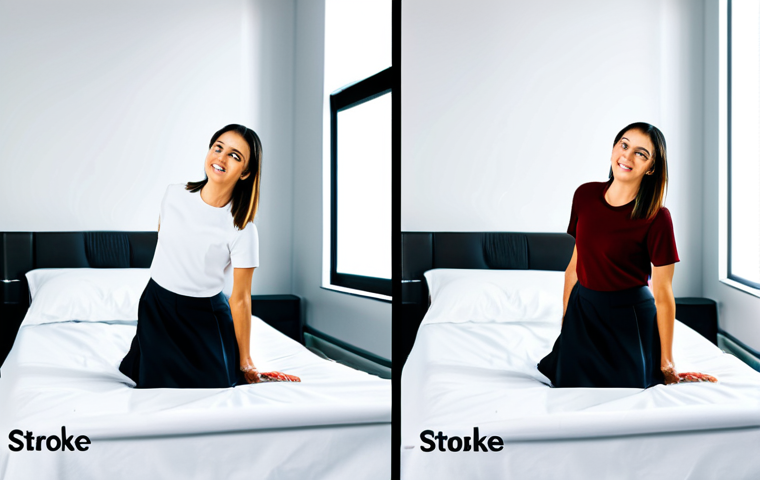
The initial phase of stroke rehabilitation is all about stabilization and preventing complications. Think of it as laying a solid foundation for the recovery journey ahead. From my experience, this often begins right in the hospital, sometimes even within the first 24-48 hours after the stroke. Doctors and therapists are focused on minimizing the risk of things like pneumonia, blood clots, and pressure sores. They’re also closely monitoring vital signs and making sure the patient is medically stable enough to start more intensive therapies. I remember seeing a patient who was initially very weak but started with simple range-of-motion exercises in bed. It was amazing how quickly they began to regain some movement and strength, which really underscored the importance of early intervention. It is also incredibly important to get a mental health professional involved early as possible to help with the emotional and mental toll that can come with having a stroke.
Early Intervention Strategies
One of the key aspects of early intervention is preventing muscle stiffness and contractures. Therapists will guide patients through gentle exercises to maintain joint flexibility. They also work on promoting awareness of the affected side of the body, which can be easily neglected after a stroke. I’ve seen some really creative techniques used, like having patients use a mirror to watch their movements or using sensory stimulation, like different textures, to reawaken nerve pathways. The goal is to keep everything moving and engaged as much as possible, even if it’s just a small amount.
The Role of Occupational Therapy
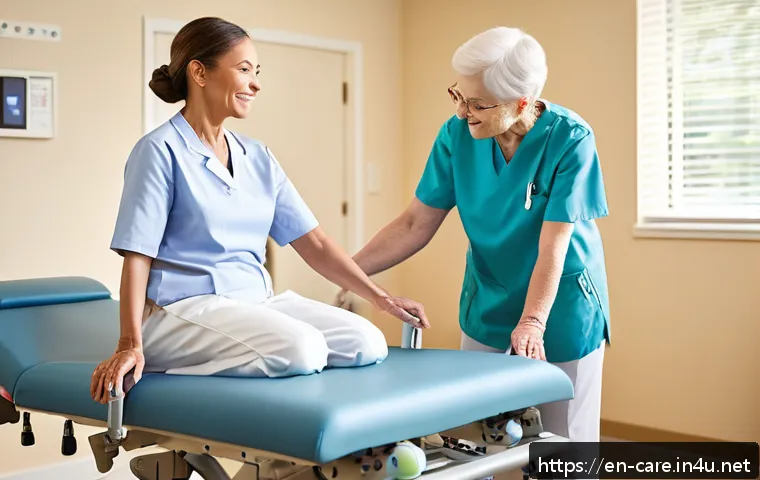
Occupational therapists (OTs) play a crucial role in helping patients regain independence in their daily activities. They might work on things like feeding, dressing, bathing, and toileting. OTs often adapt the environment or provide assistive devices to make these tasks easier. I remember one patient who had difficulty buttoning their shirt. The OT provided a button hook, and suddenly, they could manage it independently. These small victories can make a huge difference in a person’s self-esteem and motivation to continue with rehabilitation.
Speech Therapy and Communication
Strokes can often affect speech and language skills. Speech therapists assess and treat communication problems, such as aphasia (difficulty understanding or expressing language) and dysarthria (difficulty speaking). They may use exercises to strengthen the muscles involved in speech or teach alternative communication strategies. I witnessed a patient who initially couldn’t say more than a few words start to string together full sentences after weeks of intensive speech therapy. It was incredibly rewarding to see their communication skills return.
Personalized Treatment Plans: Tailoring Recovery to Individual Needs
No two strokes are exactly alike, and that’s why personalized treatment plans are so essential in stroke rehabilitation. It’s not a one-size-fits-all approach; it’s about understanding each patient’s unique challenges, strengths, and goals and then crafting a rehabilitation program that addresses those specific needs. From my experience, the most effective rehabilitation facilities take the time to conduct thorough assessments, gathering information from the patient, their family, and the entire rehabilitation team. This collaborative approach ensures that everyone is on the same page and working toward the same objectives. I’ve seen cases where a patient’s personal hobbies and interests are incorporated into their therapy sessions, making the process more engaging and meaningful. This can dramatically improve motivation and adherence to the program.
Comprehensive Assessment Techniques
The assessment process usually involves a combination of physical, cognitive, and emotional evaluations. Physical therapists assess motor skills, balance, coordination, and strength. Occupational therapists evaluate the ability to perform daily living tasks. Speech therapists assess communication and swallowing abilities. Neuropsychologists may conduct cognitive assessments to identify any impairments in memory, attention, or executive function. All this information is used to develop a tailored treatment plan. Each evaluation provides the healthcare team with a better understanding of what deficits the patient is facing.
Setting Achievable Goals
Goal setting is an important part of the personalized treatment plan. Goals should be specific, measurable, achievable, relevant, and time-bound (SMART). For example, instead of saying “I want to walk better,” a more specific goal would be “I want to walk 50 feet with a walker in three weeks.” These goals are developed collaboratively between the patient, their family, and the rehabilitation team. Regular progress reviews help ensure that the treatment plan remains aligned with the patient’s needs and goals. I’ve seen how achieving even small goals can significantly boost a patient’s confidence and motivation to continue pushing forward. It gives the patient a clear direction of what they need to accomplish.
Adaptive Strategies for Daily Living
Personalized treatment plans often include strategies to help patients adapt to their new limitations and regain independence in their daily lives. This might involve learning new ways to perform tasks, using assistive devices, or modifying the home environment to improve accessibility. Occupational therapists are particularly skilled at identifying and implementing these adaptive strategies. I remember one patient who had difficulty using stairs after their stroke. The OT helped them install a handrail and taught them a safe way to navigate the stairs, which allowed them to return to their bedroom on the second floor of their home.
Leveraging Technology in Stroke Rehabilitation
Technology is revolutionizing stroke rehabilitation, offering new and exciting ways to enhance motor skills, cognitive function, and overall recovery. I’ve seen firsthand how virtual reality, robotics, and other technological advancements can make therapy more engaging, effective, and personalized. These technologies provide opportunities for patients to practice movements and tasks in a safe, controlled environment, with real-time feedback that helps them improve their performance. From my experience, technology-assisted therapy can be particularly beneficial for patients who have difficulty with traditional rehabilitation exercises or who need extra motivation. The immersive and interactive nature of these technologies can make therapy feel less like work and more like a game, which can lead to better outcomes. It can also help with improving independence and confidence.
Virtual Reality for Motor Skill Recovery
Virtual reality (VR) is being used increasingly in stroke rehabilitation to simulate real-world environments and tasks. Patients can practice walking, reaching, grasping, and other movements in a virtual setting, with visual and auditory feedback that enhances their motor learning. VR can also be used to create challenging and engaging scenarios that push patients to their limits. I’ve seen patients who were initially hesitant to participate in traditional therapy become fully immersed in VR games, practicing movements and tasks without even realizing they were exercising. The ability to adjust the difficulty level and provide personalized feedback makes VR a valuable tool for motor skill recovery.
Robotics for Enhanced Movement
Robotic devices are another promising technology for stroke rehabilitation. These devices can assist patients with repetitive movements, provide support and guidance during exercises, and measure their progress objectively. Some robotic devices are designed to help patients regain arm and hand function, while others focus on improving walking and balance. I’ve seen patients use robotic exoskeletons to practice walking on a treadmill, with the device providing support and assistance as needed. The use of robotics allows for more intensive and precise therapy, which can lead to faster and more complete recovery.
Brain-Computer Interfaces
Brain-computer interfaces (BCIs) are an emerging technology that allows patients to control external devices with their brain signals. BCIs can be used to help patients regain movement in paralyzed limbs by translating their intentions into actions. For example, a patient could use a BCI to control a robotic arm or hand, allowing them to grasp and manipulate objects. BCIs are still in the early stages of development, but they hold great promise for stroke rehabilitation, particularly for patients with severe paralysis.
Addressing Emotional and Psychological Well-being
Stroke recovery isn’t just about physical rehabilitation; it’s also about addressing the emotional and psychological challenges that often accompany this life-altering event. From my experience, many stroke survivors experience feelings of anxiety, depression, frustration, and isolation. These emotions can significantly impact their motivation, adherence to therapy, and overall quality of life. That’s why it’s so important for stroke rehabilitation facilities to provide comprehensive mental health support, including counseling, support groups, and other therapeutic interventions. Ignoring the emotional and psychological aspects of stroke recovery can hinder progress and lead to long-term difficulties. It’s also so important for family and friends to be supportive.
The Importance of Counseling Services
Counseling services can provide stroke survivors with a safe and supportive space to process their emotions, develop coping strategies, and address any underlying mental health issues. Therapists can help patients identify and challenge negative thoughts, improve their self-esteem, and build resilience. I’ve seen patients who were initially withdrawn and depressed gradually open up and start to engage more fully in therapy after receiving counseling. Counseling can also help patients and their families adjust to the changes and challenges that stroke can bring.
Support Groups and Peer Interaction
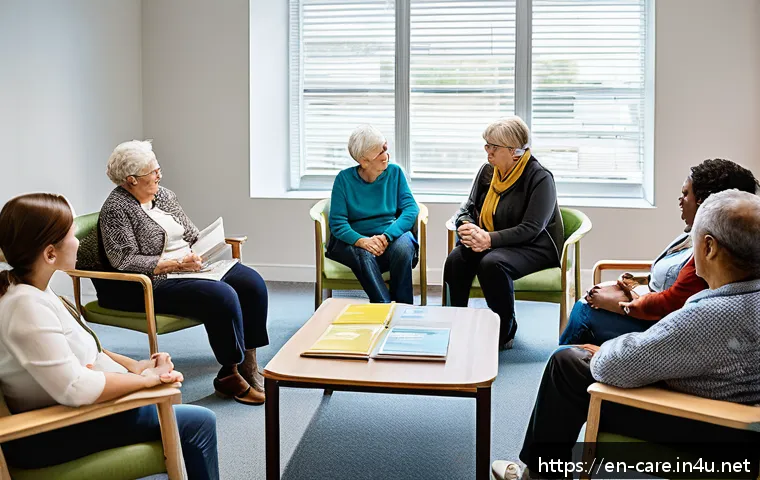
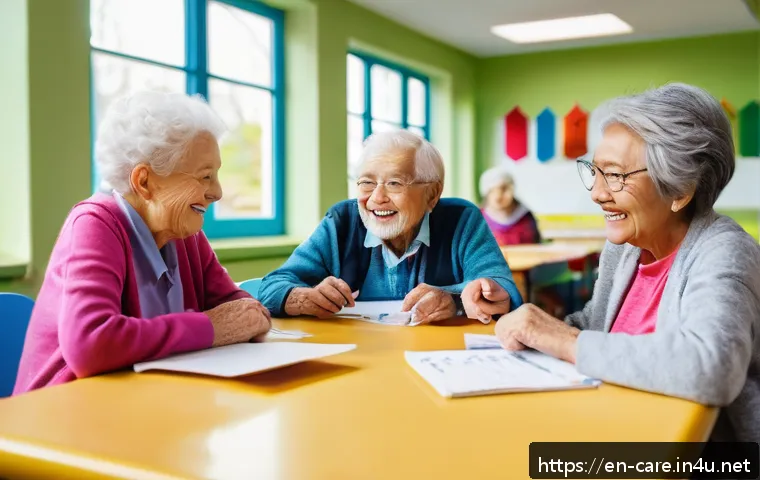
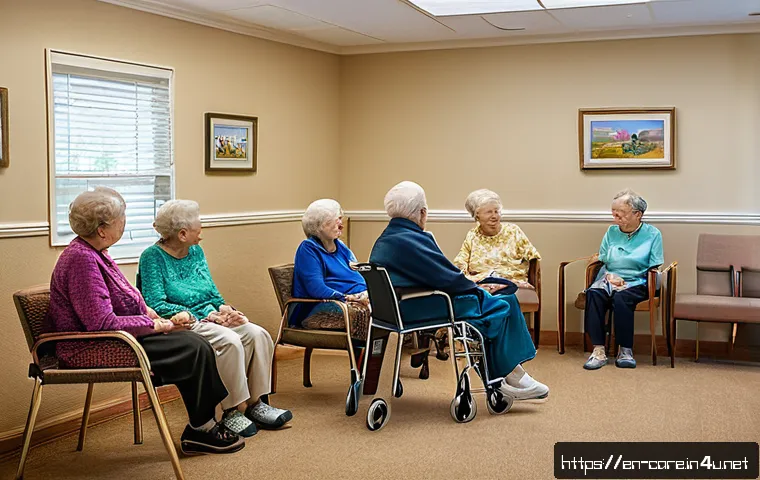
Support groups can be a valuable resource for stroke survivors, providing them with a sense of community and connection. In support groups, patients can share their experiences, learn from others, and receive encouragement and support. Knowing that you’re not alone in your struggles can be incredibly comforting and empowering. I’ve seen patients who were initially hesitant to join a support group become active participants, finding strength and inspiration from their peers. It’s helpful to know that there are other people in the same situation.
Cognitive Behavioral Therapy
Cognitive Behavioral Therapy (CBT) is a type of therapy that focuses on identifying and changing negative thought patterns and behaviors. CBT can be effective in treating anxiety, depression, and other mental health issues that may arise after a stroke. CBT techniques can help patients challenge their negative thoughts, develop more realistic and positive perspectives, and improve their coping skills. It also helps with improving the patient’s mental state.
Creating a Supportive Home Environment for Continued Recovery
The transition from a rehabilitation facility back to the home environment is a critical step in the stroke recovery journey. It’s essential to create a supportive and accessible home environment that promotes continued recovery and independence. From my experience, this often involves making modifications to the home, such as installing grab bars, ramps, and assistive devices. It also involves educating family members and caregivers on how to provide support and assistance while encouraging the stroke survivor to maintain their independence. A well-prepared home environment can significantly improve a patient’s ability to function and thrive after discharge from rehabilitation. It allows the patient to have a better state of mind and more control over their life.
Home Modifications and Accessibility
Home modifications can make a big difference in a stroke survivor’s ability to move around and perform daily tasks safely and independently. Some common modifications include installing grab bars in the bathroom, adding ramps to entrances, widening doorways, and modifying kitchen countertops. Assistive devices, such as shower chairs, raised toilet seats, and reachers, can also make it easier to perform specific tasks. An occupational therapist can assess the home environment and recommend modifications that will improve accessibility and safety.
Caregiver Education and Training
Family members and caregivers play a crucial role in supporting stroke survivors during their recovery. It’s important for caregivers to receive education and training on how to provide assistance safely and effectively, as well as how to encourage the stroke survivor to maintain their independence. Caregivers may need to learn how to transfer the patient from bed to chair, assist with bathing and dressing, and manage medications. They also need to understand the emotional and psychological challenges that stroke survivors may face and provide emotional support and encouragement.
Establishing a Routine and Structure
Establishing a daily routine and structure can help stroke survivors regain a sense of normalcy and purpose. A routine can provide a framework for therapy, exercise, and other activities, as well as help to manage fatigue and cognitive challenges. It’s important to create a routine that is tailored to the individual’s needs and abilities, and that allows for flexibility and rest. A consistent routine can also help to improve sleep patterns and reduce stress.
Navigating the Financial Aspects of Stroke Rehabilitation
The financial aspects of stroke rehabilitation can be a significant concern for many patients and their families. Rehabilitation services can be expensive, and it’s important to understand the different sources of funding and insurance coverage that may be available. From my experience, navigating the financial landscape can be complex and overwhelming, so it’s helpful to have access to resources and support. Many stroke rehabilitation facilities have financial counselors who can help patients understand their insurance benefits, explore payment options, and apply for financial assistance programs. Understanding the financial aspects of stroke rehabilitation can alleviate stress and allow patients to focus on their recovery.
Understanding Insurance Coverage
Insurance coverage for stroke rehabilitation varies depending on the type of insurance plan and the specific services required. It’s important to review your insurance policy carefully to understand what services are covered, what the out-of-pocket costs are, and what the limitations or restrictions may be. Some insurance plans may require pre-authorization for certain services or may limit the number of therapy sessions that are covered. It’s also important to understand the difference between in-network and out-of-network providers, as out-of-network services may not be covered or may be subject to higher co-pays or deductibles.
Exploring Payment Options and Financial Assistance
In addition to insurance coverage, there may be other payment options and financial assistance programs available to help cover the costs of stroke rehabilitation. Some rehabilitation facilities offer payment plans or sliding-scale fees based on income. There may also be government programs, such as Medicare or Medicaid, that can provide financial assistance. Non-profit organizations and charitable foundations may also offer grants or scholarships to help stroke survivors cover the costs of rehabilitation. It’s important to explore all available options to ensure that you can access the care you need.
Planning for Long-Term Care Costs
Stroke survivors may require long-term care services, such as home health care, assisted living, or nursing home care, which can be expensive. It’s important to plan for these potential costs by considering long-term care insurance, exploring government programs, and seeking advice from a financial planner. Planning ahead can help ensure that you have the resources to pay for the care you need without depleting your savings.
| Aspect of Stroke Rehabilitation | Description | Key Components |
|---|---|---|
| Early Intervention | Focuses on stabilization and preventing complications immediately after a stroke. | Range-of-motion exercises, monitoring vital signs, early mobilization. |
| Personalized Treatment Plans | Tailoring recovery to individual needs based on assessment and goal setting. | Comprehensive assessments, SMART goals, adaptive strategies. |
| Technology in Rehabilitation | Using virtual reality, robotics, and brain-computer interfaces to enhance recovery. | VR for motor skills, robotic devices for movement, BCIs for paralysis. |
| Emotional Well-being | Addressing anxiety, depression, and isolation through mental health support. | Counseling services, support groups, cognitive behavioral therapy (CBT). |
| Supportive Home Environment | Creating an accessible home with modifications and caregiver education. | Home modifications, caregiver training, establishing routines. |
| Financial Aspects | Navigating insurance, payment options, and long-term care costs. | Understanding insurance, exploring financial assistance, long-term care planning. |
Wrapping Up
Stroke rehabilitation is a marathon, not a sprint. The journey involves many facets, from physical and occupational therapy to emotional support and creating an accessible home environment. Remember, every small step forward is a victory. Stay positive, stay engaged, and celebrate your progress. With the right support and dedication, a fulfilling life after a stroke is within reach.
Helpful Tips to Keep in Mind
1. Advocate for yourself or your loved one. Be proactive in communicating your needs and concerns to the rehabilitation team.
2. Stay connected with family and friends. Their support can make a huge difference in your emotional well-being and motivation.
3. Don’t be afraid to ask for help. Whether it’s physical assistance, emotional support, or financial guidance, there are resources available to help you.
4. Celebrate your achievements, no matter how small. Recognizing your progress will help you stay motivated and positive.
5. Find activities you enjoy and incorporate them into your daily routine. This can help you maintain a sense of purpose and well-being.
Key Takeaways
Early Intervention: Start rehabilitation as soon as possible to maximize recovery potential.
Personalized Treatment: Tailor the rehabilitation plan to individual needs and goals.
Technology: Leverage technological advancements like VR and robotics to enhance therapy.
Emotional Support: Address emotional and psychological well-being through counseling and support groups.
Supportive Home: Create an accessible and supportive home environment for continued recovery.
Financial Planning: Understand insurance coverage and explore financial assistance options.
Frequently Asked Questions (FAQ) 📖
Q: What specific types of therapies are typically offered at a stroke rehabilitation facility?
A: From my experience visiting a few facilities for a family member, you’re usually looking at a mix of physical, occupational, and speech therapy, which are pretty standard.
But the better places also threw in things like recreational therapy to help folks reintegrate into hobbies and social situations. I recall one place even had an art therapy program.
Plus, expect some serious cognitive rehabilitation if memory or thinking skills took a hit after the stroke. They all kinda work together to get you back on your feet – both physically and mentally.
Q: How do stroke rehabilitation facilities personalize treatment plans to meet individual needs?
A: Okay, so personalization is key. I saw one therapist put it really well: “No two strokes are the same, so no two rehab plans can be either.” They start with a thorough assessment of your strengths, weaknesses, and specific goals – like maybe you really want to get back to gardening, or playing golf.
Then, they tailor the therapies to address your unique challenges and to help you reach those personal goals. They’re constantly tweaking the plan based on your progress, making it a really dynamic process.
It’s way more than just a one-size-fits-all approach, thank goodness.
Q: What are some of the cutting-edge technologies used in modern stroke rehabilitation, and how effective are they?
A: This is where it gets really cool. I’ve been hearing about virtual reality systems that put patients in simulated environments to practice everyday tasks like grocery shopping or cooking.
It’s way less intimidating than the real thing at first! And robotics, like exoskeletons, are helping people regain movement in their limbs. The research on this stuff is ongoing, but what I’ve seen firsthand is super promising.
It’s not a miracle cure, mind you, but these technologies definitely add a new dimension to rehab and can speed up recovery for some. They are also very costly and are not accessible to everyone.
📚 References
Wikipedia Encyclopedia
구글 검색 결과
구글 검색 결과
구글 검색 결과
구글 검색 결과
구글 검색 결과