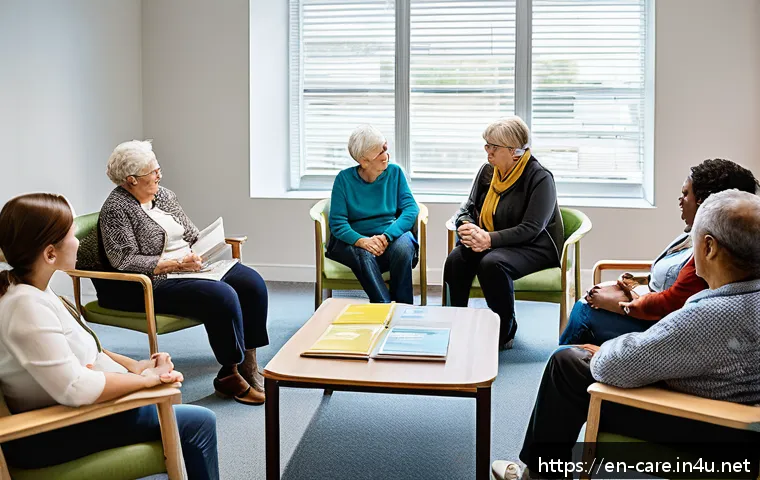
Finding the right care for a loved one with dementia can feel like navigating a complex maze, especially when they’ve transitioned into a nursing home.
It’s a journey many of us face, and it’s completely natural to worry about their comfort, dignity, and overall well-being. From my own observations and countless conversations with families and caregivers, I’ve seen firsthand how crucial effective, compassionate management strategies are.
We all want to ensure our elders receive the best possible support, adapting to their evolving needs with kindness and informed choices. Curious about how to truly make a difference in their daily lives and ensure they thrive?
Let’s dive into some truly game-changing insights below.
Finding the right care for a loved one with dementia can feel like navigating a complex maze, especially when they’ve transitioned into a nursing home.
It’s a journey many of us face, and it’s completely natural to worry about their comfort, dignity, and overall well-being. From my own observations and countless conversations with families and caregivers, I’ve seen firsthand how crucial effective, compassionate management strategies are.
We all want to ensure our elders receive the best possible support, adapting to their evolving needs with kindness and informed choices. Curious about how to truly make a difference in their daily lives and ensure they thrive?
Let’s dive into some truly game-changing insights below.
Creating a Sanctuary: Personalized Comforts

It’s a huge adjustment for anyone to move into a nursing home, and for someone with dementia, it can be incredibly disorienting. I’ve personally witnessed the profound difference a little bit of ‘home’ can make.
Imagine stepping into an unfamiliar room, day after day, with no touchstones of your past. It’s no wonder anxiety can run high. That’s why personalizing their living space isn’t just a nice gesture; it’s a vital part of their care.
Bringing in familiar items – photos of loved ones, a favorite blanket, a cherished piece of art, or even their old alarm clock – can create a sense of continuity and comfort that truly anchors them in their new environment.
I remember visiting a dear family friend whose room was adorned with photos of her grandchildren and a quilt her mother had made. She would often touch the quilt, a soft smile gracing her lips, finding a moment of peace in its familiarity.
It’s these small, thoughtful details that build a bridge between their past and present, reducing confusion and fostering a feeling of security. Nursing homes that encourage this personalization are truly going above and beyond, understanding that a sense of self is deeply tied to one’s personal belongings and surroundings.
Additionally, a clutter-free environment with clear signage and contrasting colors can aid navigation and reduce agitation, making their personal space a true haven rather than a source of stress.
Bringing Home into Their New Environment
When my grandmother moved into her care facility, we made sure to deck out her room with all her favorite things. We hung pictures from her younger days, placed her beloved porcelain cat figurines on a shelf, and even brought in her favorite armchair.
I noticed immediately how these familiar sights calmed her. The simple act of recognizing her own belongings helped her feel more grounded and less anxious in what was otherwise a completely new setting.
It’s about more than just decoration; it’s about validating their identity and history. These items often spark conversations and reminiscence, which are incredibly beneficial for cognitive function and emotional well-being.
Staff can also use these items as conversation starters, helping to build rapport and demonstrate genuine interest in the resident’s life story.
Structuring Their Day for Comfort
Just as important as a personalized space is a predictable daily rhythm. From my experience, a consistent schedule for meals, activities, and rest periods provides a framework that reduces confusion and anxiety for individuals with dementia.
It’s not about rigidity, but about gentle routines that offer a sense of predictability in a world that often feels unpredictable. Imagine not knowing when your next meal is coming or what will happen next.
This uncertainty can be terrifying. A structured day, tailored to individual preferences, helps residents feel safe and in control, even if they can’t articulate it.
It’s like a soft melody playing in the background of their day, subtly guiding them through, rather than a jarring, unexpected cacophony.
Mastering the Art of Connection: Effective Communication
Communication is often the biggest hurdle and, frankly, the most rewarding aspect of caring for someone with dementia. I’ve learned that it’s not always about the words spoken, but the emotions conveyed and the patience shown.
It’s like learning a new language where non-verbal cues often speak volumes louder than anything said. When I visit, I try to get down to eye level, make gentle eye contact, and speak slowly and clearly, using simple sentences.
I’ve seen firsthand how rushing a conversation or using complex language can instantly lead to frustration and withdrawal. It’s crucial to give them ample time to process what you’ve said and to respond, resisting the urge to fill the silence.
Often, they might struggle to find the right words, or their thoughts might be jumbled, but by patiently waiting and observing their body language, you can often grasp the underlying message.
It’s a delicate dance of empathy and observation, where a reassuring touch or a warm smile can communicate more comfort than a thousand well-intended words.
Effective communication isn’t just about reducing misunderstandings; it’s about fostering trust, validating their feelings, and preserving their dignity.
Beyond Words: Reading Cues and Body Language
Sometimes, words just aren’t enough, or they simply aren’t there. I’ve found that my loved one often communicates more through a furrowed brow, a tense posture, or a restless hand than through actual speech.
Learning to “read” these non-verbal cues has been a game-changer. For instance, pacing might indicate a need to use the bathroom, or rubbing their stomach might signal hunger.
It’s about tuning into their unspoken language. Caregivers who are skilled in this can often anticipate needs before frustration sets in, leading to a much calmer and more supportive environment.
It takes a keen eye and a compassionate heart, but it truly makes all the difference in understanding what they’re trying to tell you, even when they can’t find the words.
The Power of Validation and Reassurance
One of the most profound lessons I’ve learned is the importance of validating feelings, even if the perceived reality is different from our own. If my loved one insists they need to “go home” when they are already in their nursing home, instead of correcting them with “You are home,” I might say, “I understand you want to go home, what is it you miss about home today?” This redirects the conversation, acknowledges their emotion, and doesn’t cause unnecessary distress.
This approach, known as validation therapy, is incredibly powerful. It makes them feel heard and respected, rather than confused or dismissed. Reassurance, often through a gentle touch or a calm voice, also provides a vital sense of security, reminding them they are safe and cared for.
Sparking Joy: Fostering Engagement and Purpose
Life in a nursing home, even with the best intentions, can sometimes feel monotonous. From my perspective, ensuring our loved ones with dementia remain engaged and find a sense of purpose is absolutely critical for their emotional and cognitive well-being.
It’s not about keeping them busy for the sake of it, but about offering meaningful activities that resonate with their past lives and current abilities.
I’ve seen how a simple task like folding laundry, which might seem mundane to us, can bring a surprising sense of accomplishment and familiarity to someone who once managed a household.
The trick is to tap into their personal histories and passions. If they loved gardening, a sensory garden or even just tending to a small potted plant can bring immense joy.
If music was their passion, a personalized playlist of their favorite tunes can transport them back in time, eliciting smiles and even forgotten lyrics.
These activities aren’t just entertainment; they’re therapeutic, stimulating cognitive function, reducing agitation, and fostering a sense of identity.
It’s about creating moments of joy and connection that remind them they are still valued, capable individuals with a unique story.
Tailoring Activities to Past Passions
I’ve always believed that understanding a person’s life story is the key to unlocking meaningful engagement. For my uncle, a retired carpenter, simple activities like sorting tools or sanding small pieces of wood brought him such peace and a feeling of usefulness.
He might not have been building furniture, but the familiar motions and textures connected him to a skill he cherished. Nursing homes that truly excel at dementia care take the time to learn these details, creating personalized activity plans that celebrate who the person was and still is.
Whether it’s baking, looking at old photographs, listening to music, or even light exercises, these tailored activities provide mental stimulation and emotional fulfillment.
It’s a wonderful way to honor their individuality and keep their spirits vibrant.
Encouraging Social Connections
Isolation can be a silent thief of joy, even in a communal setting. I make it a point to encourage social interaction for my loved one, knowing how vital it is for mental health.
Simple group activities, like sing-alongs, gentle chair exercises, or even just sharing a meal together, can foster a sense of community and belonging.
It’s not about forcing interactions but creating opportunities for natural connections. I’ve seen shy residents light up when another resident shares a memory or a joke, a brief moment of shared humanity that transcends their condition.
These moments of connection, however fleeting, are incredibly valuable in combating loneliness and promoting overall well-being.
Navigating the Storm: Understanding Challenging Behaviors with Compassion
Let’s be honest, dealing with challenging behaviors in dementia can be incredibly tough, both for the individual experiencing them and for their caregivers.
From agitation and repetitive questions to wandering or even aggression, these behaviors often stem from underlying unmet needs or confusion, not malice.
I’ve learned that approaching these situations with a deep well of patience and a detective’s mindset is paramount. Instead of reacting with frustration, I try to step back and ask myself: “What is my loved one trying to communicate right now?
Are they in pain? Are they scared? Are they simply bored or overstimulated?” It’s a fundamental shift in perspective that allows for a compassionate response rather than a disciplinary one.
I’ve seen how quickly a calm, reassuring tone and gentle redirection can de-escalate a potentially distressing situation. For instance, if a resident is repeatedly asking about a past event, instead of correcting them, a caregiver might engage them in a conversation about the feelings associated with that memory or gently shift their focus to a comforting activity.
Understanding the “why” behind the behavior is the first step toward effective, empathetic management.
Understanding the Root Cause
It’s easy to label behaviors as “difficult,” but truly understanding that they are often a form of communication is transformative. I learned this when my grandfather, usually so mild-mannered, became agitated and started pushing his food away.
My first thought was stubbornness, but after speaking with a nurse, we realized his new dentures were causing him immense pain, and he couldn’t articulate it.
This experience taught me to always consider the physical and emotional root causes. Is it pain? Is it hunger or thirst?
Is it a fear of an unfamiliar environment? Identifying these triggers is crucial, and it often requires keen observation and a willingness to explore various possibilities.
An effective care team will utilize tools like ABC charts (Antecedent, Behavior, Consequence) to track patterns and pinpoint triggers, moving beyond superficial reactions to genuine solutions.
Gentle Redirection and Environmental Adjustments
When a challenging behavior arises, my go-to strategy is always gentle redirection. Instead of confronting or arguing, which can only escalate distress, I try to subtly shift their focus.
If my aunt is anxious about leaving, I might say, “Let’s go look at the flowers in the garden for a bit, then we can talk about going out.” Often, a change of scenery or a comforting activity can work wonders.
Environmental adjustments also play a huge role. For example, reducing noise levels, ensuring adequate lighting, or creating quiet spaces can prevent overstimulation that might trigger agitation.
It’s about creating an environment that supports their needs, rather than one that inadvertently triggers stress or confusion.
Building Bridges: Partnering with the Care Team
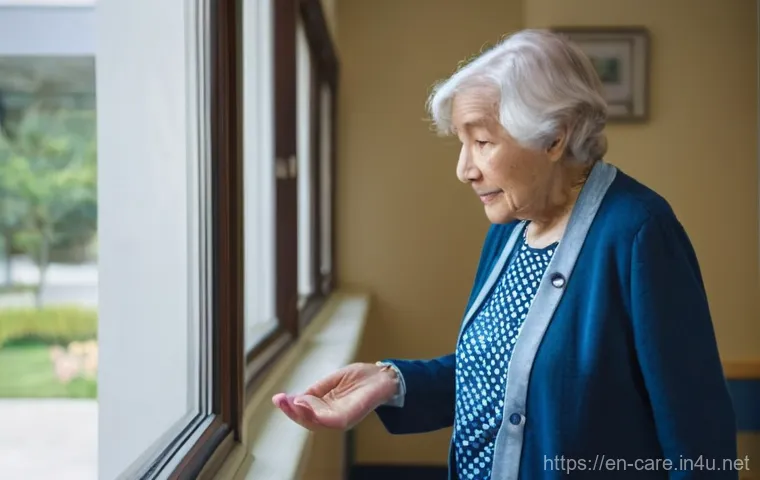
When your loved one is in a nursing home, the care team becomes an extension of your family, and fostering a strong, collaborative relationship with them is non-negotiable for optimal outcomes.
I truly believe that you, as a family member, hold invaluable pieces of your loved one’s story – their habits, preferences, fears, and joys – that can profoundly impact the quality of their care.
I’ve learned to view myself as a partner with the staff, sharing insights and asking questions, rather than just a visitor. Regular communication is absolutely key.
Don’t be afraid to schedule meetings, ask for updates, and share observations. My experience taught me that the more information the staff has about my loved one’s unique personality and history, the better equipped they are to provide truly person-centered care.
It’s not about micromanaging, but about actively participating in the care planning process, ensuring that your loved one’s voice, even when unspoken, is heard and respected.
Regular Communication and Care Plan Reviews
I can’t stress enough how important it is to keep those lines of communication open with the nursing home staff. From my perspective, regular check-ins, whether informal chats or formal care plan reviews, are essential.
I always ask about any changes in behavior, appetite, or sleep patterns, and I share anything I’ve noticed during my visits. These conversations are a two-way street, allowing the care team to understand my loved one better, and allowing me to stay informed and address any concerns proactively.
It’s during these reviews that you can discuss medication efficacy, activity engagement, and overall well-being, ensuring the care plan evolves with your loved one’s changing needs.
Educating Yourself to Be an Effective Advocate
Becoming an effective advocate for a loved one with dementia requires a certain level of self-education. I’ve spent countless hours researching dementia, understanding its progression, and learning about best care practices.
This knowledge empowers me to ask informed questions, challenge practices that seem questionable, and identify resources that can benefit my loved one.
Organizations like the Alzheimer’s Association offer a wealth of information and support. Knowing your loved one’s rights and understanding the facility’s policies allows you to advocate from a position of strength, ensuring they receive the compassionate, high-quality care they deserve.
It’s about being their voice when they can no longer fully express their own.
Uplifting Spirits: Prioritizing Emotional Well-being and Dignity
The emotional landscape for someone living with dementia can be tumultuous, often marked by confusion, frustration, and a profound sense of loss. From my heart, I’ve learned that prioritizing their emotional well-being and upholding their dignity is perhaps the most profound way we can care for them.
It’s about more than just physical safety; it’s about nurturing their spirit and ensuring they feel valued, loved, and respected. I’ve seen how a genuine smile, a comforting hand-hold, or simply listening patiently to their fragmented stories can bring a moment of peace and connection.
These aren’t just small gestures; they are vital acts of affirmation that remind them of their inherent worth. Dignity means allowing them choices whenever possible, even if it’s as simple as choosing their outfit for the day or what to eat for a snack.
It means engaging them in activities that give them a sense of purpose and accomplishment, however small. It’s about celebrating their remaining abilities, rather than focusing on what they’ve lost.
The emotional journey of dementia is isolating enough; our role is to fill it with as much warmth, understanding, and respect as humanly possible.
Respecting Their Autonomy Whenever Possible
Even with cognitive decline, individuals with dementia retain a desire for control and autonomy. I try to offer choices whenever appropriate, even if they’re limited.
“Would you like tea or coffee?” “Would you prefer to sit by the window or closer to the television?” These seemingly small decisions can restore a sense of agency and respect.
It reminds them that their preferences still matter. This doesn’t mean overwhelming them with complex choices, but thoughtfully creating opportunities for them to exert their will.
I’ve observed how this simple act can boost their self-esteem and reduce feelings of helplessness, fostering a more positive and cooperative demeanor.
Creating Moments of Joy and Connection
Beyond daily care, I believe it’s our responsibility to actively create moments of joy for our loved ones. Whether it’s playing their favorite oldies, looking through a photo album and reminiscing, or just enjoying a quiet moment together, these instances are precious.
I often bring in simple craft supplies, and we might spend an hour coloring or making cards, not for the outcome, but for the shared experience and the focus it brings.
These activities tap into their emotional memory, often bringing forth smiles and laughter that transcend the fog of dementia. These are the moments that truly matter, forging connections and reminding us all of the enduring power of love.
| Communication Strategy | Description | Benefits for Dementia Patients |
|---|---|---|
| Simplify Language | Use short, clear sentences and simple words. Avoid jargon or complex questions. | Reduces confusion and frustration, making it easier to understand and respond. |
| Patience and Time | Give ample time for the individual to process information and formulate a response. | Prevents feelings of being rushed or overwhelmed, encourages participation. |
| Non-Verbal Cues | Utilize eye contact, gentle touch, and positive body language. Observe their body language for unspoken needs. | Conveys reassurance and affection; helps interpret needs when verbal communication is difficult. |
| Validate Emotions | Acknowledge and respect their feelings, even if their perception of reality differs from yours. | Builds trust, reduces agitation, and makes them feel heard and understood. |
| Redirect Gently | Instead of correcting or arguing, gently guide the conversation or attention to a different, more positive topic or activity. | Avoids confrontation and distress, shifts focus to a calmer state. |
Empowering Their Journey: Advocating for Their Best Life
As families, our role doesn’t diminish when our loved ones enter a nursing home; it merely transforms. We become their most steadfast advocates, ensuring their voices are heard and their rights are protected.
I’ve come to understand that this isn’t always easy, and it often means stepping up to challenge norms or question established procedures. The reality is that even the best facilities can benefit from vigilant family involvement.
Advocating means staying informed, asking tough questions about staffing, training, and care approaches, and not being afraid to speak up when something doesn’t feel right.
I’ve often felt like a broken record, asking the same questions repeatedly, but it’s always been worth it to ensure my loved one is receiving the quality of life they deserve.
It’s about being their champion, their protector, and their voice, navigating the complexities of the care system to ensure every day is lived with dignity and purpose.
Ensuring Staff Training and Support
From my observations, the quality of dementia care often directly correlates with the training and support provided to the direct care staff. These incredible individuals are on the front lines every day, and their understanding of dementia, communication techniques, and behavior management is paramount.
I’ve always made it a point to inquire about staff training programs and turnover rates. Facilities that invest in continuous education for their staff, especially in person-centered dementia care, tend to provide a much higher quality of support.
It’s also important that staff feel supported themselves; caregiving is emotionally demanding work, and well-supported staff are happier and more effective caregivers.
Exploring Innovative Care Approaches
The field of dementia care is constantly evolving, and I believe it’s crucial to stay informed about innovative approaches that could benefit our loved ones.
I’ve been fascinated by concepts like the Green House Project, which focuses on smaller, home-like environments, and the Montessori method adapted for dementia, emphasizing meaningful engagement and independence.
Even technologies like virtual reality or smart home devices are emerging to enhance safety and provide therapeutic experiences. By engaging with the care team and even attending workshops or webinars, we can explore these new possibilities and advocate for the integration of best practices that can truly enhance the quality of life for those living with dementia.
It’s about pushing the boundaries of what’s possible and ensuring our loved ones benefit from the latest, most compassionate care.
Concluding Thoughts
It’s truly been a privilege to share these insights with you, drawn from personal experiences and countless hours spent observing, learning, and advocating for those living with dementia.
Finding the right balance of compassion, understanding, and practical strategies is an ongoing journey, not a destination. Remember, every small effort to personalize their world, connect through genuine communication, or spark a moment of joy contributes immeasurably to their well-being and dignity.
While the path can be challenging, the love and care we offer illuminate their days, ensuring that even amidst cognitive changes, their spirit remains cherished.
Let’s continue to be their unwavering champions, striving always for a life filled with purpose, comfort, and profound respect. It’s a testament to our own humanity, reflecting the enduring power of connection.
Useful Information to Know
1. Personalization is Power: Bringing familiar items from home into a nursing home room can significantly reduce anxiety and provide a sense of security and continuity for individuals with dementia. It grounds them in their identity.
2. Communicate with Compassion: Effective communication goes beyond words. It involves patience, observing non-verbal cues, maintaining eye contact, speaking slowly, and validating their emotions to foster trust and reduce frustration.
3. Engage with Purpose: Tailoring activities to their past interests and current abilities is crucial for cognitive stimulation and emotional fulfillment. Simple tasks, music, and art can bring immense joy and a sense of accomplishment.
4. Understand Behaviors as Communication: Challenging behaviors often signal unmet needs or discomfort. Approaching them with curiosity, patience, and a detective’s mindset helps identify root causes and allows for gentle, empathetic redirection rather than confrontation.
5. Advocate Actively and Partner with Care Teams: Families are invaluable advocates. Maintaining open communication with staff, participating in care plan reviews, and educating yourself on dementia care best practices ensures your loved one receives the highest quality, person-centered support.
Key Takeaways
Navigating dementia care in a nursing home is a multifaceted endeavor that truly calls for our deepest empathy and commitment. We’ve explored how crucial it is to craft an environment that feels like home, filled with personal touches that anchor their memories and comfort their souls.
Just as vital is mastering the art of connection through patient and compassionate communication, understanding that sometimes, a gentle touch or a reassuring smile speaks volumes more than words.
Fostering engagement with activities tailored to their unique histories and encouraging social connections ensures their days are imbued with purpose and joy.
Remember, challenging behaviors are often a cry for help, requiring us to be patient detectives, seeking the underlying unmet needs with unwavering compassion.
Finally, our role as advocates is paramount, partnering closely with care teams to ensure our loved ones’ dignity and well-being are always at the forefront.
It’s a journey of continuous learning, but with a heart full of love and a mind open to understanding, we can truly empower them to live their best lives.
Frequently Asked Questions (FAQ) 📖
Q: My loved one just moved into a nursing home, and it’s heartbreaking to see them confused and anxious. How can I help them settle in and feel more comfortable?
A: Oh, believe me, I completely understand how incredibly tough that transition can be. It’s a huge change for everyone involved, and it’s totally normal for your loved one to feel unsettled at first.
From what I’ve observed and heard from countless families, the key is consistency and gentle reassurance. Try to maintain a routine that mirrors their previous life as much as possible initially – visit at the same times, bring familiar items like a favorite blanket, photos, or even their preferred scent.
These small anchors can provide a tremendous sense of security. I’ve personally seen how much a familiar face and a comforting touch can do. When you visit, engage them in simple, familiar activities they enjoy, even if it’s just looking through a photo album or listening to their favorite music.
Don’t underestimate the power of just being present, holding their hand, and letting them know they’re loved and safe. It takes time, so be patient with both them and yourself.
Q: What are some effective ways to ensure my family member with dementia stays engaged and maintains their dignity in a nursing home setting?
A: This is such a critical question, and one I’ve wrestled with personally and professionally. Maintaining dignity and engagement for someone with dementia in a nursing home is absolutely paramount.
My advice, based on years of observing various facilities, is to become their advocate for personalized care. Talk to the care team about their life story, their hobbies, their preferences – everything that made them who they are.
Did they love gardening? See if there’s an accessible garden area. Were they a musician?
Perhaps a sing-along or music therapy could be beneficial. It’s not just about scheduled activities; it’s about infusing their daily life with purpose.
I’ve found that even simple things like choosing their outfit for the day, or helping with a small chore they’re capable of, can give them a sense of control and self-worth.
Also, encourage staff to use person-centered language and approaches, focusing on what your loved one can do, rather than what they’ve lost. It makes a world of difference to their spirit.
Q: How can I effectively communicate with nursing home staff to make sure my loved one receives the best possible care and that their changing needs are met?
A: Excellent question! Effective communication with the care team is your superpower, truly. I’ve learned that establishing a respectful, collaborative relationship from day one is non-negotiable.
Don’t be afraid to be a proactive partner in their care. Schedule regular meetings with the primary caregivers, nurses, and even the activities coordinator.
When you visit, observe, and if you notice something concerning or have a question, address it politely but firmly. I always recommend keeping a small notebook to jot down observations, questions, and the names of staff you speak with, along with the date and time.
This helps keep everyone accountable and ensures nothing falls through the cracks. Share any changes you notice in your loved one’s behavior or health, as you know them best.
Remember, you’re all on the same team, working towards the best outcome for your family member. A little bit of consistent, clear communication goes a very long way in ensuring their evolving needs are consistently met with the compassion and expertise they deserve.