Coming home after a stay in a nursing or skilled nursing facility can feel like a huge milestone, a true sigh of relief, yet it often comes with its own set of anxieties.
I know firsthand the whirlwind of emotions that can hit when you or a loved one finally get that discharge approval. One minute you’re surrounded by constant professional care, and the next, you’re back in familiar surroundings, but suddenly facing a mountain of new responsibilities and a whole new routine.
It’s easy to feel overwhelmed, wondering how to manage complex medication schedules, continue physical therapy gains, or even just navigate daily life safely again.
Many families I’ve spoken with share the same concerns – the fear of readmission, the struggle to coordinate appointments, and the unexpected challenges that pop up once professional support isn’t just a call button away.
But what if I told you that navigating this transition doesn’t have to be a solo mission? The landscape of post-discharge care is rapidly evolving, with incredible new programs designed to empower you with personalized support, cutting-edge technology, and the peace of mind you deserve right in your own home.
Let’s dive in deeper below and discover the game-changing solutions available today!
Setting Up for Success: Your Home as a Healing Sanctuary
Stepping back into your own home after a facility stay is a monumental feeling, isn’t it? It’s a mix of profound relief and, let’s be honest, a little bit of apprehension. I remember when my aunt came home, the first thing we did was look at her environment with fresh eyes. What seemed perfectly safe before suddenly presented new challenges. Creating a safe, accessible, and comfortable space is absolutely foundational for a smooth recovery and it’s something you can get started on even before discharge. Think about clear pathways, reducing trip hazards like loose rugs or excessive clutter, and ensuring adequate lighting, especially in hallways and bathrooms. It’s not just about physical safety, though; a well-organized and peaceful environment can significantly reduce stress, which is so crucial for healing. Little tweaks can make a huge difference in your day-to-day independence and confidence. My personal experience has shown me that getting these foundational elements right really sets the stage for everything else, making those first few weeks less daunting and much more empowering.
Clearing Pathways and Reducing Fall Risks
One of the biggest anxieties for families, and rightfully so, is the risk of falls. After extended immobility or illness, balance and strength might not be what they once were. Take a walk through your home, literally, with your eyes open for potential hazards. Are there throw rugs that could slip? Is the furniture arranged in a way that creates narrow passages? Are electrical cords running across walking paths? Consider securing rugs with non-slip pads, moving furniture to create wider lanes, and using cord covers. I’ve heard countless stories where a simple adjustment prevented a nasty fall, and believe me, avoiding a re-injury is paramount to continuing your recovery journey effectively.
Optimizing Bathroom and Bedroom Accessibility
The bathroom and bedroom are often critical areas for modifications. Simple additions like grab bars near the toilet and in the shower can provide invaluable support. A raised toilet seat or a shower chair can also make personal hygiene much safer and easier to manage independently. In the bedroom, ensure the bed is at a comfortable height for getting in and out, and that necessary items like medications, water, and your phone are within easy reach. These modifications aren’t about admitting defeat; they’re about smart, proactive choices that empower you to maintain your dignity and independence during a vulnerable time.
Navigating the Medication Maze: A Coordinated Approach
Okay, let’s talk about medications. If you’ve been in a facility, you know the meticulous way they handle prescriptions, dosages, and schedules. Coming home, that responsibility shifts directly to you or your caregivers, and it can feel like a whole new job. I’ve personally felt the sheer panic of looking at a stack of prescriptions, each with its own specific instructions, and wondering how on earth to keep it all straight. This is where a proactive and organized approach really shines. Mismanaging medications is a leading cause of readmission, so getting this right is non-negotiable. Luckily, there are fantastic resources and strategies available today that weren’t as common even a few years ago. From simple pill organizers to sophisticated smart dispensers, technology is truly stepping up to lend a hand, making this aspect of post-discharge life much more manageable and less prone to errors. It really takes a load off your mind, allowing you to focus on other aspects of your recovery.
Streamlining Your Medication Schedule
Before you even leave the facility, ask for a clear, concise medication list that includes the drug name, dosage, frequency, purpose, and any special instructions (like “take with food”). Review this with the discharging nurse or pharmacist and ask every single question you have. Once home, consider using a weekly pill organizer. I personally find the ones with multiple daily compartments (morning, noon, evening, bedtime) incredibly helpful. Setting alarms on your phone or a smart device can also be a lifesaver to remind you when it’s time for each dose. This systematic approach reduces the mental load and drastically lowers the risk of missed doses or accidental double-dosing.
Leveraging Technology for Medication Adherence
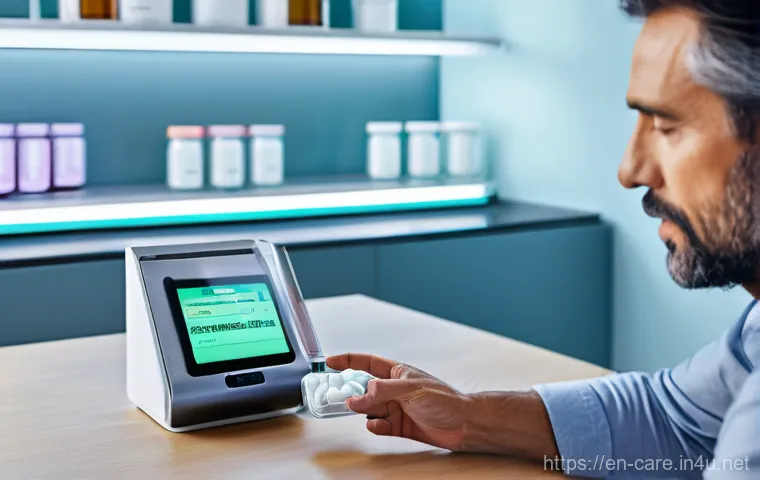
Beyond simple organizers, a new wave of tech solutions is emerging. There are smart pill dispensers that not only organize but also dispense the correct dose at the right time, often with audio and visual reminders, and even send alerts to caregivers if a dose is missed. Apps for your smartphone can also track your medications, log doses, and send reminders. Some even offer virtual consultations with pharmacists. Embracing these tools can transform medication management from a daily source of stress into a seamless, automated part of your routine, giving you and your family immense peace of mind.
Bringing Therapy Home: Continuing Your Journey to Strength
One of the most vital components of recovery after a major health event is continuing your rehabilitation. Whether it’s physical therapy, occupational therapy, or speech therapy, those gains made in the facility are precious, and the goal is to not only maintain them but to build upon them. The idea of navigating appointments and transportation can be daunting, but the good news is that home health services have become incredibly sophisticated and accessible. I’ve seen firsthand how much more comfortable and motivated people are when they can do their exercises in their own living room, using their own stairs, and practicing real-life movements in their familiar environment. This personalized, in-home approach often leads to faster, more sustainable progress because the therapy is directly relevant to your daily life. It’s about making your home your new gym and your daily routine your new therapy session, all guided by skilled professionals who come to you.
Personalized In-Home Rehabilitation Programs
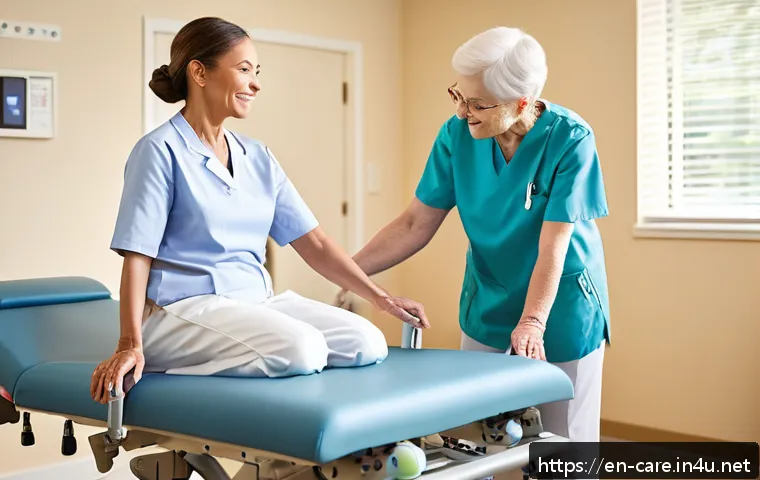
Many home health agencies now offer comprehensive therapy programs delivered right to your doorstep. A physical therapist might work with you on balance and strength exercises in your hallway, an occupational therapist could help you adapt your kitchen for easier meal preparation, and a speech therapist might work on communication skills right at your dining table. The beauty of this is the tailored approach; therapists can observe your actual home environment and create a plan specifically designed to improve your function within that context. This makes the therapy incredibly practical and directly applicable to your everyday challenges, which I’ve found makes a massive difference in patient engagement and outcomes.
Embracing Telehealth for Continued Support
Beyond in-person visits, telehealth has emerged as a powerful tool for ongoing therapy. Virtual sessions allow you to connect with your therapist via video call, perfect for check-ins, exercise modifications, and continuous monitoring, especially if transportation is an issue or you live in a more rural area. While it doesn’t replace hands-on treatment, it can be an excellent supplement, providing flexibility and ensuring you maintain consistent progress without the added stress of travel. I’ve seen how transformative these virtual connections can be, offering that consistent professional guidance right when you need it, from the comfort of your favorite armchair.
Building Your Care Team: Who’s On Your Side?
Recovering at home doesn’t mean going it alone; in fact, it often means building a new kind of team, one that’s centered entirely around you and your specific needs. This might sound intimidating, but it’s actually incredibly empowering. Think of it like assembling your personal dream team of support. This network extends beyond just immediate family to include healthcare professionals, community resources, and even close friends. The transition period can be complex, involving multiple appointments, new instructions, and often new equipment. Having a coordinated group of people who understand your situation and can help navigate the complexities is invaluable. I’ve personally found that the more eyes and ears you have on your care plan, the smoother everything tends to go. Communication is key here, ensuring everyone involved is on the same page and working towards the same recovery goals. It truly creates a safety net that allows you to focus on healing without being bogged down by logistical worries.
Coordinating with Your Medical Professionals
Your primary care physician (PCP) is your captain, overseeing your overall health. Ensure they receive all discharge summaries and medication lists. Depending on your condition, you might also have specialists like cardiologists, neurologists, or endocrinologists. Keep a master list of all your doctors and their contact information. Don’t hesitate to schedule follow-up appointments promptly and prepare a list of questions before each visit. Effective communication between all your medical providers is crucial, and sometimes you or a family member will be the central hub for relaying information, so embrace that role confidently.
Leveraging Home Health and Community Resources
Home health nurses, physical therapists, occupational therapists, and even social workers can be integral parts of your at-home team. They provide skilled care, monitor your progress, and help you adapt to your home environment. Beyond professional services, don’t overlook local community resources. Many areas offer senior centers with support groups, transportation services, meal delivery programs, or volunteer visitor programs. A quick search online or a call to your local Area Agency on Aging can uncover a wealth of support that can make a huge difference in your daily life and sense of well-being.
Tech Tools That Transform Post-Discharge Life

Let’s be honest, technology used to feel a bit intimidating, especially when you’re already dealing with a health challenge. But oh, how things have changed! The advancements in health tech specifically designed for home recovery are truly incredible and have personally given me so much peace of mind when helping loved ones. We’re talking about devices and apps that don’t just offer convenience but genuinely enhance safety, improve adherence to care plans, and connect you to professional support like never before. It’s not about replacing human connection; it’s about augmenting it and giving you more control and a greater sense of security in your own home. From monitoring vital signs remotely to offering virtual therapy sessions, these tools are game-changers, turning what could be a lonely and anxious recovery into a supported and informed journey. I’ve seen how even simple gadgets can make a massive difference in someone’s daily confidence.
Remote Monitoring Devices for Peace of Mind
Imagine having a device that keeps an eye on your blood pressure, heart rate, or blood sugar and automatically shares that data with your care team. That’s exactly what remote patient monitoring (RPM) offers. These devices are user-friendly and can provide crucial early warnings of potential issues, allowing your doctors to intervene before a small problem becomes a big one. For me, knowing that a professional is discreetly keeping tabs on vital signs, even when I’m not physically there, is incredibly reassuring. It’s like having an extra set of watchful eyes, which can be invaluable for conditions like heart failure or diabetes, preventing those dreaded emergency room visits.
Smart Home Solutions for Enhanced Safety and Independence
Beyond medical devices, smart home technology can play a huge role in home recovery. Think about voice-activated assistants that can turn lights on and off, set reminders for medications, or even call for help if needed. Smart door locks can provide secure access for caregivers without the need for physical keys. There are also personal emergency response systems (PERS) – those “I’ve fallen and can’t get up” buttons – which have evolved significantly to include fall detection and GPS tracking. These tools aren’t just for convenience; they significantly enhance safety and can foster a greater sense of independence for individuals recovering at home, letting them live life on their own terms with an added layer of security.
Proactive Steps to Prevent Readmission: Staying Strong at Home
The goal after leaving any facility is to stay home and continue getting better, right? Nobody wants to end up back in the hospital, and believe me, the healthcare system doesn’t want you there either if it can be avoided. Preventing readmission is a huge focus in modern post-discharge care, and it’s something you have a significant role in. It’s not just about following doctor’s orders; it’s about understanding your condition, recognizing warning signs, and knowing exactly when and how to seek help. This proactive approach gives you the power to manage your health effectively and ensures that any minor bumps in the road don’t derail your entire recovery. I’ve often emphasized to families that empowering yourself with knowledge and a clear action plan is your best defense against a revolving door of hospital visits. It’s about being an active participant in your own wellness journey, not just a passive recipient of care.
Understanding Warning Signs and When to Act
One of the most critical aspects of preventing readmission is truly understanding your condition and the specific warning signs to look out for. Your discharge team should provide you with a list of symptoms that warrant a call to your doctor or even emergency care. For instance, if you have heart failure, you might be told to watch for sudden weight gain or increased swelling; for a respiratory issue, it could be worsening shortness of breath. Don’t hesitate to ask for this information in writing and keep it somewhere easily accessible. If you notice any of these signs, don’t wait! Contact your care team immediately. Trust your gut feeling; if something doesn’t feel right, it’s always better to err on the side of caution and get professional advice.
Adopting Healthy Lifestyle Habits
Beyond medical management, your lifestyle choices play an enormous role in your long-term recovery and in keeping you out of the hospital. This includes adhering to any dietary restrictions, staying hydrated, getting adequate rest, and engaging in appropriate physical activity as guided by your therapists. Even small, consistent efforts can make a massive difference. For example, if you’re recovering from surgery, maintaining good nutrition supports wound healing. If you have a chronic condition, regular, gentle exercise can improve your overall well-being. These habits aren’t just “good to have”; they are essential pillars supporting your sustained health and independence at home, and I’ve seen them literally transform people’s recovery trajectories.
Funding Your Recovery: Understanding Your Care Options
Let’s talk about the elephant in the room: how to pay for all this incredible support. Navigating the financial landscape of post-discharge care can feel like a whole other challenge, but it doesn’t have to be a mystery. From my own experience, I’ve learned that there’s a wide array of options out there, and understanding them can significantly ease the burden and allow you to focus on what truly matters – healing. It’s about being informed and asking the right questions. Don’t assume that quality care is out of reach because of cost. Many programs are designed to be accessible, and knowing your eligibility can unlock a wealth of resources you might not even be aware of. The key is to be proactive in exploring these avenues and not to shy away from asking for help in understanding the intricacies of insurance and government programs. You deserve to receive the best care without financial stress adding to your recovery journey.
Deciphering Medicare and Private Insurance Benefits
For many, Medicare is the primary payer for post-acute care. Medicare Part A generally covers skilled nursing facility stays and home health care if you meet specific criteria, like needing intermittent skilled nursing care or therapy services. Medicare Part B covers outpatient therapy. However, the details can be complex, and there are often limits or co-pays. If you have private insurance or a Medicare Advantage plan, your benefits might differ significantly. It’s crucial to contact your insurance provider directly or work with a hospital social worker or care coordinator before discharge to understand what services are covered, for how long, and what your out-of-pocket expenses might be. This upfront clarity can prevent major financial surprises down the road.
Exploring State and Community Assistance Programs
Beyond traditional insurance, there’s a myriad of state-specific programs and community-based services that can provide financial assistance or direct support for home care. Medicaid, for example, often covers a broader range of in-home personal care services for eligible individuals. Many states also offer waiver programs that provide services to help people stay in their homes and communities rather than entering institutions. Local Area Agencies on Aging are fantastic resources for information on these programs, as well as connections to non-profit organizations that might offer services like meal delivery, transportation, or financial aid for equipment. Don’t hesitate to tap into these invaluable networks; they are there to help you navigate the system and ensure you get the support you need.
| Aspect of Care | Traditional Post-Discharge | Modern Home-Based Care | Key Benefits |
|---|---|---|---|
| Location of Care | Primarily facility-based, outpatient clinics for follow-ups. | Primarily within your own home, supplemented by virtual visits. | Comfort, familiarity, reduced travel, lower infection risk. |
| Personalization | Standardized protocols, less focus on individual home environment. | Highly individualized plans based on your specific living situation. | More effective and practical therapy, tailored support. |
| Technology Integration | Limited use beyond basic medical equipment. | Remote monitoring, smart medication dispensers, telehealth platforms. | Enhanced safety, real-time data for providers, increased adherence. |
| Support Network | Often requires family to coordinate all aspects. | Integrated team (nurses, therapists, social workers) with tech support for caregivers. | Reduced caregiver burden, professional coordination, continuous oversight. |
| Cost & Coverage | Varies greatly by facility and insurance, potential for higher out-of-pocket. | Often covered by Medicare/Medicaid and private insurance for qualifying services. | Potentially more cost-effective, better quality of life for the cost. |
Bringing It All Together
Whew, we’ve covered a lot, haven’t we? It’s truly amazing to see how much support and innovation are available today to make your journey home not just manageable, but genuinely empowering. Remember, coming home after a medical stay is a huge step, and it’s absolutely okay to feel a mix of emotions – from immense relief to a touch of apprehension. But with a bit of proactive planning, a dash of smart technology to lend a hand, and a solid, well-coordinated support system, you’re not just recovering; you’re reclaiming your independence and thriving right where you belong. You’ve truly got this, and there are so many fantastic resources ready to help you every single step of the way, transforming what could be a challenging transition into a confident stride towards lasting wellness. Embrace the possibilities!
A Few More Smart Tips You’ll Appreciate
1. Don’t underestimate the power of a good follow-up appointment. Seriously, those post-discharge check-ins with your doctor aren’t just formalities; they’re vital opportunities to adjust medications, address new concerns, and ensure your recovery is on track. Always prepare a list of questions beforehand, and don’t hesitate to bring a family member or friend along to help take notes. It’s like having a co-pilot for your health journey, making sure you don’t miss any crucial navigation points. These appointments are your chance to fine-tune everything and keep your recovery sailing smoothly, so mark them on your calendar and treat them as non-negotiable. Knowing what to expect and what to ask can make all the difference, helping you feel more in control and less overwhelmed as you move forward. Your healthcare providers are there to partner with you, so make the most of those opportunities to connect and clarify.
2. Keep a recovery journal! I know it sounds old-fashioned, but jotting down your daily progress, any new symptoms, or even just how you’re feeling emotionally can be incredibly insightful. This isn’t just for your own reflection; it provides invaluable information for your doctors and therapists during appointments, helping them understand the nuances of your recovery journey far better than a simple “I’m doing okay” ever could. Plus, looking back at how far you’ve come can be a huge motivator on days when you feel a bit down, reminding you of your strength and resilience. It can also help you identify patterns, whether it’s related to energy levels, pain, or even the effectiveness of new routines, giving you concrete data to share and discuss with your care team. There’s something truly therapeutic about writing it all down, too.
3. Hydration and nutrition are your unsung heroes in recovery. It’s easy to overlook, especially when you’re focused on medications and therapy, but what you put into your body directly impacts your healing process and energy levels. Make sure you’re drinking plenty of water – often more than you think you need – and focusing on nutrient-dense foods that support tissue repair and boost your immune system. If cooking is a challenge, explore meal delivery services or ask family and friends for support with meal prep. Your body is doing a lot of hard work repairing itself, and fueling it properly is like giving it the best tools for the job, literally rebuilding your strength from the inside out. Don’t underestimate how much a balanced diet can influence your mood and overall well-being during this crucial time.
4. Embrace the “slow and steady wins the race” mantra. It’s natural to want to bounce back immediately, but recovery is a marathon, not a sprint. Pushing yourself too hard too soon can lead to setbacks, extended recovery times, or even re-injury, which is the last thing anyone wants. Listen to your body, respect its limits, and celebrate small victories—like walking a few extra steps or managing a new daily task. A little patience and consistency will yield far better long-term results than trying to rush the process. Trust me, I’ve seen countless people try to push it, only to find themselves taking two steps back, so be kind to yourself and honor your body’s unique healing timeline. Each day brings new progress, no matter how small it seems.
5. Don’t be afraid to ask for help, and be specific about what you need. People genuinely want to support you, but they often don’t know how to best lend a hand. Instead of a general “Can you help me?” try “Could you pick up groceries on Tuesday?” or “Would you mind staying with me for an hour so I can shower safely?” Specific requests are easier for people to fulfill and ensure you get the assistance that truly makes a difference in your daily life. Remember, accepting help isn’t a sign of weakness; it’s a smart, pragmatic strategy for a stronger, smoother, and less stressful recovery. It allows you to conserve your energy for healing and shows that you’re an active participant in your own care, leveraging all available resources, including your invaluable support system.
Key Takeaways for Lasting Health
Ultimately, navigating the journey home after a hospital or facility stay is undeniably a significant undertaking, but it’s one that’s now more supported than ever before, offering incredible opportunities for growth and renewed independence. If there’s one overarching message I hope you take away from our chat today, it’s this: you are absolutely not alone in this process. By thoughtfully preparing your home environment, diligently managing your medications with available tools, consistently engaging with your personalized therapy programs, actively building a strong and communicative support network, and wisely leveraging the amazing technological advancements at your fingertips, you’re doing far more than just recovering. You’re proactively setting yourself up for not only a successful and smooth recovery but also for building lasting health and a vibrant sense of well-being right in the comfort of your own home. Embrace the wealth of available resources, trust your instincts about your body, and celebrate every single, often small, victory on your path back to full strength and confidence. Your wellness journey continues, and it’s a powerful one!
Frequently Asked Questions (FAQ) 📖
Q: Coming home feels like a relief, but also a bit scary. What are the biggest hurdles families often face right after discharge from a nursing or skilled nursing facility?
A: Oh, trust me, I’ve been there, and I hear this from so many families! That initial wave of relief often gives way to a whole new set of anxieties once you’re back home.
From what I’ve experienced and heard, one of the biggest challenges is definitely managing complex medication schedules. In the facility, there’s always someone there to ensure meds are taken on time, but at home, it’s all on you.
Keeping track of multiple prescriptions, dosages, and timings can feel like a full-time job, and the fear of making a mistake is very real. Beyond that, continuing the gains made in physical or occupational therapy without constant professional guidance is a huge hurdle.
You want to maintain progress, but balancing exercises with daily chores and life can be tough. And let’s not forget the sheer emotional and logistical load of coordinating follow-up appointments with different specialists.
It’s like a jigsaw puzzle trying to fit everything in, often with transportation issues adding to the stress. The truth is, the absence of a call button to summon immediate help can feel incredibly isolating, making everything from bathing to navigating stairs seem more daunting.
It’s no wonder many people worry about readmission – the system often leaves a gap between institutional care and independent living, and that’s precisely where modern solutions are stepping in to make a huge difference.
Q: With all these worries, how can these new post-discharge programs really help prevent someone from ending up back in the hospital?
A: That’s the million-dollar question, isn’t it? The fear of readmission is incredibly common, and honestly, it’s a valid concern given how abrupt the transition can feel.
But here’s where these innovative post-discharge programs truly shine. They’re designed from the ground up to close those care gaps we just talked about.
I’ve seen firsthand how a personalized plan, crafted specifically for the patient’s unique needs, can be a game-changer. It’s not just a generic checklist; it’s about providing consistent, targeted support.
Think about it: instead of trying to figure out your physical therapy exercises from memory, you might have virtual sessions or in-home visits from a therapist, ensuring you’re doing them correctly and staying motivated.
Many programs utilize cutting-edge remote monitoring technology – wearable devices or smart sensors that track vital signs and activity levels. This means early detection of potential issues before they escalate, almost like having a watchful eye without being intrusive.
Plus, these programs often include dedicated care coordinators who act as your personal navigators, helping you schedule appointments, connecting you with community resources, and even troubleshooting medication issues.
This comprehensive, proactive approach makes all the difference, empowering you to manage your health confidently and significantly reducing the likelihood of an unexpected return trip to the hospital.
Q: What kind of practical, day-to-day support can I actually expect from these modern home care and post-discharge programs? What makes them “cutting-edge”?
A: When we talk about “cutting-edge” support, we’re really talking about a blend of personalized human connection and smart technology that makes daily life safer and more manageable.
On a practical level, you can often expect things like personalized medication management support – perhaps smart pill dispensers that remind you when to take your meds, or even pharmacists available for virtual consultations to clarify instructions.
For therapy, many programs offer virtual reality or gamified exercises that make continuing your rehab fun and engaging, right in your living room, with therapists monitoring your progress remotely.
What truly sets these modern programs apart, in my opinion, is the integration of remote patient monitoring. Imagine having a small device that tracks your heart rate, blood pressure, or oxygen levels, and transmits that data securely to a care team.
If there’s a sudden change, they get an alert and can intervene quickly, often with a phone call or a virtual visit, before it becomes an emergency. Some programs even use AI-powered platforms to analyze data and predict potential risks, giving you and your care team a powerful advantage.
Plus, many offer access to telehealth services, so you can connect with doctors or specialists from the comfort of your home, reducing the stress and hassle of travel.
It’s all about creating a continuous, proactive safety net that adapts to your evolving needs, giving you and your loved ones genuine peace of mind and the tools to thrive at home.