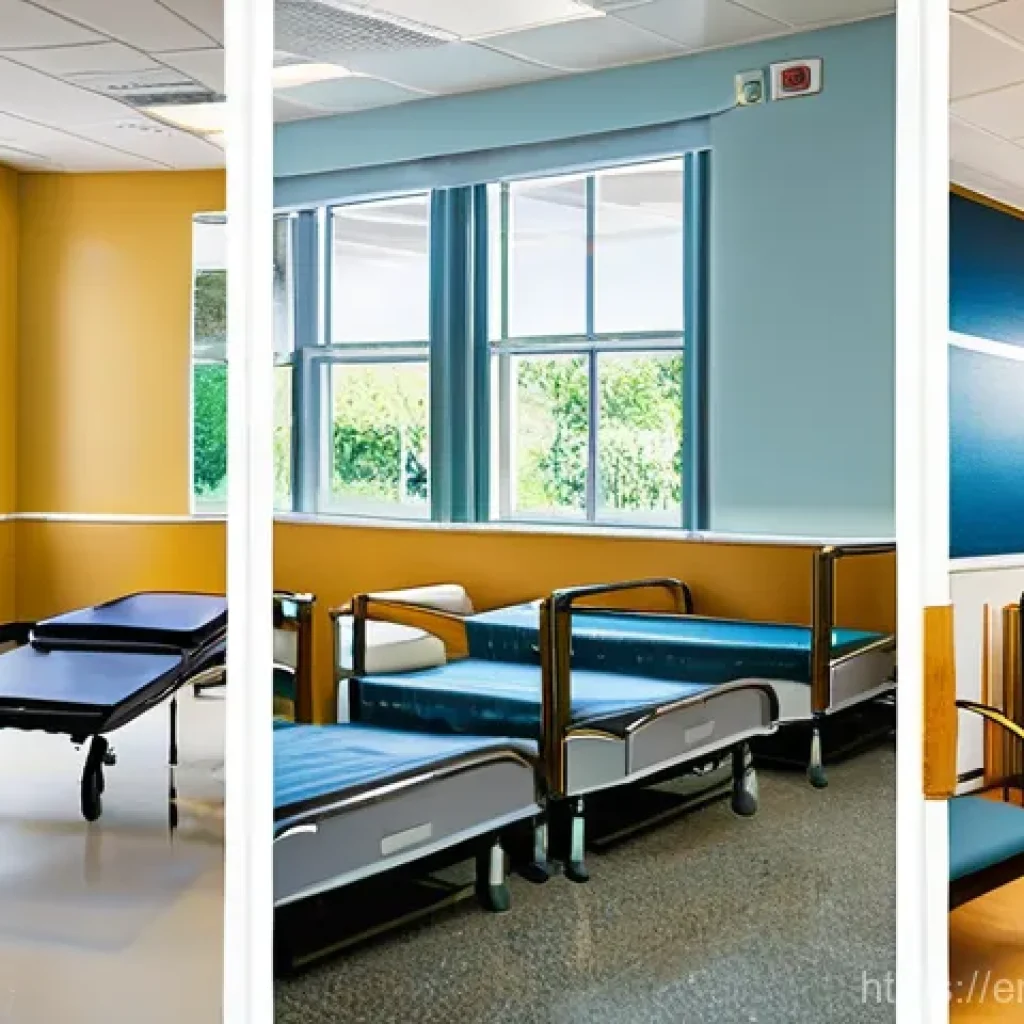
Hey everyone, ever found yourself in that tricky spot, wondering what’s next for a loved one after a hospital discharge? I’ve certainly been there, wrestling with the jargon and trying to figure out the best path forward.
It’s incredibly common to hear “nursing home” and “rehabilitation center” used almost interchangeably, as if they’re two sides of the same coin. But let me tell you, from personal experience navigating these vital decisions, they are as distinct as night and day, each serving a profoundly different purpose in the journey towards recovery and sustained well-being.
Making the right choice isn’t just about finding a bed; it’s about aligning the facility’s focus with the patient’s actual needs, whether it’s regaining lost function or requiring long-term compassionate care.
Trust me, understanding these key distinctions can save you a ton of stress, time, and even money, ensuring your family member gets exactly the right support to thrive.
We’re going to dive deep into the specific details that truly set them apart, ensuring you walk away with absolute clarity on this important topic.
Beyond the Buzzwords: Understanding the Core Mission

When I first started looking into options for my grandmother, the sheer volume of information felt overwhelming, and honestly, a little intimidating. It seemed like every other person I spoke to used “nursing home” and “rehab center” as if they were interchangeable terms, and that really muddied the waters for me.
But as I dove deeper, I quickly realized that understanding their fundamental ‘why’ was the absolute key to making an informed decision. Think of it this way: a rehabilitation center is fundamentally driven by a mission of active recovery and regaining independence.
Their entire setup, from the specialized equipment to the intensive therapy schedules, is geared towards helping someone bounce back after a surgery, a stroke, or a serious injury.
It’s a place where you’re putting in the hard work to get strong enough to go home. On the flip side, a nursing home, or what many now call a skilled nursing facility for long-term care, has a profoundly different purpose.
It’s designed to be a permanent or semi-permanent residence for individuals who need ongoing, around-the-clock medical care, assistance with daily activities, and a supportive living environment that can no longer be safely provided at home.
It’s not about intense, short-term recovery, but about providing a safe, comfortable, and medically supervised home for the long haul. This distinction, which seems so obvious in hindsight, was a complete game-changer for me when I was in the thick of it, helping me to filter out what wasn’t relevant to her specific needs.
Immediate Goals: Short-Term Gains vs. Sustained Support
A rehabilitation center’s goals are almost always short-term and highly focused. They’re all about getting you from point A (post-injury/illness) to point B (back home, or to a less intensive care setting) as quickly and safely as possible.
The entire care plan revolves around measurable improvements in function and mobility. For instance, my uncle went to a rehab center after a hip replacement, and his therapy schedule was rigorous, aiming for specific milestones like walking with a walker, then a cane, within a set timeframe.
A nursing home, conversely, has a different kind of goal. While some residents might have short-term rehab stays there, the primary objective for long-term residents is to manage chronic conditions, prevent decline, and maintain the highest possible quality of life in a supportive environment.
It’s about ongoing support and sustained well-being, not necessarily a rapid return to a previous state of independence.
The Underlying Philosophy: Repair vs. Residence
When you walk into a rehabilitation center, there’s an undeniable energy that screams “get better!” The atmosphere is often buzzing with activity, therapists guiding patients through exercises, and a palpable sense of determination.
It’s a medical model, an intensive, multidisciplinary approach aimed at improving, restoring, and maintaining functional ability. You’re there to repair, to rebuild.
A nursing home, however, often feels more like a residential community, a place where people live. While medical care is central, the philosophy extends to creating a sense of home, offering social activities, and providing personal care in a more relaxed, long-term setting.
It’s about providing a safe and comfortable residence, where comprehensive care is integrated into daily life.
The Recovery Road vs. Long-Term Living: A Different Pace
Thinking back to my neighbor’s experience after her stroke, the pace of her recovery journey was starkly different from what I saw with other family friends who needed long-term residential care.
It’s like comparing a sprint to a marathon, both requiring immense effort but structured in entirely distinct ways. Rehabilitation centers are designed for intense, focused intervention.
We’re talking three hours of therapy a day, sometimes six days a week, pushing boundaries to regain lost function. It’s a demanding schedule, but it’s effective for those who are motivated and medically able to participate in such a rigorous program.
The goal is to maximize recovery in a relatively short period, often within a few weeks to a couple of months. This intense environment means that residents are actively working towards discharge, constantly being evaluated for progress to ensure they can transition back to their homes or a less intensive care setting.
It’s truly inspiring to see people put in that kind of effort and achieve significant improvements. On the other hand, nursing homes, while they do offer rehabilitation services, approach therapy at a much more moderate pace, typically one to two hours per day.
For many residents, the focus isn’t on a rapid return home, but on managing ongoing health conditions, receiving help with daily activities like bathing and dressing, and simply living comfortably with consistent support.
It’s a long-term care environment, a place where daily life includes medical oversight, personal assistance, and social engagement, often for months or even years.
The daily rhythm is less about intensive therapy and more about creating a stable, supportive, and safe living situation for those who can no longer safely manage on their own.
Intensive Therapy: The Rehab Advantage
When a rehabilitation center is the right choice, it’s often because a patient needs a high level of intensive, specialized therapy. This could be physical therapy to regain strength after an injury, occupational therapy to relearn daily tasks, or speech therapy after a stroke.
These facilities boast specialized equipment and staff (physical, occupational, and speech therapists) who work closely with patients to develop personalized treatment plans aimed at restoring independence.
I’ve seen firsthand how a structured, goal-oriented approach in a rehab setting can make a monumental difference in a person’s recovery trajectory, sometimes even achieving outcomes that seemed impossible at first.
A Home Away From Home: The Nursing Home Experience
For individuals requiring long-term care, a nursing home provides a comprehensive living solution. It’s a place where they receive 24/7 skilled nursing care, assistance with activities of daily living (ADLs) such as eating, dressing, and hygiene, and medical supervision for chronic conditions.
While therapy is available, it’s usually less intensive and integrated into the broader care plan, focusing on maintenance rather than aggressive recovery.
The emphasis is on comfort, safety, and creating a community environment where residents can engage in social and recreational activities. It’s about building a life there, with the assurance that all their needs are being met.
Who Benefits Most? Tailoring Care to Individual Needs
This is where the rubber really meets the road, isn’t it? Choosing the right facility isn’t just about what’s available, it’s about a deep dive into what your loved one genuinely needs, both medically and emotionally.
I learned this the hard way when a friend’s mother was discharged from the hospital. Everyone assumed she’d go straight to a nursing home, but after talking with her doctors and really assessing her potential for recovery after a fall, it became clear that intensive rehabilitation was the better first step.
It truly highlights how critical it is to match the care environment to the patient’s specific circumstances, rather than just going with the most commonly heard option.
A rehabilitation center is truly designed for those who have a clear path to recovery, where intensive therapy can lead to significant improvements and a return to a more independent lifestyle.
We’re talking about individuals recovering from strokes, major surgeries like hip or knee replacements, traumatic injuries, or acute illnesses where intense, daily therapy can make a huge difference in regaining function.
The patients here are typically motivated to work hard and have the potential to achieve functional independence within a relatively short period, often looking to get back home as soon as possible.
It’s about empowering them to overcome a specific hurdle. On the other hand, nursing homes serve a very different, yet equally vital, population. These facilities are generally for individuals who require ongoing, comprehensive care due to chronic conditions, disabilities, or significant age-related decline that makes living independently or even with home care challenging.
They might need extensive help with daily activities, around-the-clock medical supervision for complex health issues like advanced dementia, severe mobility impairments, or multiple chronic diseases.
The focus shifts from intensive recovery to sustained care, comfort, and safety in a supportive residential setting. It’s about providing a stable and caring environment when returning home isn’t a realistic or safe option.
Post-Acute Care: When Rehab Shines
When someone is discharged from a hospital after an acute event—say, a bad fracture, a stroke, or a cardiac episode—and still needs to regain strength and function, an inpatient rehabilitation center is often the best call.
These centers specialize in “post-acute care,” offering a structured environment where physical, occupational, and speech therapists, along with nurses and doctors, work in concert to help patients achieve specific, time-bound recovery goals.
The intensive nature of the therapy means patients are actively engaged in their recovery for several hours a day, pushing towards regaining mobility, speech, or the ability to perform daily activities.
Chronic Conditions and Elder Care: The Nursing Home Niche
Conversely, nursing homes primarily serve individuals with chronic health conditions, cognitive impairments like Alzheimer’s, or significant physical disabilities that necessitate 24-hour skilled nursing care and extensive assistance with daily living activities.
Many residents require help with eating, bathing, dressing, and toileting on an ongoing basis. For these individuals, a nursing home provides a safe, monitored, and supportive environment where their medical and personal care needs are met consistently, preventing complications and maintaining their well-being when living at home is no longer feasible.
Navigating the Financial Labyrinth: What Your Wallet Needs to Know
Oh, the financial side of healthcare, right? It’s often the part that makes your head spin the most, and honestly, it’s one of the biggest stressors when you’re trying to make the best decision for a loved one.
I still remember the hours I spent on the phone with insurance companies, trying to decode what was covered and what wasn’t for my aunt’s post-surgical care.
It felt like I needed a degree in insurance jargon just to ask the right questions! The truth is, the costs and insurance coverage for rehabilitation centers versus nursing homes can be dramatically different, and understanding these nuances can save you from unexpected bills and a lot of heartache.
Generally speaking, short-term rehabilitation stays, especially in an inpatient rehabilitation facility (IRF) or a skilled nursing facility (SNF) following a qualifying hospital stay, are often covered, at least in part, by Medicare Part A or private insurance.
For example, Medicare Part A typically covers up to 100 days of skilled nursing care per benefit period, with the first 20 days often fully covered (after meeting the deductible), and a daily co-pay for days 21-100.
This coverage is specifically for medically necessary skilled services, like physical therapy or wound care, aimed at helping a patient recover and return home.
However, it’s crucial to understand that once the need for *skilled* care diminishes or the benefit period runs out, Medicare coverage usually ceases.
Long-term care in a nursing home, on the other hand, is a different beast entirely. Medicare generally does *not* cover long-term custodial care, which includes help with daily activities like bathing, dressing, or eating, unless it’s part of a short-term skilled stay.
This is a huge distinction, and it means that for extended stays in a nursing home, families often rely on private funds, long-term care insurance, or Medicaid, which has strict income and asset eligibility requirements that vary by state.
The costs can be substantial, and careful financial planning is absolutely essential to ensure sustainable care without depleting family resources too quickly.
Insurance Coverage: A Key Differentiator
When you’re talking about getting the bills paid, insurance is often the main character in this story. Medicare Part A is a lifesaver for many, covering short-term, medically necessary stays in skilled nursing facilities or inpatient rehab centers after a qualifying hospital stay (usually at least three consecutive days).
They’re focused on getting you back on your feet. However, Medicare generally won’t pay for long-term “custodial care” in a nursing home, which is the daily assistance with basic needs.
For that, you’re usually looking at private long-term care insurance, personal funds, or Medicaid, which is a state-specific program for those with limited financial resources.
Out-of-Pocket Costs: Preparing for the Unexpected
Even with insurance, there can be significant out-of-pocket costs. Medicare often has co-pays for rehab stays beyond 20 days. For long-term nursing home care, without private insurance, the costs can be astronomical, potentially running into thousands of dollars per month, depending on the facility and location.
I always advise families to thoroughly investigate all potential costs, deductibles, and co-insurance rates, and to speak directly with the financial counselors at any prospective facility.
It’s better to be armed with all the information upfront than to be surprised later.
Daily Life Unpacked: A Glimpse Inside Each Setting
I’ve had the unique opportunity, through both personal experience and friends’ stories, to see what daily life looks like in both these environments. It’s fascinating how the very air feels different.
In a rehab center, there’s an undeniable hustle and bustle, a purposeful energy that drives everything from morning routines to evening wind-downs. Everyone seems to be on a mission, whether it’s pushing themselves in physical therapy or tackling cognitive exercises.
It’s an environment geared towards progression, where even downtime feels like a moment to recharge for the next session. Contrast that with a long-term nursing home, and you find a rhythm that’s more akin to a comfortable, albeit medically supported, residential setting.
It’s calmer, more about consistent care and quality of life. Understanding these daily differences can really help you visualize where your loved one might thrive best, because the emotional and social environment plays such a huge role in their overall well-being.
A typical day in a rehabilitation center is a highly structured affair, often starting early with breakfast, followed by a demanding schedule of therapy sessions.
Patients might spend several hours a day in physical, occupational, or speech therapy, interspersed with meals and perhaps some group activities. The environment is geared towards intensive work, with staff constantly monitoring progress and adapting treatment plans.
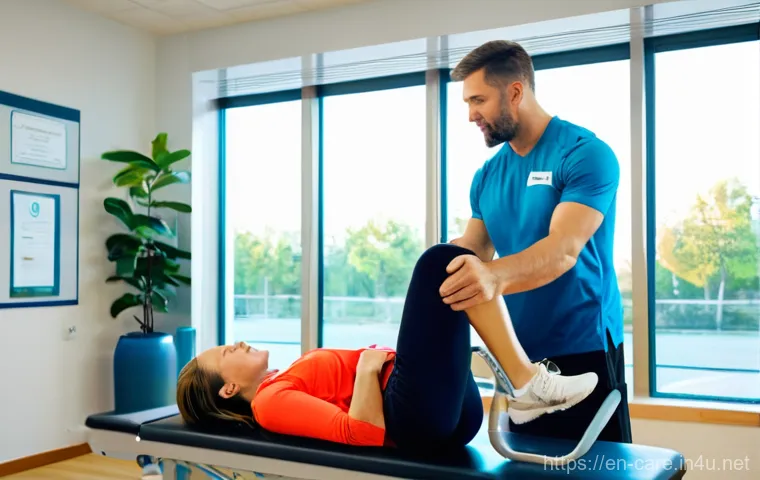
There’s a strong emphasis on self-care and relearning daily activities, with therapists guiding patients through everything from getting dressed to navigating a simulated home environment.
Even outside of formal therapy, rehabilitation associates are available to help patients practice activities important to them. It can be exhausting, but also incredibly rewarding as patients see tangible improvements in their abilities.
In a nursing home, the daily routine is generally less intense and more focused on providing consistent support for daily living. Residents typically wake up and receive assistance with personal care like bathing and dressing.
Days involve regular meals, medication management, and various social and recreational activities designed to promote engagement and well-being. While therapy is available, it’s usually less frequent and intensive than in a dedicated rehab center, often focusing on maintaining current abilities or slowing decline.
The atmosphere is more residential, with opportunities for socializing, entertainment, and personal time, reflecting its role as a long-term home.
Structured Days: Therapy Schedules and Activities
In a rehabilitation center, your day is basically a carefully orchestrated symphony of therapy. Think early mornings, group therapy sessions, individual therapy with specialized therapists (physical, occupational, speech), and educational workshops.
There’s typically very little “downtime” as every moment is an opportunity for healing and skill-building. My friend described it as “boot camp for recovery,” but in the most supportive way possible.
You’re constantly working towards regaining functionality, and the schedule reflects that laser focus.
Personal Care and Social Engagement: A Holistic Approach
Nursing homes, by their very nature, blend medical care with a focus on quality of life. Residents receive consistent help with daily living activities (ADLs) throughout the day, ensuring their comfort and hygiene.
Beyond the basics, these facilities prioritize social engagement. They often have robust activity calendars filled with games, music, crafts, outings, and opportunities for residents to interact and build a community.
It’s about living, not just existing, and providing a dignified environment where social connections and mental stimulation are just as important as medical care.
Making the Move: Transitioning Back Home or Staying Put
This is often the ultimate question for families: what happens next? The vision of a loved one returning home after a period of care is a powerful one, and it’s certainly what many hope for.
I’ve walked through this scenario with several families, and the planning involved is intricate, often starting much earlier than you’d expect. The distinction between a rehab center’s focus on discharge versus a nursing home’s role as a permanent residence really shapes this entire conversation.
It truly boils down to the intended outcome and the level of support an individual will need beyond the facility’s walls. A rehabilitation center’s primary objective is to get patients well enough to return home or to a lower level of care, and discharge planning starts almost immediately upon admission.
This means that while a patient is undergoing intensive therapy, the care team – including social workers and case managers – is simultaneously working with the family to assess the home environment, arrange for necessary equipment, set up outpatient therapies, or coordinate home health services.
The goal is a smooth and safe transition back to independence, armed with the tools and support needed to maintain their gains. The length of stay in rehab is typically short, ranging from a few weeks to a couple of months, driven by medical necessity and the patient’s progress.
It’s all about a successful exit strategy. Conversely, for many individuals, a nursing home represents a more permanent living solution. While some residents might have short-term rehab stays within a nursing home, the facility is designed for those who require ongoing, long-term care due to chronic conditions or disabilities that prevent them from living safely at home, even with significant assistance.
For these residents, the “transition” isn’t about leaving the facility; it’s about making the nursing home their home, fostering a sense of community, and ensuring their continuous medical and personal care needs are met in a stable environment.
The decision to place a loved one in long-term nursing home care is often a difficult but necessary one, signifying a shift in lifestyle and care provision.
Discharge Planning: The Rehab Focus
From day one in a rehabilitation center, the clock is ticking, and the focus is firmly on discharge. The care team, including therapists, nurses, and social workers, meticulously plans for the patient’s return home, assessing their functional abilities, arranging for durable medical equipment (like walkers or shower chairs), and setting up follow-up appointments or home health services.
My neighbor’s sister, after knee surgery, had weekly meetings with her case manager to ensure everything was in place for a safe return home, from grab bars in the bathroom to meal delivery services.
It’s all about empowering independence and preventing re-hospitalization.
Permanent Residency: The Nursing Home Reality
For many in a nursing home, the facility becomes their permanent residence. The planning shifts from “going home” to ensuring a high quality of life within the nursing home itself.
This involves person-centered care plans that address not only medical needs but also social, emotional, and spiritual well-being. Staff work to create a familiar and comfortable environment, facilitating social activities, family visits, and a sense of community.
It’s about providing a compassionate and stable home for the long term.
The Staffing Story: Expertise and Dedication Where It Matters
Honestly, the people who work in these facilities are the true heart of the operation, and their expertise is what makes all the difference. When I was looking for care, I paid close attention to the staff – their interactions with patients, their qualifications, and just the general atmosphere they created.
It quickly became clear that while both types of facilities employ dedicated professionals, the *types* of specialists you encounter, and their primary focus, vary significantly.
This distinction isn’t just a technicality; it directly impacts the kind of care your loved one will receive and the overall experience they’ll have. In a rehabilitation center, you’ll find a highly specialized team focused intently on recovery.
This typically includes a robust contingent of physical therapists (PTs), occupational therapists (OTs), and speech-language pathologists (SLPs), who deliver the intensive, daily therapy that is the cornerstone of rehabilitation.
There are also rehabilitation physicians, nurses, and case managers, all working in a coordinated fashion to help patients regain function after a stroke, injury, or surgery.
The emphasis here is on acute, goal-oriented intervention to restore independence as quickly as possible. The environment often feels very dynamic, with therapists actively guiding patients through exercises and activities throughout the day.
In contrast, a nursing home provides a broader spectrum of care, primarily focused on long-term medical and personal support. While they do offer rehabilitation services, the core staffing often includes registered nurses (RNs), licensed practical nurses (LPNs), and certified nursing assistants (CNAs) who provide 24/7 skilled nursing care and assistance with activities of daily living.
Physicians may visit regularly, perhaps once a week, but are not typically on-site daily as they might be in an inpatient rehab hospital. The staff in a nursing home are experts in managing chronic conditions, administering medications, providing wound care, and ensuring the comfort and safety of residents who need ongoing, comprehensive support.
Their dedication is crucial for maintaining the quality of life for those who call the nursing home their permanent residence.
Specialized Therapists: The Heart of Rehabilitation
Walk into a rehabilitation center, and you’ll immediately notice the prominence of therapists. These are the unsung heroes focusing on specific modalities: physical therapists helping with mobility and strength, occupational therapists assisting with daily tasks like dressing and cooking, and speech therapists working on communication and swallowing.
They’re the driving force behind the intensive, structured programs, using their specialized knowledge to guide patients through challenging but rewarding recovery journeys.
Comprehensive Care Teams: Daily Support and Medical Oversight
Nursing homes boast a comprehensive team dedicated to 24/7 care. This includes registered nurses (RNs) and licensed practical nurses (LPNs) who handle medical needs, medication management, and skilled procedures.
Certified nursing assistants (CNAs) are the backbone, providing essential personal care and daily assistance. While therapists are present, the overall team structure is geared towards continuous medical supervision and support for chronic conditions, ensuring residents’ safety and well-being around the clock.
When to Choose Which: Your Decision-Making Compass
Navigating these choices can feel like standing at a crossroads, trying to figure out which path is truly the right one for someone you love. It’s a moment that can be filled with anxiety, second-guessing, and an overwhelming desire to do what’s best.
I’ve been there, staring at pamphlets and trying to reconcile brochures with my intuition. What I’ve learned is that there’s no single “right” answer for everyone, but there is a right answer for *your* specific situation.
It takes careful consideration, honest conversations, and sometimes, a little bit of detective work to ensure the facility’s focus truly aligns with the patient’s needs and long-term goals.
Making this decision isn’t just about logic; it’s about blending practical considerations with a deep understanding of the patient’s individual personality, preferences, and what will genuinely make them feel safe, supported, and hopeful.
Key Questions to Ask Yourself
To truly determine the best fit, I recommend asking some crucial questions. First, what is the patient’s primary medical need right now? Is it intensive therapy to regain lost function after an acute event, or is it ongoing medical care and assistance with daily living for chronic conditions?
Second, what is the expected length of stay and the ultimate goal? Is the aim to return home with renewed independence, or is it to find a safe, supportive, and permanent residential environment?
Third, what does their insurance cover, and what are the potential out-of-pocket costs for each option? And finally, and perhaps most importantly, what are the patient’s personal preferences and priorities?
Their comfort, dignity, and quality of life should always be at the forefront of the decision-making process.
Trusting Your Gut and Seeking Advice
Ultimately, after gathering all the facts and weighing the pros and cons, there’s a certain point where you just have to trust your gut feeling. Visit the facilities, talk to the staff, observe the interactions, and try to imagine your loved one there.
Don’t hesitate to lean on medical professionals – their doctors, hospital discharge planners, and social workers – for their expert recommendations. They see these situations every day and can offer invaluable insights.
And remember, you’re not alone in this; family, friends, and support groups can also provide emotional support and shared experiences that can guide your decision.
It’s a big step, but with careful consideration, you can make the choice that feels absolutely right for your family.
| Feature | Rehabilitation Center | Nursing Home (Skilled Nursing Facility for Long-Term Care) |
|---|---|---|
| Primary Purpose | Intensive, short-term recovery and regaining independence after illness/injury. | Long-term residential care, managing chronic conditions, and assistance with daily living. |
| Length of Stay | Typically short-term (weeks to a few months). | Can be short-term (for rehab) or long-term (months to years). |
| Intensity of Therapy | High: 3+ hours/day, 5-6 days/week. | Moderate: 1-2 hours/day, less frequent. |
| Medical Oversight | Daily access to doctors (especially in hospital-based rehab), nurses. | 24/7 nursing care; physician visits weekly or as needed. |
| Key Staff | Physical, Occupational, Speech Therapists, Rehab Physicians. | Registered Nurses (RNs), Licensed Practical Nurses (LPNs), Certified Nursing Assistants (CNAs). |
| Discharge Goal | Return home or to a lower level of care. | Often permanent residency; may transition to assisted living or home care if health improves. |
| Medicare Coverage | Often covered for medically necessary short-term stays after qualifying hospital stay. | Covers short-term skilled care; generally NOT long-term custodial care. |
| Environment | Structured, active, goal-oriented. | Residential, supportive, focuses on comfort and community. |
글을 마치며
Whew, we’ve really peeled back the layers today, haven’t we? It’s easy to get caught up in all the medical jargon and seemingly similar options when you’re facing such an important decision for a loved one. My hope, truly, is that by sharing these insights—many of which I wished I had known from the get-go—you feel a little more confident, a lot less bewildered, and ready to navigate this journey with clarity. Understanding whether a rehabilitation center or a nursing home is the right fit isn’t just about labels; it’s about aligning the facility’s core mission with the unique needs and hopes of the person you care for. This isn’t a small choice, but an informed one can make all the difference in their recovery, comfort, and quality of life.
알아두면 쓸모 있는 정보
Here are a few nuggets of wisdom I’ve picked up along the way that might just make your life a little easier when you’re exploring these options:
1. Always visit in person, and preferably unannounced. While brochures and websites are great, nothing beats seeing a facility with your own eyes. Pay attention to the atmosphere, cleanliness, and how staff interact with residents. Does it feel warm and inviting, or sterile and rushed? Trust your gut feeling here, it’s usually spot on.
2. Chat with residents and their families if you can. They are your most valuable source of unfiltered information. Ask about the food, the activities, the responsiveness of the staff, and any concerns they might have. A quick, friendly conversation can reveal so much more than any official tour.
3. Verify ALL insurance coverage directly with your provider AND the facility’s financial office. Do not rely on assumptions. Policies change, and what’s covered for short-term rehab might be completely different for long-term care. Get everything in writing and understand your potential out-of-pocket expenses upfront to avoid shocking bills down the line.
4. Prepare a list of tough questions. Don’t be shy! Ask about staff-to-patient ratios, emergency protocols, how often doctors visit, what specific therapies are offered, and how they handle dietary restrictions or personal preferences. A good facility will welcome your questions and provide clear, reassuring answers.
5. Consider a geriatric care manager. If you’re feeling completely overwhelmed, these professionals specialize in navigating elder care options. They can assess your loved one’s needs, help you find suitable facilities, and even assist with paperwork and transitions. It’s an investment that can save you immense stress and ensure you’re making the most informed choice possible.
중요 사항 정리
Let’s boil it all down. When you’re choosing between a rehabilitation center and a nursing home, remember this: A rehab center is your dedicated pit stop for intensive, short-term recovery, focusing on getting your loved one back on their feet and homebound with goal-oriented therapy. Think of it as a focused burst of healing. A nursing home, conversely, is built for the long haul, serving as a permanent residence that provides continuous, skilled medical care and assistance with daily living for individuals who can no longer safely manage at home. The key is to match the patient’s current medical needs, their potential for recovery, and their desired long-term living situation with the right environment. Always prioritize their comfort, dignity, and quality of life above all else, because ultimately, you’re helping them find the best possible place for their next chapter.
Frequently Asked Questions (FAQ) 📖
Q: What’s the main difference between a nursing home and a rehabilitation center?
A: This is the million-dollar question, isn’t it? And believe me, it’s one I’ve wrestled with firsthand. Think of it this way: a rehabilitation center is all about getting back on your feet, often after an injury, surgery, or a debilitating illness like a stroke.
Their primary goal is intensive, short-term therapy – think physical, occupational, or speech therapy – to help someone regain lost function and independence so they can eventually return home or to a less intensive care setting.
I’ve seen incredible transformations happen in these places; it’s truly focused on recovery and getting you strong enough to tackle daily life again. A nursing home, on the other hand, often called a skilled nursing facility, typically provides longer-term, comprehensive care for individuals who need continuous medical attention, assistance with daily activities like bathing and dressing, or supervision due to chronic health conditions, cognitive impairments like dementia, or general frailty.
While some nursing homes do offer rehabilitation services, their core mission is ongoing care and support for those who can’t safely live at home. From my personal experience, the energy in a rehab center is very much about active recovery and progress, while a nursing home focuses more on maintaining well-being and providing a safe, supportive environment for the long haul.
Q: How do I know which one is right for my loved one’s specific needs?
A: Oh, this is where the rubber meets the road, and it can feel incredibly daunting to make the “right” choice. What I’ve found to be most helpful is to really drill down into your loved one’s primary goal and level of need.
Is the main focus on intensive therapy to recover function and eventually go back home? If so, a rehabilitation center is likely the path forward. The doctors, therapists, and social workers at the hospital will usually have a clear recommendation based on the medical need for specific, daily therapies.
They’re looking for patients who can actively participate and benefit from rigorous rehab. However, if your loved one requires ongoing medical care, round-the-clock supervision for safety, assistance with most daily tasks, or has a condition that requires long-term skilled nursing care with no immediate prospect of returning to full independence, then a nursing home is usually the more appropriate choice.
It’s not just about what you want, but what the medical team advises based on their clinical assessment. My best advice? Have open, honest conversations with the hospital discharge planner and the medical team.
They are your allies in navigating this complex decision, and their insights, combined with your understanding of your loved one’s personality and preferences, will guide you.
Don’t be afraid to ask a million questions – it’s your right!
Q: What kind of services can I expect at each facility, and what are the typical costs?
A: This is a huge practical concern for many families, myself included! When it comes to rehabilitation centers, you’ll primarily see services centered around intensive therapy: physical therapy (PT) to improve mobility and strength, occupational therapy (OT) to help with daily activities, and speech therapy (ST) for communication and swallowing issues.
They’ll also provide nursing care, physician oversight, and often social work services to plan for discharge. The length of stay is usually shorter, ranging from a few days to a few weeks, sometimes longer depending on progress.
Cost-wise, this is typically covered by Medicare Part A or private insurance, as it’s considered medically necessary acute care, but co-pays and deductibles can apply, so always check the specifics of your plan.
For nursing homes, the scope of services is broader and more long-term. You’ll find 24/7 skilled nursing care, assistance with all activities of daily living (ADLs), medication management, wound care, often memory care units, and social activities.
While some rehab may be offered, it’s usually less intensive than in a dedicated rehab center. Costs for nursing homes are usually significantly higher for long-term stays.
Medicare generally doesn’t cover long-term custodial care in a nursing home, although it might cover a short post-hospital stay if skilled nursing is required.
Most long-term nursing home care is paid for through private funds, long-term care insurance, or Medicaid (if eligible). I can tell you from experience, understanding the financial implications upfront is crucial – always get a detailed breakdown of costs and explore all your funding options!